I’ll admit it, I once pushed an oil change way past its due date. The car felt “fine.” No warning lights. No strange noises. So I ignored it. Then one morning, I noticed the engine sounded rougher than usual. Slight ticking. Sluggish acceleration. When I checked the dipstick, the oil was thick, dark, and low. That was my wake-up call. Since then, I’ve learned that knowing when you need an oil change isn’t just about mileage, it’s about understanding your car’s behavior, oil condition, and driving habits.
If you’ve ever wondered whether it’s time for fresh oil, this guide will walk you through it clearly and practically.
Why Engine Oil Is So Important
Engine oil does more than just “lubricate.” It:
- Reduces friction between moving parts
- Prevents overheating
- Cleans internal engine deposits
- Protects against corrosion
- Improves fuel efficiency
Without clean oil, your engine slowly destroys itself from the inside. That’s not exaggeration, it’s mechanical reality.
7 Clear Signs You Need An Oil Change
Here’s what I now look for regularly.
1. Your Oil Looks Dark and Dirty
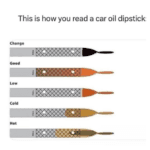
Fresh oil is amber and transparent. Over time, it turns dark brown or black. Dark oil isn’t automatically bad, but thick, gritty oil is. How to check:
- Park on level ground
- Turn the engine off and wait 5–10 minutes
- Pull dipstick
- Wipe clean and reinsert
- Check color and level
If it looks muddy or feels gritty between fingers, change it.
2. Engine Noise Is Louder Than Usual
Oil cushions moving parts. When oil degrades, parts rub more directly, causing:
- Ticking sounds
- Knocking noises
- Rough idling
That extra noise is friction. And friction means wear.
3. Oil Change or Check Engine Light Is On
Most modern vehicles calculate oil life based on:
- Mileage
- Engine temperature
- Driving habits
If the oil light appears, don’t ignore it. If the red oil pressure light comes on, stop immediately.
4. You’ve Hit the Mileage Interval
Here’s a general guide:
| Oil Type | Typical Change Interval | Best For |
| Conventional Oil | 3,000–5,000 miles | Older cars |
| Synthetic Blend | 5,000–7,500 miles | Moderate driving |
| Full Synthetic | 7,500–10,000+ miles | Modern engines |
Always check your owner’s manual for exact specs.
5. You Smell Burning Oil
If you notice a burnt oil smell inside the cabin, it may mean:
- Oil is leaking
- The oil level is low
- The engine is overheating
That’s a sign you should inspect immediately.
6. Exhaust Smoke Looks Dark
Blue or dark smoke from exhaust can indicate oil burning. That’s more serious than just needing a change,e but low-quality, degraded oil can contribute.
7. It’s Been More Than 6 Months
Even if you don’t drive much, oil degrades over time. Moisture and contaminants build up. If it’s been over 6 months, it’s usually wise to change it.
My Personal Rule of Thumb
I now follow this simple system:
- Check oil once a month
- Change every 6–8 months
- Never exceed the manufacturer’s limit
It’s cheap insurance for engine longevity.
What Happens If You Skip Oil Changes?
Let’s be honest, many drivers delay oil changes. Here’s what can happen:
- Sludge buildup
- Reduced fuel economy
- Overheating
- Engine wear
- Complete engine failure
Engine replacement costs thousands. An oil change costs a fraction of that.
Synthetic vs Conventional Oil: Which Should You Choose?
Here’s a simple comparison:
| Feature | Conventional Oil | Full Synthetic Oil |
| Price | Lower | Higher |
| Longevity | Shorter | Longer |
| Engine Protection | Good | Excellent |
| Cold Start Performance | Moderate | Superior |
| Best For | Older engines | Modern engines |
In my experience, synthetic oil is worth it especially in hot climates or heavy traffic.
How Driving Habits Affect Oil Life
If you mostly:
- Drive short trips
- Sit in traffic
- Live in hot weather
- Too heavy loads
You’ll need more frequent oil changes. Highway driving is easier on oil than city driving.
DIY Oil Change vs Professional Service
Here’s a realistic breakdown:
| Factor | DIY Oil Change | Professional Service |
| Cost | $30–$60 | $60–$120 |
| Time | 45–90 minutes | 20–45 minutes |
| Tools Required | Yes | No |
| Mess Factor | Medium | None |
| Convenience | Moderate | High |
I personally do DIY when I have time, but quick service shops are convenient.
Buyer’s Guide: Choosing the Right Oil
Before buying oil, check:
1. Oil Viscosity (Very Important)
Look for numbers like:
- 5W-30
- 0W-20
- 10W-40
These must match the manufacturer’s recommendation.
2. API Certification
Look for the API seal on the bottle.
3. Climate Consideration
Cold climates → lower “W” rating
Hot climates → manufacturer-recommended thicker grade
4. Engine Age
High-mileage engines may benefit from high-mileage oil blends.
5. Budget vs Long-Term Value
Synthetic costs more upfront but lasts longer.
How To Check Oil Level Properly (Step-by-Step)
- Park on a flat surface
- Turn off the engine
- Wait 5–10 minutes
- Pull dipstick
- Wipe clean
- Reinsert fully
- Pull again
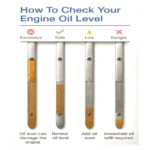
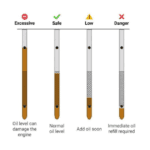
- Check the level between min and max
Never overfill. Too much oil is also harmful.
Oil Change Cost
- Conventional: $40–$70
- Synthetic Blend: $60–$90
- Full Synthetic: $80–$150
Luxury vehicles may cost more.
Can You Go 10,000 Miles Without Changing Oil?
Some modern vehicles allow it with full synthetic oil. But I personally prefer not pushing it to the maximum. Preventive maintenance always costs less than repairs.
How Long Does An Oil Change Take?
- Quick shop: 20–30 minutes
- DIY: 1 hour average
Simple, fast, essential.
Read More: What Is An AC Belt In A Car
FAQs: How To Know If You Need A Oil Change
Q1: Can I just add oil instead of changing it?
No. Adding oil doesn’t remove contaminants.
Q2: Is dark oil always bad?
Not necessarily, ly but thick, dirty oil should be changed.
Q3: How often should I check oil?
Once a month is ideal.
Q4: Does synthetic oil really last longer?
Yes, it resists breakdown better.
Q5: What happens if oil runs too low?
Engine damage can occur quickly.
Q6: Should I change oil based on time or mileage?
Whichever comes first.
Q7: Can low oil cause overheating?
Yes, because oil helps regulate temperature.
Q8: Is it bad to change oil too often?
Not harmful, just more expensive.
Final Thoughts: Don’t Wait for Warning Signs
If there’s one thing I’ve learned, it’s this: Oil changes are the cheapest way to protect your engine. Most engines fail due to neglected maintenance, not sudden breakdowns.
Check your oil.
Follow intervals.
Don’t ignore warning signs.
A simple oil change today can save you thousands tomorrow.