Checking your car’s oil level is one of those small habits that can save you thousands of dollars. I learned this the hard way. Years ago, I ignored a faint engine noise for weeks.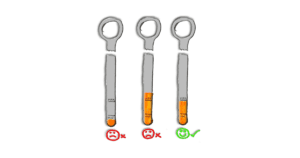 When I finally checked the oil dipstick, it was almost dry. That simple 2-minute check could have prevented a costly repair. If you’ve ever wondered:
- How to check the car oil level correctly?
- Should the engine be hot or cold?
- How often should you check oil?
- What does the dipstick actually mean?
You’re in the right place.
Why Checking Engine Oil Is So Important
Engine oil is the lifeblood of your vehicle. It:
- Lubricates moving engine parts
- Reduces friction and heat
- Prevents metal-to-metal contact
- Cleans dirt and sludge
- Protects against corrosion
Without enough oil, your engine can overheat and fail. Modern cars like the Toyota Corolla or Honda Civic still rely heavily on proper oil levels, even with advanced engineering.
No oil = no engine.
When Should You Check Your Car Oil Level?
Best Practice:
- Check once every 2–4 weeks
- Check before a long road trip
- Check if the dashboard oil light turns on
- Check if the engine sounds louder than usual
Even brands like Ford and Chevrolet recommend routine oil monitoring in their owner manuals.
Step-By-Step: How To Check Car Oil Level Properly
This takes about 3–5 minutes.
Step 1: Park on Level Ground
Oil reading must be accurate. Uneven ground gives false readings.
Step 2: Turn Off the Engine
Let the engine cool for 5–10 minutes. Checking the hot oil can:
- Give an inaccurate reading
- Cause burns
Step 3: Open the Hood
Find the hood release inside the cabin.
Step 4: Locate the Dipstick
Usually has:
- Yellow or orange handle
- Marked with an oil symbol
Step 5: Pull Out the Dipstick
Wipe it clean with a paper towel.
Step 6: Reinsert Fully
Push the dipstick all the way back in.
Step 7: Pull Out Again and Check Level
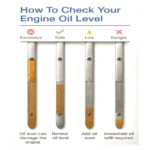
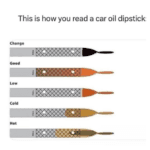
Look at the oil mark. You’ll see:
- MIN line
- MAX line
- Crosshatched area
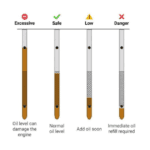
Oil should be between MIN and MAX.
How To Read the Dipstick (Explained)
Oil Level Positions Meaning
| Oil Level | What It Means | Action Required |
| Above MAX | Overfilled | Drain excess oil |
| At MAX | Perfect | No action |
| Middle | Safe | Monitor |
| Near MIN | Low | Add oil soon |
| Below MIN | Dangerous | Add oil immediately |
What Should Oil Look Like?
Healthy oil:
- Amber or light brown
- Smooth texture
Bad oil:
- Very dark black
- Thick or gritty
- Milky (coolant contamination)
If oil appears milky, it may indicate serious issues such as head gasket failure.
Different Types of Engine Oil (Comparison Table)
Choosing the right oil matters.
| Oil Type | Best For | Price | Performance | Oil Change Interval |
| Conventional Oil | Older cars | Low | Basic | 3,000–5,000 miles |
| Synthetic Blend | Mid-range vehicles | Medium | Better protection | 5,000–7,500 miles |
| Full Synthetic | Modern engines | Higher | Excellent protection | 7,500–10,000+ miles |
| High Mileage Oil | Cars over 75k miles | Medium | Reduces leaks | 5,000–7,500 miles |
Brands like Mobil, Castrol, and Valvoline offer reliable full synthetic options.
Should You Check Oil Hot or Cold?
Best Answer: Warm but not hot. Ideal method:
- Let the engine run for 2–3 minutes
- Turn off
- Wait 5 minutes
- Check oil
This ensures oil has circulated but drained back to the pan.
Common Mistakes When Checking Oil
- Not wiping the dipstick first
- Checking on a slope
- Checking immediately after turning off the engine
- Using the wrong oil type
- Overfilling oil
Overfilling can cause:
- Foaming
- Oil pressure issues
- Engine damage
Buyer’s Guide: What You Need to Check & Maintain Oil
You don’t need much.
1. Engine Oil
Check the owner’s manual for:
- Recommended viscosity (e.g., 5W-30)
- Synthetic vs conventional
2. Funnel
Prevents spills.
3. Clean Cloth or Paper Towels
For wiping the dipstick.
4. Gloves (Optional)
Keeps hands clean.
5. Oil Filter (If Doing Full Change)
Brands like Bosch and K&N make quality filters.
How Much Oil Should You Add?
If oil is near MIN:
Add small amounts (half a quart at a time). Recheck after each addition. Never pour the entire bottle at once. Most engines need:
- 4 to 6 quarts total capacity
Signs Your Car Is Low On Oil
- Oil warning light
- Engine ticking noise
- Burning oil smell
- Overheating engine
- Reduced performance
If ignored, you risk engine seizure.
How Often Should You Change Oil?
General guidelines:
- Conventional: Every 3,000–5,000 miles
- Synthetic: Every 7,500–10,000 miles
Check the manual for your vehicle model.
Personal Experience: Why I Now Check Monthly
After nearly destroying my engine once, I now:
- Check oil every month
- Keep extra oil in the trunk
- Monitor for leaks
It takes less than 3 minutes and gives peace of mind.
Advanced Tip: Checking Oil Without a Dipstick
Some modern cars (especially newer models from BMW) use digital oil level sensors. You can check oil via:
- Dashboard menu
- Infotainment screen
Always follow manufacturer instructions.
Read More: What Does A Gearbox Do In A Car
FAQs: How To Check Car Oil Level
1. Can I check oil while the engine is hot?
Yes, but let it cool 5–10 minutes first.
2. How long should a car sit before checking the oil?
At least 5 minutes after shutting off the engine.
3. What happens if oil is overfilled?
Foaming, poor lubrication, and potential engine damage.
4. Can I drive with low oil?
Not recommended. It can destroy your engine.
5. Why is my oil black?
Oil naturally darkens over time. Very thick black oil may mean it’s time for a change.
6. How do I know which oil to buy?
Check the owner’s manual for:
- Viscosity rating
- API certification
7. Is synthetic oil better?
Yes, it provides better heat resistance and protection.
8. Does the oil level drop over time?
Yes, due to:
- Engine consumption
- Minor leaks
- Evaporation
Final Thoughts: A 3-Minute Habit That Saves Thousands
Learning how to check the car oil level is basic car ownership. It:
- Prevents major engine damage
- Improves performance
- Extends vehicle lifespan
- Saves money
Whether you drive daily or occasionally, oil monitoring should be routine.
It’s simple.
It’s free.
It’s powerful.
Start today.