I used to trust dashboard lights like they were gospel. Oil light on? Panic. Oil light off? Everything’s fine. That mindset almost cost me an engine. One day, my car started making a faint ticking noise. No warning lights. No check engine light.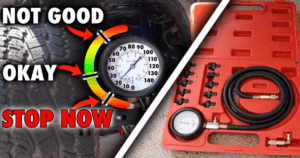 No oil pressure alert. But something felt wrong. A mechanic friend told me something that stuck: “Dashboard sensors fail. Oil pressure doesn’t lie.”
So I learned how to do a manual oil pressure test, and it completely changed how I look at engine health.
It’s simple.
It’s cheap.
It’s fast.
And it gives you real data, not guesses.
This guide will show you exactly how to do it, even if you’ve never touched an engine tool in your life.
What Is a Manual Oil Pressure Test?
A manual oil pressure test uses a mechanical gauge to directly measure oil pressure from the engine, bypassing sensors, electronics, and warning lights. You are reading real physical pressure from the oil pump.
No computer interpretation.
No electronics.
No software errors.
Just physics.
Why Manual Testing Is More Reliable Than Sensors
Dashboard sensors can fail.
Wiring can corrode.
ECUs can misread data.
Mechanical gauges don’t lie. They measure direct oil flow pressure.
Tools You’ll Need
- Manual oil pressure test kit (mechanical gauge)
- Thread adapters
- Wrench set
- Teflon tape
- Gloves
- Rag
- Safety glasses
That’s it.
Step-by-Step: How To Do a Manual Oil Pressure Test
Step 1: Warm the Engine
Start the car and let it reach operating temperature. Why?
Cold oil = higher pressure
Warm oil = real-world pressure
Step 2: Locate the Oil Pressure Sensor
Usually found:
- Near the oil filter
- On the engine block
- Near the cylinder head
Step 3: Remove the Sensor
Turn the engine off. Disconnect the battery.
Use a wrench to remove the sensor. Have a rag ready, in case oil may drip.
Step 4: Install the Mechanical Gauge
- Select the correct adapter
- Apply Teflon tape
- Thread the gauge line into the sensor port
- Tighten snug (not over-tight)
Step 5: Start the Engine
Start the car. Observe the gauge.
Step 6: Read the Pressure
Check readings at:
- Idle
- 2,000 RPM
- Warm operating temp
Step 7: Compare With Manufacturer Specs
Look up factory oil pressure specs. Compare numbers.
Normal Oil Pressure Ranges
| Engine Condition | Normal PSI |
| Cold start idle | 40–60 PSI |
| Warm idle | 20–30 PSI |
| 2,000 RPM | 40–60 PSI |
| Highway driving | 50–70 PSI |
Oil Pressure Problem Symptoms
Low-pressure signs:
- Ticking noise
- Engine knock
- Oil light flicker
- Rough idle
- Overheating
High-pressure signs:
- Oil leaks
- Seal blowouts
- Filter damage
- Excessive pressure readings
Comparison Table: Sensor vs Manual Test
| Feature | Sensor Reading | Manual Test |
| Accuracy | Medium | High |
| Reliability | Medium | Very high |
| Cost | Free (existing) | Low ($20–$50) |
| Diagnosis value | Limited | Professional-grade |
| Failure risk | High | Very low |
My Personal Experience
The first time I tested manually, the dash showed normal. The gauge showed low pressure. Turned out:
- clogged oil pickup screen
- weak oil pump
Saved the engine. That $30 gauge saved thousands.
Buyer’s Guide: Choosing a Manual Oil Pressure Test Kit
What To Look For
✔ PSI range up to 100
✔ Multiple thread adapters
✔ Braided hose
✔ Clear gauge markings
✔ Metal gauge body
Cheap vs Quality Kits
| Feature | Cheap Kit | Quality Kit |
| Hose | Rubber | Braided steel |
| Gauge face | Plastic | Glass |
| Adapters | Few | Multiple |
| Accuracy | Low | High |
| Durability | Low | High |
Common Mistakes
❌ Testing cold only
❌ Over-tightening the gauge
❌ Ignoring manufacturer specs
❌ Not sealing threads
❌ Revving a cold engine
Safety Tips
- Never test near hot exhaust
- Secure loose clothing
- Keep the gauge away from the belts
- Wear gloves
Read More: How To Check Dipstick And Engine Oil
FAQs: How To Do A Manual Oil Pressure Test
Is manual oil pressure testing hard?
No. It’s beginner-friendly and takes 20–30 minutes.
How often should I test oil pressure?
Once a year or when symptoms appear.
Can I drive with low oil pressure?
No. Shut the engine off immediately.
Can I damage the engine during the test?
No, if done properly.
Do I need professional tools?
No. Basic test kit works.
Final Thoughts
Manual oil pressure testing is one of the most powerful DIY diagnostics you can learn. It gives you:
- Real engine health data
- Early problem detection
- Confidence in your car
- Protection from silent engine damage
It’s not advanced.
It’s not complex.
It’s not risky.
It’s smart maintenance. Because real car care isn’t guessing. It’s measuring.