If you’ve ever walked out to your car on a freezing morning, turned the key, and been greeted by silence, you already understand why car batteries matter. I’ve been there more times than I care to admit.
Over the years, through my own vehicles, family cars, road‑trip disasters, and helping friends jump‑start their way out of bad purchases, I’ve learned one uncomfortable truth: Not all car batteries are created equal.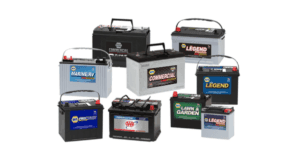 Some brands look great on the shelf, promise long warranties, and cost less up front, but end up costing you far more in stress, time, and replacement costs. This article isn’t sponsored.
No brand paid me to praise or trash them. This is purely my honest experience, shaped by real‑world use, mechanic feedback, and consumer patterns I’ve seen again and again across the U.S.
Let’s talk about the car battery brands to avoid, why they fall short, and just as important, how to choose a battery that won’t leave you stranded.
How I Judge Car Battery Brands (My Criteria)
Before calling out any brand, it’s only fair to explain how I evaluate them. These are the standards I use:
1. Real‑World Longevity
A battery rated for 4–5 years should last close to that under normal conditions, not die mysteriously at 18 months.
2. Cold Cranking Amps (CCA) Performance
If you live anywhere that experiences winter (most of the U.S.), CCA matters more than marketing buzzwords.
3. Consistency Across Units
One good battery doesn’t save a brand. Consistency matters.
4. Warranty Transparency
A long warranty is useless if it’s prorated, confusing, or nearly impossible to claim.
5. Customer Service & Replacement Hassles
If you have to fight for a replacement, that’s a red flag.
Car Battery Brands to Avoid (Based on Honest Experience)
⚠️ Important note: Even “bad” brands can occasionally produce decent batteries. These are pattern‑based observations, not one‑off failures.
1. Low‑Tier Store‑Brand Batteries (Budget Private Labels)
Why They End Up on My Avoid List
Many big‑box retailers sell ultra‑cheap, store‑label batteries that are rebranded from the lowest‑cost manufacturers. On paper, they look appealing. In reality, they’re often:
- Built with thinner lead plates
- Poorly sealed
- Inconsistent batch‑to‑batch
My Experience
I bought one of these for an older sedan, thinking, “It’s just a commuter car.” The battery failed before two years, despite a supposed 3‑year warranty. The replacement process required testing, paperwork, and a partial credit, not a true replacement.
Common Complaints
- Sudden voltage drops
- Weak starts after short trips
- Poor heat resistance
Verdict: Cheap upfront, expensive later.
2. Batteries With Overly Aggressive Warranty Marketing
The Problem
Some brands advertise 5–7 year warranties in big bold letters, but bury the truth in fine print.
What Really Happens
- First 12–24 months: full replacement
- After that: heavily prorated credit
- Often requires multiple tests
My Experience
A friend’s SUV battery failed just after the “free replacement” window. The prorated credit barely covered 30% of a new battery. He still paid out of pocket.
Red Flag: If the warranty explanation takes more than 30 seconds to understand, walk away.
3. Ultra‑Cheap Imported Batteries With Inconsistent QC
Why Quality Control Matters
Battery manufacturing relies heavily on precise chemistry and plate construction. Poor quality control leads to:
- Uneven charging
- Premature sulfation
- Internal shorting
What I’ve Seen
These batteries often:
- Test fine initially
- Degrade rapidly within months
- Fail suddenly without warning
Mechanics often recognize these brands immediately,y and not in a good way.
4. Older Technology Flooded Batteries Sold as “Premium.”
The Issue
Some brands sell outdated flooded lead‑acid designs at near‑AGM prices.
Why That’s a Problem
Modern vehicles demand:
- Higher reserve capacity
- Better vibration resistance
- Faster recharge capability
Older designs simply can’t keep up.
5. Brands With Poor Heat Resistance
Why Heat Kills Batteries Faster Than Cold
In many U.S. states (Texas, Arizona, Florida), heat is the real battery killer.
My Experience
I’ve seen certain brands consistently fail within 2 years in hot climates due to:
- Evaporation
- Plate warping
- Case swelling
If a brand doesn’t publish heat‑cycle testing info, that’s a warning sign.
Economy Rebrand Batteries (Multiple Retail Chains)
These are often the same internal battery sold under different store names.
Common Issues Observed:
- Rapid capacity loss after 12–24 months
- Weak reserve capacity
- Warranty friction at replacement time
Who They Hurt Most:
- Commuters making short trips
- Vehicles with high electrical loads
Older-Design Value Lines From Big Names
Some major brands sell both premium and budget lines.
The Catch:
- Budget lines often use older flooded designs
- Reduced lead content
- Shorter real-world lifespan
Lesson Learned:
Brand name alone does not guarantee quality.
Inconsistent Import Lines
These often appear seasonally or online-only.
Failure Pattern:
- Good initial voltage
- Sudden death without warning
- Poor heat tolerance
Deep Dive: Why Cheap Batteries Cost More Long-Term
The Lead Plate Reality
Lead is expensive. Cutting lead is the fastest way to lower cost and lifespan.
Sulfation Starts Early
Low-quality batteries sulfate faster, especially in stop-and-go driving.
Vibration Damage
Thinner cases and weaker internal supports lead to premature failure.
Real Cost Comparison Over 6 Years
| Battery Type | Purchase Cost | Avg Lifespan | Replacements Needed | Total Cost |
| Cheap Budget | $110 | 2 years | 3 | $330 |
| Mid-Range Quality | $180 | 5 years | 1 | $180 |
| Premium AGM | $240 | 6 years | 1 | $240 |
Bottom line: Cheap batteries are rarely cheaper.
Climate-Based Buying Advice (U.S.)
Hot States (TX, AZ, FL, NV)
- Prioritize heat resistance
- Avoid thin-plate economy batteries
Cold States (MN, WI, NY)
- High CCA matters more than warranty length
Mixed Climate States
- AGM offers the best balance
Signs You Bought a Bad Battery (Early Warning)
- Slower cranking within the first year
- Headlights dim at idle
- Frequent jump-start needs
- Battery tests “good” but fails overnight
Comparison Table: Batteries to Avoid vs Better Alternatives
| Feature | Batteries to Avoid | Better Battery Brands |
| Average Lifespan | 1.5–3 years | 4–6 years |
| CCA Reliability | Inconsistent | Stable & Tested |
| Warranty Clarity | Confusing, prorated | Clear & fair |
| Heat Resistance | Poor | Strong |
| Price vs Value | Cheap upfront | Better long‑term value |
Why Some Batteries Fail So Fast (The Real Reasons)
Thin Lead Plates
Cheaper batteries reduce lead content this directly shortens lifespan.
Poor Charging Compatibility
Modern vehicles have smart charging systems. Cheap batteries can’t adapt.
Sitting on Shelves Too Long
Old stock batteries sulfate before you even install them.
Buyer’s Guide: How to Choose a Car Battery That Lasts
1. Match the Battery to Your Driving Style
- Short trips? Choose AGM.
- Long highway drives? Standard lead‑acid may suffice.
2. Check the Manufacturing Date
Always buy the freshest battery possible.
3. Prioritize CCA Over Brand Name
Especially if you live in colder states.
4. Read the Warranty Fine Print
Look for full replacement periods, not just total years.
5. Ask Your Mechanic (Not the Sales Shelf)
Mechanics see failure patterns daily.
Are Expensive Batteries Always Better?
Not always, but extremely cheap ones are almost always worse. There’s a sweet spot where quality materials meet fair pricing.
My Personal Rule of Thumb
If a battery costs significantly less than others in the same group size, there’s usually a reason,n and it’s rarely a good one.
🚫 10 Car Battery Brands to Avoid (Explained Simply)
1. EverStart (Value / Maxx lines)
Whydo people avoid it
- Short real-world lifespan (often 18–30 months)
- Inconsistent quality between batches
- Weak reserve capacity for modern cars
Common complaints
- Starts fine at first, then suddenly dies
- Doesn’t handle heat well
- Warranty replacement can be a hassle
When it might be okay
- Older cars with minimal electronics
- Short-term use only
2. DieHard (Silver & entry-level models)
Why do people avoid it
- Brand reputation no longer matches performance
- Budget lines use cheaper materials
- Premium versions are decent, but most buyers don’t get those
Common complaints
- Early voltage drop
- Poor cold-weather performance
- Confusing warranty tiers
Bottom line
- You’re often paying for the name, not durability
3. Duralast (Base / Standard models)
Why do people avoid it
- Thin lead plates → shorter lifespan
- Struggles in hot and cold climates
- Base models fail faster than Gold/Platinum lines
Common complaints
- Slow cranking after a year
- Frequent jump-starts needed
- Tests “good” but won’t hold a charge
Tip
- Gold or AGM versions are better avoid the cheapest one
4. ACDelco Advantage Series
Why do people avoid it
- Advantage ≠ OEM quality
- Older flooded battery design
- Shorter lifespan than expected for the price
Common complaints
- 2–3 year failure window
- Weak performance in stop-and-go driving
- Confusing branding (people think all ACDelco is premium)
5. Interstate (Economy / Private-Label Versions)
Why do people avoid it
- Quality varies by retailer
- Some economic models are outsourced imports
- Not the same as Interstate’s premium lineup
Common complaints
- Inconsistent lifespan
- Good voltage at first, rapid decline later
Important
- Interstate premium batteries are sold; economy ones are hit-or-miss
6. Bosch Automotive Batteries (U.S. market)
Why do people avoid it
- Not a battery specialist in the U.S.
- High price for average performance
- Limited support and replacement availability
Common complaints
- Overpriced for what you get
- Not optimized for U.S. driving conditions
7. Exide (Consumer Automotive Lines)
Why do people avoid it
- Quality inconsistency across regions
- Higher failure rate in heat
- Mixed manufacturing sources
Common complaints
- Sudden failure without warning
- Swelling cases in hot climates
- Poor long-term reliability
8. Super Start (Entry-Level)
Why do people avoid it
- Rebranded budget batteries
- Short lifespan under daily use
- Weak vibration resistance
Common complaints
- Frequent warranty claims
- Poor reserve capacity
9. Ultra-Cheap Online / No-Name Brands
Why do people avoid them
- No clear manufacturer
- Weak quality control
- Warranty often useless
Common complaints
- Dies within months
- Can’t handle modern charging systems
- Hard to return or replace
Rule
- If the price looks too good, it usually is
10. Older Flooded Batteries Marketed as “Premium.”
Why do people avoid them
- Outdated technology sold at AGM prices
- Poor recharge efficiency
- Not suitable for modern vehicles
Common complaints
- Faster sulfation
- Short lifespan in stop-start cars
The Big Pattern You Should Notice
Most batteries on this list fail for three reasons:
- Thin lead plates (cheap construction)
- Poor heat resistance
- Misleading warranties
Read More: Where Are AMP Tires Manufactured | My Honest Experience
FAQs: Car Battery Brands to Avoid | My Honest Experience
Q1: How long should a car battery last?
Most quality batteries last 4–6 years under normal conditions.
Q2: Is a longer warranty always better?
No. Look at replacement terms, not just years.
Q3: Are store‑brand batteries bad?
Not all, but the cheapest tiers usually are.
Q4: AGM vs flooded, what’s better?
AGM is better for modern vehicles, stop‑start systems, and short trips.
Q5: Can heat really kill a battery faster than cold?
Yes. Heat accelerates chemical breakdown.
Final Thoughts: Learn From My Mistakes
I’ve learned the hard way that car batteries are not the place to gamble. Brands that cut corners, overpromise warranties, and rely on flashy marketing often fail when you need them most.
Avoiding the worst brands doesn’t mean overspending; it means buying smart, reading between the lines, and prioritizing reliability over hype.
If this article saves you from even one dead‑battery morning, it’s done its job. Drive safely and choose wisely.