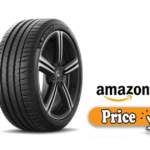
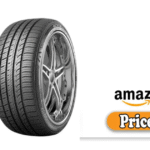
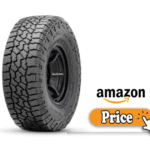
If you’ve been tire shopping lately, either online or in-store, you’ve probably noticed Hankook popping up everywhere. Big-box retailers carry them, tire specialty shops recommend them, and online marketplaces always seem to have Hankook tires for sale at pretty competitive prices.
But are they actually good? Are they worth buying? Or are they one of those brands that seem affordable at first but don’t really hold up over time? I used to be the type of person who grabbed whatever tire was on sale.
As long as it was round and black, I figured it was good enough. However, after several frustrating experiences with premature wear, noisy tread, and a memorable highway blowout (not fun), I began to take tires more seriously.
That’s when I first landed on Hankook. I’d heard of them, sure, they’re not some no-name brand, but they weren’t at the level of Michelin or Goodyear in my mind. But the price was attractive, the reviews weren’t bad, and the shop guy assured me, “Honestly, these hold up way better than people expect.”
So I leaped. This article provides a comprehensive breakdown of everything I’ve experienced since then, across multiple vehicles, various tire types, and thousands of miles.
If you’re searching for Hankook tires for sale and want a real, human, no-BS take from someone who’s driven on them through city commuting, long highway hauls, rain, occasional snow, and plenty of potholes (thanks, American roads), this review is for you.

What I Like
After years of using different Hankook models, several things really stand out that make the brand pleasantly surprising in a market full of overhyped, overpriced options.
1. Price-to-Performance Ratio
The first thing anyone notices? They’re affordable. Not “cheap,” but genuinely cost-effective. For most of their models, you get performance comparable to more premium brands, without the premium price tag. You can usually pick up a set for hundreds less than Michelin or Bridgestone.
2. Quiet Ride
This is something I appreciated more than I expected. I’m picky about tire noise; some brands hum, some roar, some whine. But Hankook, especially the Ventus and Kinergy lines, delivers a noticeably smoother, quieter ride.
3. Solid Wet Traction
Living in the U.S., you experience all kinds of weather depending on where you are. For me, wet traction is a must.
Hankook tires, particularly the newer all-season models, stick to the road better than many others in the same price range.
4. Long Tread Life
I’m not gentle on tires. I drive a mix of highway miles, rougher suburban roads, and occasional construction zones.
But my Hankooks lasted longer than expected. Mileage warranties are competitive, and in my experience, they’re not just marketing fluff.
5. Reliable Year-Round Performance
If you’re not trying to buy a bunch of different tires for each season, Hankook’s all-season lineup is genuinely well-balanced. Not performance-car insane, not off-road rugged, but dependable for everyday American driving. 👉🏿👉🏻 Check The Latest Price and Offer at Amazon 👈🏻👈🏿
What Could Be Better
No tire is perfect, and Hankook is no exception. Here’s where I think they could improve:
1. Snow Performance Varies
Some Hankook models do well in winter, but others struggle. If you’re in a heavy-snow state Minnesota, Colorado, Vermont, or upstate New York, you might want dedicated winter tires instead.
2. Sidewall Strength Isn’t Class-Leading
They’re fine for everyday use, but if you drive on rough roads, gravel, or pothole-ridden areas, the sidewalls aren’t as tough as some of the premium brands.
3. Slightly Faster Wear With Spirited Driving
If you’re the type who loves aggressive cornering or fast acceleration, Hankook tires aren’t going to hold up quite like Michelin Pilot Sports or Continental DWS. They’re made for normal drivers, not street racers.
4. Limited Options in Some Specialty Sizes
If you drive a performance car, oversized truck, or something unusual, you may find fewer Hankook options available compared to the big American or European tire brands.
My Personal Experience
I’ve used Hankook tires across three different vehicles: a compact sedan, a midsize crossover, and a full-size truck. Here’s how each one performed.
Compact Sedan – Ventus V2 Concept2
This tire exceeded my expectations. It felt responsive, cornered well, and stayed quiet even at higher speeds. For city and suburban driving, it’s fantastic.
Crossover SUV – Kinergy GT
On my crossover, these tires balanced comfort and control. Wet traction was impressive, and the ride felt smoother than the stock tires that came with the vehicle.
Full-Size Truck – Dynapro AT2
This was the biggest surprise. I expected a budget-friendly all-terrain tire to be loud or rough, but the Dynapro AT2 was shockingly quiet for a truck tire. Good grip, decent off-road ability, and great longevity.
Collectively, these experiences shaped my overall opinion: Hankook is a trustworthy brand that performs above its price point.
Design
Hankook has stepped up its design game in the past decade. Their tires don’t look generic anymore. Tread patterns are modern, functional, and often mimic higher-end competitors.
1. Tread Patterns
You’ll see:
- Asymmetrical designs for better cornering
- Wide grooves for water evacuation
- Multi-directional siping for improved traction
These aren’t gimmicks on the road; they actually make a noticeable difference.
2. Sidewall Aesthetics
I know aesthetics shouldn’t matter, but they do. Hankook’s newer lines look sharp, sporty, and clean. They don’t scream “budget tire.”
3. Rubber Compounds
The company uses silica-enhanced compounds that help with:
- Wet grip
- Fuel efficiency
- Longevity
These compounds feel similar to what you’d find in pricier brands.
Performance
Let’s break performance down into the categories that matter most for U.S. drivers.
1. Dry Traction
On dry pavement, Hankook tires perform extremely well. Acceleration is confident, braking is predictable, and cornering feels stable.
2. Wet Traction
This is where they shine. Hankook tires grip better in the rain than most competitors in their price range. Hydroplaning resistance is solid.
3. Snow & Ice
This varies heavily by model. All-season tires can handle light snow, but if you live in a freezing state, consider Hankook’s winter-specific lineup (like the Winter i*cept series).
4. Comfort
Ride comfort is one of Hankook’s strongest categories. Whether on rough roads or highways, they absorb bumps surprisingly well.
5. Noise Level
If you hate droning road noise, Hankook is a great choice. Their noise-canceling tread technology actually makes a difference.
6. Fuel Efficiency
Hankook all-season tires tend to be lightweight and low rolling resistance, which slightly boosts MPG. Don’t expect miracles, but every bit helps.
Build Quality
Hankook used to be considered “mid-tier,” but their manufacturing quality has improved dramatically. Their facilities in the U.S., Korea, and Europe follow strict standards.
1. Consistency
Over the past few years, every set I’ve purchased has been perfectly balanced with minimal weight needed. That’s a sign of good manufacturing.
2. Wear Patterns
Wear is even and predictable, no weird bald spots or cupping, as long as you maintain proper alignment.
3. Sidewall Strength
As mentioned earlier, I wouldn’t call it exceptional, but it’s adequate for daily driving. The AT models have stronger sidewalls.
4. Temperature Resistance
They hold up well in hot climates Arizona, Texas, and Florida, without softening too quickly.
Alternative Option
If you’re considering Hankook but want to compare them to alternatives in the same price category, here are the closest competitors:
1. Kumho
Another solid Korean brand. Usually priced slightly lower, but Hankook tends to last longer.
2. Falken
Great performance tires for the price, but sometimes noisier.
3. Cooper Tires
American-made, dependable, slightly higher price range.
4. Toyo
Strong for trucks/SUVs but pricier than Hankook.
If you compare similar models across these brands, Hankook almost always wins on comfort and wet traction.
Final Thought
After thousands of miles and multiple vehicle types, my honest verdict is this:
Hankook tires are one of the best-value tire brands on the U.S. market today.
They’re not the most premium, nor the cheapest, but they strike the perfect balance. You get solid performance, long life, great comfort, and dependable safety without draining your wallet.
If you’re browsing online and see Hankook tires for sale, they’re absolutely worth considering. For everyday drivers, commuters, families, light truck owners, and roadtrippers, they offer everything you need and nothing you don’t.
Would I buy them again? Absolutely.
Read More: Are Kenda Tires Made In Usa | My Honest Experience
FAQs: Hankook Tires For Sale | My Honest Experience
1. Are Hankook tires of good quality?
Yes. They offer excellent quality for their price category and compete well with mid-tier and even some premium brands.
2. How long do Hankook tires usually last?
Most models last between 40,000–70,000 miles, depending on driving habits and road conditions.
3. Are Hankook tires made in the USA?
Some are. Hankook has a manufacturing plant in Tennessee, along with facilities in Korea and Europe.
4. Are Hankook tires good in the rain?
Very good. Their wet traction is one of their strongest selling points.
5. Are Hankook tires noisy?
Not at all. They’re generally quieter than competitors in the same price bracket.
6. Do Hankook tires come with a warranty?
Yes. Many models come with treadwear warranties ranging from 40k to 90k miles.
7. Are Hankook tires OK for winter driving?
Light snow, yes. Heavy winter states should consider their winter-specific models.
8. How do Hankook tires compare to Michelin?
Michelin still leads in ultimate performance and longevity, but Hankook offers a better balance of cost and everyday performance.
9. Are Hankook tires a budget brand?
They’re more “value-tier” than cheap. They focus on quality at a fair price, not bargain-basement products.
10. Should I buy Hankook tires?
If you’re looking for excellent performance for the money and don’t need top-tier premium features, yes, they’re a great choice.