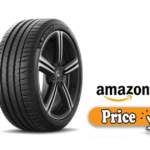
Buying tires is one of those adult decisions nobody really gets excited about until you actually need them. I’ve been there: standing in a tire shop, staring at rows of black rubber circles, wondering why prices vary so wildly and whether the “premium” option is actually worth it.
That’s how I ended up choosing Michelin. This article is Michelin Tires | My Honest Experience, written from a real-world, everyday driver’s perspective. I’m not a mechanic. I’m not sponsored. I’m just someone who drives daily highway commutes, weekend road trips, rainy back roads, and the occasional pothole-filled city street.
Over the years, I’ve owned several vehicles, sedans, SUVs, and even a light truck, and Michelin tires have found their way onto more than one of them. This review is meant to be honest, balanced, and helpful for anyone wondering whether Michelin tires live up to the hype.
If you’re looking for a polished marketing pitch, this isn’t it. If you want real pros, real cons, and real experiences, keep reading.

What I Like
Let’s start with the good stuff because there’s a reason Michelin has such a strong reputation in the U.S.
Consistent Performance Across Conditions
One of the biggest things I’ve noticed with Michelin tires is how predictable they are. Whether it’s dry pavement, heavy rain, or chilly early-morning roads, they feel stable and confident.
There’s a certain peace of mind that comes from knowing how your car will react when you brake hard or take a sudden turn. With Michelin, that confidence has been consistent.
Excellent Wet Traction
If you live anywhere that gets real rain (hello, Midwest and East Coast), wet traction matters. A lot.
Michelin tires shine here. I’ve driven through downpours that would normally make me tense up, but the tires stayed planted. Hydroplaning resistance is noticeably better than many mid-range brands I’ve used.
Smooth, Quiet Ride
Road noise is one of those things you don’t think about until it’s bad.
Michelin tires tend to be exceptionally quiet, especially on highways. On long drives, that makes a huge difference. Less vibration, less humming, less fatigue.
Long Tread Life
This is one of Michelin’s biggest selling points, and in my experience, it’s mostly accurate.
Compared to cheaper brands I’ve tried in the past, Michelin tires last noticeably longer. I’ve gotten close to the advertised mileage warranty on multiple sets, which doesn’t always happen with other brands. 👉🏿👉🏻 Check The Latest Price and Offer at Amazon 👈🏻👈🏿
What Could Be Better
No tire brand is perfect, and Michelin is no exception.
Price Tag Shock
Let’s not sugarcoat it: Michelin tires are expensive.
You’re almost always paying more upfront compared to brands like General, Hankook, or even some Goodyear models. For budget-conscious drivers, this can be a dealbreaker.
Not Always the Best for Aggressive Driving
While Michelin tires are excellent for everyday driving, some performance-focused drivers may find them slightly less aggressive compared to specialized sport tire brands.
They prioritize balance, safety, and longevity over raw grip in extreme conditions.
Availability Can Vary
Depending on your vehicle and tire size, some Michelin models can be harder to find locally, especially during peak seasons like winter or summer road trip months.
My Personal Experience
This is where Michelin Tires | My Honest Experience really comes into focus.
First Set: Daily Commuter Sedan
My first Michelin set went on a midsize sedan I drove to work every day. About 40 miles round-trip, mostly highway.
The difference was immediate. The steering felt tighter, the ride smoother, and braking felt more controlled, especially in the rain.
I drove those tires for over four years, rotated them regularly, and replaced them only because tread depth finally hit the safe limit.
Second Set: Family SUV
Later, I put Michelin tires on a family SUV. This vehicle saw road trips, grocery runs, school drop-offs, and some light snow.
Again, the standout features were stability and quietness. Even fully loaded with passengers and cargo, the tires never felt overwhelmed.
Winter Driving
While Michelin isn’t primarily a winter-tire brand, their all-season models handle light snow and cold temperatures better than most all-seasons I’ve used.
For severe winter conditions, I’d still recommend dedicated winter tires, but for most U.S. climates, Michelin all-seasons hold their own.
Design
Tire design isn’t just about looks, but it does matter.
Tread Pattern
Michelin uses thoughtfully engineered tread patterns that balance water evacuation, grip, and even wear. You can tell these designs are functional, not flashy.
Sidewall Construction
The sidewalls feel solid without being stiff. This contributes to ride comfort while still offering protection against minor road hazards.
Aesthetic Appeal
Let’s be honest, tires aren’t fashion accessories. But Michelin tires do have a clean, professional look that pairs well with most vehicles.
Performance
Performance is where Michelin earns its reputation.
Handling
Steering response is smooth and predictable. Whether changing lanes at highway speed or navigating tight parking lots, the tires respond consistently.
Braking
Shorter braking distances, especially in wet conditions, are noticeable. That can be the difference between a close call and an accident.
Highway Stability
At higher speeds, Michelin tires feel planted. There’s less wandering, less correction needed, and overall better control.
Build Quality
Michelin is known for high manufacturing standards, and it shows.
Materials
The rubber compounds feel durable without being overly hard. This balance helps with both comfort and longevity.
Uniformity
I’ve rarely needed excessive balancing weights with Michelin tires. That suggests strong quality control during manufacturing.
Durability
Potholes, rough roads, and long-distance driving haven’t caused premature wear or damage in my experience.
Alternative Option
While Michelin is excellent, it’s not the only good choice.
Continental
Great performance and comfort, often slightly cheaper than Michelin.
Goodyear
Widely available in the U.S. with solid all-around performance.
Bridgestone
Known for durability and strong wet-weather performance.
If the budget is tight, these brands can be good alternatives, but Michelin still leads in overall balance.
Final Thought
So, is Michelin worth it? In my opinion, yes, if you value safety, comfort, and long-term reliability.
Michelin Tires | My Honest Experience comes down to this: you pay more upfront, but you get consistency, confidence, and peace of mind in return.
They’re not flashy. They’re not the cheapest. But they’re dependable, and that matters when your tires are the only thing connecting your car to the road.
Read More: Who Makes Firestone Tires | My Honest Experience
FAQs: Michelin Tires | My Honest Experience
Are Michelin tires really worth the money?
For most drivers, yes. The longevity, safety, and comfort often justify the higher price.
How long do Michelin tires last?
With proper maintenance, many Michelin tires reach or come close to their mileage warranty.
Are Michelin tires good in the rain?
Absolutely. Wet traction is one of their strongest features.
Are Michelin tires made in the USA?
Some Michelin tires are manufactured in the U.S., while others are made globally.
Do Michelin tires improve fuel efficiency?
Many models are designed to reduce rolling resistance, which can slightly improve fuel economy.