If you own a car in the U.S., sooner or later, you’re going to deal with spare parts. Sometimes it’s routine maintenance. Sometimes it’s an unexpected breakdown on a Monday morning.
And sometimes it’s just that annoying rattle you’ve been ignoring for six months,s finally demanding attention. I’ve owned, driven, fixed, and helped friends repair everything from old beat-up sedans to newer daily drivers.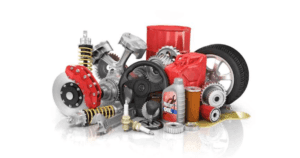 Over the years, I’ve learned one thing the hard way: knowing your car’s spare parts even at a basic level can save you thousands of dollars and a ton of stress. This guide is written for real people, not mechanics. No fluff. No jargon overload.
Just a complete, practical car spare parts list, explained in plain English, with buying tips, comparisons, and advice I wish I had when I started. Whether you’re:
- A first-time car owner
- Someonis e trying to avoid getting ripped off
- A DIY weekend mechanic
- Or just curious how your car actually works
This guide is for you.
What Are Car Spare Parts?
Car spare parts are individual components of a vehicle that can be replaced when they wear out, fail, or get damaged. Every car is made up of thousands of parts, but most owners only ever deal with a core group of commonly replaced components.
Some parts wear out naturally (like brake pads or filters). Others fail unexpectedly (like alternators or sensors). And some last for years but are expensive when they go bad (looking at you, transmission).
Understanding spare parts helps you:
- Diagnose problems earlier
- Avoid unnecessary replacements
- Compare prices confidently
- Decide between OEM and aftermarket parts
Complete Car Spare Parts List (By Category)
Let’s break this down into logical sections so it’s easy to follow.
1. Engine Spare Parts
The engine is the heart of your car. When engine parts fail, repairs can get expensive fast.
Common Engine Spare Parts
- Engine block
- Cylinder head
- Pistons
- Piston rings
- Crankshaft
- Camshaft
- Timing belt/timing chain
- Valves (intake & exhaust)
- Head gasket
- Oil pan
- Engine mounts
Wear-and-Tear Engine Parts
- Spark plugs
- Ignition coils
- Fuel injectors
- Oxygen sensors
- Mass airflow sensor (MAF)
- Throttle body
Personal take:
Spark plugs and ignition coils are some of the easiest and cheapest engine-related fixes. Replacing them on time can dramatically improve fuel economy and engine smoothness.
2. Fuel System Parts
Your fuel system delivers gas from the tank to the engine efficiently and safely.
Fuel System Spare Parts
- Fuel pump
- Fuel tank
- Fuel injectors
- Fuel filter
- Fuel pressure regulator
- Fuel lines
Tip:
A clogged fuel filter can mimic bigger engine problems. It’s a cheap part—replace it before chasing expensive diagnostics.
3. Cooling System Parts
Overheating is one of the fastest ways to destroy an engine.
Cooling System Spare Parts
- Radiator
- Radiator fan
- Water pump
- Thermostat
- Coolant reservoir
- Heater core
- Radiator hoses
Real-world advice:
If your car is overheating, don’t just top off coolant and ignore it. Water pumps and thermostats are common failures and relatively affordable compared to engine damage.
4. Transmission & Drivetrain Parts
These parts transfer power from the engine to the wheels.
Transmission Spare Parts
- Transmission assembly
- Torque converter (automatic)
- Clutch kit (manual)
- Flywheel
- Transmission control module (TCM)
- Transmission mounts
Drivetrain Parts
- Driveshaft
- CV joints
- Axles
- Differential
- Transfer case (AWD/4WD vehicles)
Cost warning:
Transmission parts are among the most expensive car spare parts. Regular fluid changes can extend their life significantly.
5. Brake System Spare Parts
Brakes are non-negotiable when it comes to safety.
Brake System Parts
- Brake pads
- Brake rotors (discs)
- Brake calipers
- Brake lines
- Brake master cylinder
- Brake booster
- ABS module
Personal opinion:
Always spend good money on brake pads and rotors. Cheap brakes squeal, wear faster, and can reduce stopping power.
6. Suspension & Steering Parts
These affect ride comfort, handling, and tire wear.
Suspension Parts
- Shock absorbers
- Struts
- Coil springs
- Control arms
- Ball joints
- Sway bar links
Steering Parts
- Steering rack
- Power steering pump
- Tie rods (inner & outer)
- Steering column
Pro tip:
If your tires wear unevenly, suspension parts or alignment are often the real problem.
7. Electrical System Parts
Modern cars rely heavily on electronics.
Electrical Spare Parts
- Battery
- Alternator
- Starter motor
- Fuses
- Relays
- Wiring harness
Sensors & Modules
- ECU (Engine Control Unit)
- Crankshaft position sensor
- Camshaft sensor
- ABS sensors
- TPMS sensors
Reality check:
Electrical problems are the hardest to diagnose. Always test before replacing parts blindly.
8. Exhaust System Parts
The exhaust system manages emissions and noise.
Exhaust Spare Parts
- Exhaust manifold
- Catalytic converter
- Oxygen sensors
- Muffler
- Resonator
- Exhaust pipes
Heads-up:
Catalytic converters are expensive and commonly stolen. Aftermarket options can save money, but must meet emissions laws.
9. Body & Exterior Parts
These affect appearance and safety.
Exterior Spare Parts
- Bumpers
- Fenders
- Hood
- Trunk lid
- Doors
- Side mirrors
- Windshield
- Headlights & taillights
Insurance tip:
Many body parts are cheaper to use or refurbished, especially for older vehicles.
10. Interior & Comfort Parts
These don’t stop your car, but they affect daily comfort.
Interior Spare Parts
- Seats
- Seat belts
- Dashboard components
- Steering wheel
- Center console
Climate Control Parts
- AC compressor
- Condenser
- Evaporator
- Cabin air filter
- Blower motor
OEM vs Aftermarket vs Used Parts (Comparison Table)
| Feature | OEM Parts | Aftermarket Parts | Used/Reconditioned |
| Quality | Highest | Varies | Varies |
| Price | Expensive | Affordable | Cheapest |
| Fitment | Perfect | Usually good | Depends |
| Warranty | Manufacturer-backed | Brand-dependent | Limited or none |
| Best For | Newer cars | Most repairs | Older vehicles |
My honest take:
For most people, quality aftermarket parts are the sweet spot—especially from trusted brands.
Buyer’s Guide: How to Choose the Right Car Spare Parts
1. Know Your Car Details
Always have:
- VIN
- Make, model, year
- Engine size
2. Prioritize Safety-Critical Parts
Never cheap out on:
- Brakes
- Tires
- Suspension components
3. OEM Isn’t Always Better
Some aftermarket brands make OEM parts for manufacturers, just without the logo markup.
4. Check Warranty & Return Policies
Especially important for:
- Electronics
- Sensors
- Major components
5. Avoid “Too Good to Be True” Deals
Extremely cheap parts often mean:
- Poor materials
- Short lifespan
- Fitment issues
Common Car Spare Parts Everyone Should Keep
- Engine oil
- Oil filter
- Air filter
- Cabin air filter
- Wiper blades
- Brake fluid
- Coolant
Keeping these on hand can save emergency trips and downtime.
Read More: Andery Car Phone Holder For Magsafe | My Honest Experience
FAQs: Car Spare Parts List
What are the most commonly replaced car spare parts?
Brake pads, oil filters, air filters, spark plugs, batteries, and tires.
Are aftermarket car parts reliable?
Yes, if you buy from reputable brands. Many perform as well as OEM parts.
How do I know if a spare part fits my car?
Use your VIN or vehicle compatibility tools on trusted auto parts websites.
Is it okay to use used car spare parts?
Yes, for body parts and non-wear components. Avoid used brakes and safety items.
How often should I replace car spare parts?
It depends on the part, driving habits, and environment. Follow maintenance schedules and watch for symptoms.
Final Thoughts: Why Knowing Car Spare Parts Matters
You don’t need to be a mechanic to be a smart car owner. Understanding car spare parts gives you control over costs, safety, and decisions. It helps you talk confidently with repair shops and avoid unnecessary replacements.
Cars are expensive enough already. Knowledge is how you keep them affordable.