When it comes to choosing tires, drivers face one of the most important decisions about their vehicle’s safety, comfort, and performance. Tires are the only part of your car that actually touches the road, so the brand you choose matters.
Among the world’s most respected tire manufacturers, Continental Tires stands out for its German engineering, reputation for innovation, and trusted performance across countless vehicle types.
Whether you’re driving a compact sedan, an SUV, a luxury car, or even a commercial truck, Continental has likely designed a tire for your needs. But a common question many drivers ask is: Who sells Continental tires?
The answer isn’t as simple as pointing to a single store, because Continental is a global brand with multiple sales channels. You can find them at authorized dealerships, online retailers, brick‑and‑mortar auto shops, and sometimes even at warehouse clubs and general retailers.
This article will not only answer that question but also dive deep into what makes Continental tires unique, what’s great about them, what could be better, my own personal experience with the brand, and how they compare to alternatives.
By the end of this 5,000‑word guide, you’ll have a clear understanding of whether Continental is the right choice for you, and exactly where you can buy them with confidence.

What I Like
One of the first things that stands out about Continental tires is the sheer balance between performance and comfort.
Unlike some brands that excel only in one category (like long tread life but noisy ride, or soft ride but weak handling), Continental manages to deliver a package that feels well‑rounded.
- Safety First: Continental is renowned for its emphasis on safety. Independent tire tests frequently place Continental near the top in wet braking distance, aquaplaning resistance, and cornering stability. Their wet traction technology, especially with silica‑based tread compounds, ensures confidence when roads are slippery.
- Innovative Features: The brand has pioneered several tire technologies, such as ContiSeal (which self‑seals small punctures) and ContiSilent (designed to reduce road noise). These innovations reflect a company that isn’t content with “good enough.”
- Comfort and Quietness: A major plus is how quiet Continental tires tend to be. Driving long highway stretches feels less fatiguing thanks to reduced cabin noise.
- Wide Range of Options: From high‑performance summer tires to rugged all‑terrain truck tires, Continental covers nearly every vehicle type and driving condition. Their tire catalog is extensive.
- Global Availability: No matter where you are, Continental tires are usually not hard to find. If you’ve wondered who sells Continental tires in your area, chances are multiple outlets do, both online and offline.
What Could Be Better
As much as I admire Continental, no brand is perfect. Here are a few areas where Continental could improve:
- Price Point: Continental tires tend to fall on the premium side of the market. While you often get what you pay for, budget‑conscious drivers may hesitate when Michelin, Bridgestone, or even newer Asian brands offer slightly cheaper alternatives.
- Limited Stock in Smaller Markets: In certain regions (especially rural areas), Continental tires may not be stocked as widely as Goodyear or Firestone. This can make it harder for drivers who don’t want to wait for shipping.
- Tread Life Variability: Some models, particularly ultra‑high‑performance tires, don’t always deliver the longest tread life. Drivers who cover high annual mileage may notice faster wear compared to touring‑focused brands.
- Warranty Clarity: While Continental does offer warranties, its terms can be less generous compared to competitors like Michelin, which offers mileage warranties across most models.
In short, Continental does a lot of things right but still leaves room for refinement, especially when it comes to accessibility and long‑life guarantees.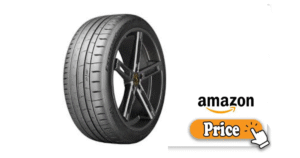 👉🏿👉🏻 Check the Latest Price and Offer at Amazon 👈🏻👈🏿
My Personal Experience
I’ll never forget the first time I switched to Continental tires. Living in an area with unpredictable weather, sunny mornings, afternoon rain showers, and the occasional winter freeze, I needed a tire that could handle it all.
My first set was the Continental ExtremeContact DWS series, marketed as an ultra‑high‑performance all‑season tire. What impressed me immediately was the way my car’s handling transformed.
On dry pavement, cornering felt sharper, steering more responsive. But the real revelation came during a heavy rainstorm. I remember cruising down the highway at 65 mph and suddenly hitting a patch of standing water.
Instead of the unsettling hydroplaning I’d felt with my previous tires, the Continentals sliced right through, keeping me in control. Later, when winter rolled around, the same tires managed light snow conditions with more confidence than expected for an all‑season set.
Sure, they weren’t a replacement for dedicated winter tires, but for a mild climate, they were more than capable. The other thing I noticed was the ride comfort.
Road noise dropped significantly compared to my old set of mid‑tier tires. Long trips felt quieter, and fatigue from constant cabin drone was reduced. This is where Continental really shines, as they make tires that balance real‑world needs instead of chasing one extreme.
That experience made me a loyalist. Over time, I tried other models like the CrossContact LX25 for an SUV and the ContiSportContact for a sporty coupe. Each time, Continental delivered consistency.
Design
Tire design is an art and a science. Continental puts enormous effort into the engineering of tread patterns, sidewall stiffness, and compound chemistry. Here’s what sets them apart:
- Tread Compounds: Continental uses silica‑enriched compounds to enhance wet traction without compromising tread life. These compounds also optimize rolling resistance, which can improve fuel economy.
- Tread Patterns: Their asymmetric tread designs allow different parts of the tire to handle different tasks. For example, the outer shoulders are optimized for cornering grip, while inner channels excel at water evacuation.
- Noise‑Reduction Tech: Many models feature variable pitch tread blocks, designed to scatter sound waves instead of amplifying them, which translates to quieter rides.
- Sidewall Engineering: By reinforcing sidewalls, Continental improves stability at high speeds and reduces flex during cornering.
- Eco‑Focus: Continental has also invested in sustainability, experimenting with alternative materials like dandelion rubber and renewable oils. This reflects their long‑term commitment to eco‑friendly mobility.
Overall, the design ethos is clear: create tires that offer safety, efficiency, and comfort, all in one package.
Performance
Performance is where Continental really earns its reputation. Independent tire testing organizations like Tire Rack, ADAC, and AutoBild often rank Continental among the top brands. Here’s how they perform across different conditions:
- Dry Performance: Handling and cornering stability are excellent. Sporty models like the ContiSportContact deliver razor‑sharp responsiveness.
- Wet Performance: Perhaps their strongest suit. Continental’s braking distances on wet roads are consistently shorter than many rivals.
- Snow/Ice Performance: Their dedicated winter tires (like the VikingContact series) provide solid grip. All‑season models perform decently in light snow but aren’t substitutes for true winter tires.
- Noise and Comfort: Consistently above average. Continental’s use of sound‑dampening technology makes it popular among luxury automakers.
- Longevity: Touring models like the TrueContact Tour are known for impressive tread life, though high‑performance variants may wear faster.
- Fuel Efficiency: Many Continental tires are designed with low rolling resistance, which helps improve MPG, a bonus for eco‑conscious drivers.
In short, performance isn’t just about one area. Continental scores highly across multiple categories, which explains why automakers like BMW, Audi, and Mercedes frequently use Continental as original equipment.
Build Quality
A tire’s build quality determines how well it handles abuse, from potholes to long highway miles. Continental has a strong reputation here, too:
- German Engineering: With roots in Hanover, Germany, Continental embodies precision. Their R&D centers use advanced simulation and testing to ensure every tire meets strict standards.
- Rigorous Testing: Continental tests its tires in real‑world environments, snow tracks in Scandinavia, desert heat in the Middle East, and wet proving grounds in Germany.
- Materials: High‑quality rubber, reinforced belts, and strong bead construction give Continental tires a robust build that resists deformation.
- OEM Trust: The fact that global automakers trust Continental as original equipment says a lot about build consistency.
- Sustainability Focus: Build quality also includes environmental impact. Continental is investing in sustainable rubber sources and aiming for carbon‑neutral production by 2050.
For everyday drivers, this build quality translates into peace of mind. You know the tire can handle whatever the road throws at it.
Alternative Option
While Continental is a top choice, it’s worth considering alternatives:
- Michelin: Known for long tread life and comfort. Often priced slightly higher than Continental, but excellent in almost every category.
- Bridgestone: Strong in touring and run‑flat technology. Good choice for those seeking durability.
- Goodyear: A reliable American brand with wide availability. Known for innovation in all‑terrain and off‑road tires.
- Pirelli: Popular in performance segments. If you own a sports car, Pirelli is a common alternative.
- Budget Brands (Nexen, Kumho, Hankook): These offer good value for the money, though they may not match Continental in refinement or wet braking.
The choice comes down to priorities. If you want balanced performance with a strong safety record, Continental remains a strong contender. If your budget is tighter, a brand like Kumho or Hankook may suffice.
Final Thought
So, who sells Continental tires? The short answer: plenty of retailers worldwide. In the U.S., you’ll find them at Discount Tire, Tire Rack, Walmart, Pep Boys, and local tire shops. Internationally, Continental’s official dealer locator is the best place to start.
Continental isn’t just about making tires; it’s about ensuring safety, comfort, and confidence. While their premium pricing might not suit every budget, their balance of innovation and dependability makes them worth serious consideration.
Read More: Where Are Kenda Tires Made
FAQs: Who Sells Continental Tires | My Honest Review
Q1. Where can I buy Continental tires near me?
Use the Continental dealer locator to find local authorized sellers.
Q2. Can I buy Continental tires online?
Yes, from sites like Tire Rack, Discount Tire, Walmart, Amazon, and more.
Q3. Do auto service centers sell Continental tires?
Yes. Chains like Pep Boys, Discount Tire, and Firestone Complete Auto Care carry them.
Q4. Are Continental tires more expensive than other brands?
They are premium-priced, but frequent rebates and promotions help reduce costs.
Q5. Are Continental tires original equipment on new cars?
Yes. Many luxury and mainstream brands use Continental as OEM equipment.
Q6. Are they good for winter driving?
Yes, especially their VikingContact winter line. All-season tires handle light snow but are not replacements for dedicated snow tires.
Q7. Can I trust Continental’s quality if I buy online?
Absolutely, as long as you buy from authorized retailers or reputable platforms.
Q8. Do Continental tires come with warranties?
Yes. Coverage varies by model but typically includes limited treadwear and workmanship guarantees.
Q9. Are Continental tires eco-friendly?
Continental is investing in eco-friendly materials and aims for sustainable, carbon-neutral production.
Q10. Who sells Continental tires internationally?
They’re available worldwide, from Europe to Asia to Latin America. Local dealers and major chains often carry them.