If your Ford is showing hard starting, poor acceleration, engine hesitation, or a check engine light with codes like P0191, P0192, or P0193, there’s a good chance the fuel rail pressure (FRP) sensor may be the culprit.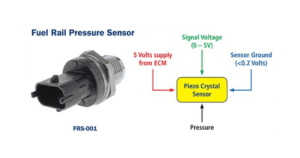 I recently helped diagnose a friend’s Ford F-150 that would randomly lose power while towing. After hours of checking fuel pumps and injectors, the issue turned out to be a failing fuel rail pressure sensor. It was a relatively inexpensive fix, but locating the sensor was the first challenge.
This guide explains exactly where the fuel rail pressure sensor is located on various Ford engines, how to identify it, and whether replacing it yourself is worth the effort.
What Is a Fuel Rail Pressure Sensor?
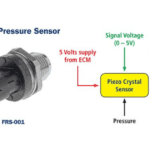
The fuel rail pressure sensor monitors the fuel pressure inside the fuel rail and sends this information to the engine control module (ECM). The ECM then adjusts fuel delivery accordingly. Without accurate readings, your engine may:
- Start poorly
- Run rich or lean
- Experience reduced power
- Trigger limp mode
- Illuminate the Check Engine Light
Think of it as the fuel system’s pressure gauge that constantly communicates with the computer.
Where Is the Ford Fuel Rail Pressure Sensor Located?
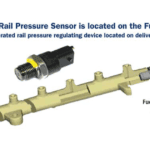
In most Ford vehicles, the fuel rail pressure sensor is mounted directly onto the fuel rail, usually near the intake manifold. However, the exact location varies depending on engine type.
Common Ford Sensor Locations
| Ford Engine | Fuel Rail Pressure Sensor Location | Accessibility |
| 3.5L EcoBoost | Driver’s side fuel rail near the intake manifold | Moderate |
| 2.7L EcoBoost | Rear section of high-pressure fuel rail | Difficult |
| 5.0L Coyote V8 | Passenger side fuel rail | Easy |
| 6.7L Power Stroke Diesel | High-pressure fuel rail on engine valley | Moderate |
| 3.0L Power Stroke | Top rear of engine near rail assembly | Difficult |
| 2.0L EcoBoost | Front side of fuel rail under engine cover | Easy |
Ford F-150 Fuel Rail Pressure Sensor Location
The Ford F-150 is one of the most searched models regarding FRP sensor replacement.
3.5L EcoBoost
The sensor is generally located:
- Remove the decorative engine cover.
- Look on the driver’s side fuel rail.
- Find a small sensor with an electrical connector and a threaded body.
Access is relatively straightforward compared with many modern turbocharged engines.
5.0L V8
The sensor sits directly on the fuel rail and is usually visible after removing the engine cover.
In my experience, the V8 layout is one of the easiest Ford engines to work on.
Ford Escape Fuel Rail Pressure Sensor Location
For the 1.5L and 2.0L EcoBoost engines:
- Remove the top plastic engine cover.
- Locate the fuel rail near the intake manifold.
- The sensor is mounted directly into the rail with a three-wire connector.
Because of tighter packaging, reaching the connector may require long pliers.
Ford Focus Fuel Rail Pressure Sensor Location
The Ford Focus, especially turbocharged EcoBoost models, generally places the sensor:
- Near the rear section of the engine
- Attached to the high-pressure fuel rail
- Partially hidden beneath intake components
This location can be frustrating for first-time DIY mechanics.
Symptoms of a Bad Ford Fuel Rail Pressure Sensor
Many people replace fuel pumps unnecessarily because FRP sensor symptoms often mimic pump failures. Here are the most common warning signs.
| Symptom | Possible Cause |
| Check Engine Light | Incorrect pressure readings |
| Hard Starting | Fuel pressure data mismatch |
| Rough Idle | Improper fuel mixture |
| Engine Stalling | Sensor signal interruption |
| Reduced Power | ECM enters protection mode |
| Poor Fuel Economy | Rich fuel mixture |
| Hesitation During Acceleration | Pressure regulation errors |
Common Diagnostic Trouble Codes
If you scan your Ford and see these codes, inspect the fuel rail pressure sensor first.
| Code | Description |
| P0190 | Fuel Rail Pressure Sensor Circuit Malfunction |
| P0191 | Range/Performance Problem |
| P0192 | Low Input Signal |
| P0193 | High Input Signal |
| P0087 | Fuel Rail Pressure Too Low |
| P0088 | Fuel Rail Pressure Too High |
How to Identify the Sensor
The fuel rail pressure sensor usually has:
- A small metal threaded body
- A three-pin electrical connector
- Direct mounting on the fuel rail
- Black plastic housing
Many owners mistake it for:
- Fuel injectors
- MAP sensor
- Fuel pressure regulator
A quick way to identify it is to follow the fuel rail itself and look for the only electrical sensor mounted directly on it.
Replacing the Fuel Rail Pressure Sensor: Personal Experience
I’ve replaced several Ford sensors over the years, particularly on EcoBoost engines. The actual replacement process is usually simpler than expected:
- Disconnect battery.
- Relieve fuel pressure.
- Remove the electrical connector.
- Unscrew the sensor.
- Install a new sensor.
- Clear trouble codes.
The hardest part is often simply reaching the sensor. On turbocharged engines, cramped engine bays can easily turn a 20-minute job into a two-hour project.
OEM vs Aftermarket Fuel Rail Pressure Sensors
Choosing the right replacement sensor matters more than many people realize.
| Feature | OEM Motorcraft Sensor | Aftermarket Sensor |
| Fitment Accuracy | Excellent | Varies |
| Reliability | Excellent | Moderate |
| Price | Higher | Lower |
| Calibration | Factory Correct | Sometimes Inconsistent |
| Warranty Support | Better | Depends on the brand |
| Diagnostic Issues | Rare | More Common |
Personally, I strongly prefer OEM sensors for Ford vehicles because incorrect calibration can create persistent fuel pressure codes.
Buyer’s Guide: Choosing the Right Ford Fuel Rail Pressure Sensor
Before purchasing a replacement sensor, consider the following factors.
1. Verify Engine Size
Ford uses different sensors for:
- 2.0L EcoBoost
- 2.7L EcoBoost
- 3.5L EcoBoost
- 5.0L V8
- 6.7L Power Stroke
Even the same model year can use multiple sensor designs.
2. Check OEM Part Numbers
Cross-reference:
- VIN
- Engine code
- Existing sensor part number
This step avoids ordering the wrong component.
3. Choose Quality Brands
Recommended brands include:
- Motorcraft
- Bosch
- Denso
- Delphi
Cheap generic sensors can cause inaccurate pressure readings.
4. Consider Installation Difficulty
Some Ford engines provide easy access, while others may require removing:
- Intake tubing
- Engine covers
- Throttle components
- Turbo piping
Knowing this beforehand can save frustration.
5. Read Diagnostic Codes First
Never replace the sensor solely based on symptoms. The issue could also involve:
- Fuel pump
- Wiring harness
- ECM problems
- Fuel pressure regulator
- Clogged fuel filter
A simple OBD-II scan can prevent unnecessary expenses.
Can You Drive With a Bad Fuel Rail Pressure Sensor?
Technically, yes, but it’s not recommended. A failing sensor may cause:
- Sudden stalling
- Reduced engine performance
- Increased fuel consumption
- Difficulty starting
- Potential catalytic converter damage
If your vehicle enters limp mode, driving can become unsafe.
Average Replacement Cost
Costs vary depending on the model and labor rates.
| Service | Estimated Cost |
| Sensor Only | $50–$180 |
| OEM Sensor | $90–$220 |
| Professional Labor | $100–$250 |
| Total Replacement | $150–$450 |
DIY replacement can significantly reduce costs.
Why Ford Fuel Rail Pressure Sensors Fail
After years of ownership, sensors may fail because of:
Heat Exposure
Turbocharged engines generate extreme temperatures.
Vibration
Constant engine vibration slowly damages electronics.
Fuel Contamination
Dirty fuel can affect sensor performance.
Wiring Issues
Corroded connectors often mimic sensor failure.
Signs You Should Replace It Immediately
Do not ignore these symptoms:
- The vehicle stalls while driving
- Strong fuel smell
- Flashing check engine light
- Severe loss of power
- Repeated fuel pressure codes
Early replacement often prevents more expensive repairs.
Read More: How To Start A Car With A Bad Fuel Pump Relay
FAQs: Ford Where Is The Fuel Rail Pressure Sensor Located
Where is the fuel rail pressure sensor on a Ford F-150?
It is usually mounted directly on the fuel rail. On the 3.5L EcoBoost, it is commonly found on the driver’s side near the intake manifold.
Can a bad fuel rail pressure sensor cause a no-start condition?
Yes. Incorrect pressure readings can prevent proper fuel delivery and lead to hard-starting or complete no-start situations.
What code indicates a bad fuel rail pressure sensor?
The most common codes are:
- P0190
- P0191
- P0192
- P0193
Is replacing the fuel rail pressure sensor difficult?
For many Ford models, it is a moderate DIY repair requiring basic hand tools. Some turbocharged engines have tighter access.
How long does a fuel rail pressure sensor last?
Most sensors last between 100,000 and 150,000 miles, though heat and fuel contamination may shorten their lifespan.
Can a bad fuel rail pressure sensor damage the engine?
Indirectly, yes. Incorrect fuel delivery can lead to poor combustion, excessive emissions, and possible catalytic converter damage if ignored.
Should I buy OEM or aftermarket?
OEM Motorcraft sensors generally provide the best reliability and calibration accuracy for Ford vehicles.
Do all Ford vehicles have the sensor in the same place?
No. The location varies by engine design, though it is typically mounted somewhere directly on the fuel rail.
Final Thoughts
The fuel rail pressure sensor is a small component, but it plays a massive role in how your Ford engine runs. In most Ford vehicles, you’ll find it mounted directly on the fuel rail, usually beneath the engine cover and near the intake manifold.
While access differs among EcoBoost, V8, and diesel engines, locating the sensor is generally easier once you know what you’re looking for.
From personal experience, replacing a faulty sensor can dramatically improve starting performance and eliminate frustrating intermittent issues that often get misdiagnosed as fuel pump failures.
Whenever possible, I recommend using an OEM Motorcraft replacement and confirming the exact part number using your VIN before ordering.