Absolutely, a faulty fuel pump is one of the most common reasons a vehicle refuses to start. I have personally dealt with this issue on an older sedan that suddenly cranked normally but simply wouldn’t fire up.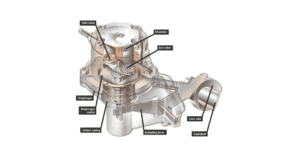 At first, I assumed it was the battery or spark plugs. After hours of troubleshooting, the culprit turned out to be a failing fuel pump. The experience taught me that a car needs three essential things to start:
- Air
- Spark
- Fuel
When the fuel pump stops doing its job, gasoline never reaches the engine, and no matter how long you crank the key, the vehicle simply won’t start.
This guide explains everything you need to know about fuel pump failures, warning signs, repair costs, and how to determine whether your fuel pump is preventing your car from starting.
What Does a Fuel Pump Do?
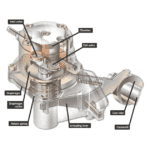
A fuel pump is responsible for moving gasoline from the fuel tank to the engine at the correct pressure. Modern vehicles typically use an electric fuel pump located inside the fuel tank. Without adequate fuel pressure:
- The injectors cannot spray fuel properly.
- The engine receives an incorrect air-fuel mixture.
- Starting becomes difficult or impossible.
Think of the fuel pump as the heart of your vehicle’s fuel system. If it stops pumping, the engine essentially becomes starved of fuel.
Can a Bad Fuel Pump Prevent a Car From Starting?
Yes. A completely failed fuel pump can cause:
- Engine cranks but won’t start
- Intermittent starting problems
- Sudden stalling followed by no-start conditions
- Long cranking before the engine fires
In many cases, the fuel pump doesn’t fail overnight. It usually gives several warning signs before completely quitting.
Common Symptoms of a Bad Fuel Pump
1. Engine Cranks but Won’t Start
This is the most obvious sign.
You turn the key and hear the engine turning over, but it never starts.
This happened to my own vehicle. The starter sounded perfectly healthy, but there was no fuel reaching the injectors.
2. Whining Noise From the Fuel Tank
A failing pump often produces a:
- High-pitched humming
- Loud whining
- Buzzing sound
Most healthy fuel pumps are nearly silent.
3. Loss of Power While Driving
A weak pump may struggle under load. Symptoms include:
- Sluggish acceleration
- Hesitation
- Poor uphill performance
4. Engine Sputtering at High Speeds
Insufficient fuel pressure causes intermittent fuel delivery, leading to:
- Jerking
- Misfires
- Rough running
5. Sudden Engine Stalling
One of the scariest symptoms is stalling while driving.
A failing pump may stop working temporarily and restart once it cools down.
6. Difficulty Starting When Hot
Some pumps work normally when cold but fail after heating up. You may notice:
- The car starts fine in the morning.
- Refuses to restart after a short trip.
Signs of a Bad Fuel Pump vs Other Problems
| Symptom | Bad Fuel Pump | Dead Battery | Bad Starter | Bad Spark Plugs |
| The engine cranks normally | Yes | No | No | Yes |
| Engine won’t start | Yes | Yes | Yes | Sometimes |
| Whining from the fuel tank | Yes | No | No | No |
| Sudden stalling | Yes | No | Rare | Sometimes |
| Long crank times | Yes | Rare | No | Yes |
| Dashboard lights work | Usually | Sometimes No | Yes | Yes |
This comparison can save hours of unnecessary repairs.
Why Do Fuel Pumps Fail?
Fuel pumps can fail for several reasons.
1. Driving on Low Fuel Frequently
This is one of the biggest causes.
Fuel cools and lubricates the pump. Running it near empty repeatedly can overheat it.
I learned this lesson the expensive way after regularly driving with the fuel light on.
2. Dirty Fuel
Contaminated gasoline can clog the pump and fuel filter.
3. Electrical Problems
Issues may include:
- Blown fuse
- Bad relay
- Damaged wiring
- Corroded connectors
4. Age and Wear
Most fuel pumps last:
100,000 to 150,000 miles
Some last much longer, while others fail earlier.
Comparison Table: Fuel Pump Symptoms and Severity
| Symptom | Severity | Immediate Repair Needed? |
| Loud whining noise | Moderate | Soon |
| Hard starting | Moderate | Yes |
| Poor acceleration | Moderate | Yes |
| Engine sputtering | High | Immediately |
| Stalling while driving | Very High | Immediately |
| Crank but no start | Critical | Immediate diagnosis |
How to Tell if the Fuel Pump Is the Problem
Listen for the Pump
Turn the ignition to the ON position without starting.
Normally, you should hear:
A soft humming sound for 2–3 seconds.
No sound could indicate:
- Bad fuel pump
- Failed relay
- Blown fuse
Check Fuel Pressure
Using a fuel pressure gauge is one of the best methods.
Low or zero pressure usually confirms a fuel delivery issue.
Use Starting Fluid
Spraying a small amount of starting fluid into the intake can help diagnose the problem. If the engine briefly starts and dies:
- Spark is present.
- Compression is present.
- Fuel delivery is likely the issue.
Scan for Error Codes
Common codes include:
- P0087
- P0230
- P0231
- P0232
However, not every bad fuel pump triggers a check engine light.
Can a Fuel Pump Fail Suddenly?
Yes. Although many pumps deteriorate gradually, some fail without warning. Typical scenarios include: The vehicle.
- E starts fine in the morning.
- Stops during an errand.
- Refuses to restart.
Heat often accelerates failure in aging pumps.
Personal Experience With Fuel Pump Failure
Several years ago, my car began taking longer to start. Occasionally, it would hesitate during acceleration. I ignored these signs because the vehicle still drove reasonably well.
One afternoon, after stopping for fuel, the engine cranked endlessly and would not start. After checking the battery, ignition system, and fuses, a mechanic measured fuel pressure and found almost none.
The fuel pump had finally failed. The repair wasn’t cheap, but looking back, the warning signs had been there for months. This experience taught me never to ignore:
- Hard starting
- Random stalling
- Unusual humming sounds
Early diagnosis can prevent inconvenient breakdowns.
Fuel Pump Replacement Cost
Prices vary depending on the vehicle.
| Vehicle Type | Estimated Cost |
| Economy Cars | $300–$700 |
| SUVs | $400–$900 |
| Luxury Vehicles | $700–$1,500+ |
| High-Performance Cars | $1,000–$2,000+ |
Labor can be significant because many vehicles require partial removal of the fuel tank.
Can You Drive With a Bad Fuel Pump?
Technically, yes,s temporarily. But it is extremely risky. A failing fuel pump can leave you stranded at any moment. You should avoid long trips if you notice symptoms like:
- Power loss
- Hard starts
- Stalling
- Loud pump noise
Buyer’s Guide: Choosing a Replacement Fuel Pump
If your fuel pump needs replacement, selecting the right part matters.
1. OEM vs Aftermarket
OEM Fuel Pumps
Pros
- Perfect fit
- High reliability
- Better durability
Cons
- More expensive
Aftermarket Pumps
Pros
- Lower cost
- Widely available
Cons
- Quality varies considerably
For daily drivers, I usually recommend sticking with reputable brands or OEM components.
2. Check Compatibility
Always verify:
- Year
- Make
- Model
- Engine size
Even slight differences can make the pump incompatible.
3. Replace Related Components
Consider replacing:
- Fuel filter
- Fuel pump relay
- Tank strainer
Doing everything at once can prevent repeat repairs.
4. Avoid Extremely Cheap Parts
Very inexpensive pumps may fail prematurely.
A low-quality fuel pump can leave you stranded again within months.
How to Extend Fuel Pump Life
Here are some habits that genuinely help.
Keep Fuel Above One-Quarter Tank
This keeps the pump cool.
Buy Fuel From Reputable Stations
Cleaner fuel reduces contamination.
Replace Fuel Filters on Schedule
Restricted filters overwork the pump.
Address Hard Starting Early
Ignoring symptoms usually leads to complete failure.
Other Problems That Mimic a Bad Fuel Pump
Before replacing the pump, check for:
- Bad crankshaft position sensor
- Failed fuel injector relay
- Clogged fuel filter
- Faulty ignition coil
- Anti-theft system issues
- Weak battery
- Defective starter
Misdiagnosis can become expensive.
Read More: Car AC Pressure Switch Bypass
FAQs: Can A Fuel Pump Cause A Car Not To Start
1. Can a bad fuel pump make a car crank but not start?
Yes. This is one of the classic symptoms of fuel pump failure. The starter works normally, but fuel never reaches the engine.
2. Will a check engine light come on for a bad fuel pump?
Sometimes. However, many failing pumps do not trigger warning lights immediately.
3. Can a fuel pump fail intermittently?
Yes. Some pumps work when cold and fail once they heat up.
4. How long does a fuel pump usually last?
Most fuel pumps last between 100,000 and 150,000 miles, though lifespan varies by driving habits and maintenance.
5. Can low fuel damage the fuel pump?
Yes. Frequently driving with very little fuel can overheat the pump and shorten its lifespan.
6. How can I test my fuel pump at home?
You can:
- Listen for the pump priming.
- Check fuses and relays.
- Measure fuel pressure.
- Use a scan tool.
7. Is replacing a fuel pump expensive?
It can be. Most repairs range from $300 to over $1,000, depending on the vehicle.
8. Can a clogged fuel filter act like a bad fuel pump?
Yes. Both problems can cause poor performance, hard starting, and loss of power.
9. Will a car start if the fuel pump relay is bad?
Usually not. A failed relay prevents power from reaching the pump.
10. Should I replace the fuel filter when replacing the pump?
Yes. Replacing both components together is generally considered good preventive maintenance and may help extend the life of the new pump.
Final Verdict: Can a Fuel Pump Cause a Car Not to Start?
Yes, without question. A failed fuel pump can absolutely prevent your car from starting because the engine cannot run without fuel pressure.
The most common warning signs include:
✔ Engine cranks but won’t start
✔ Long cranking times
✔ Stalling while driving
✔ Whining noises from the tank
✔ Loss of power and hesitation
If you notice these symptoms, diagnosing the issue early can save money and prevent being stranded unexpectedly.
In my experience, fuel pump problems often provide several warning signs before complete failure. Paying attention to those clues can make all the difference.