Modern vehicles depend heavily on sensors. Years ago, a car could survive with minimal electronics. Today, dozens of sensors constantly communicate with the engine, transmission, safety systems, fuel management, emissions equipment, and driver assistance features.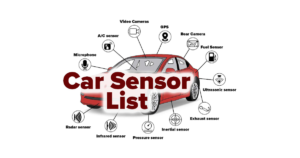 When one sensor fails, even a small component can trigger warning lights, poor fuel economy, rough driving, or complete vehicle shutdown. The frustrating part?
- Many drivers hear the word “sensor” and immediately expect expensive repairs.
- Sometimes that’s true.
- Sometimes a repair costs less than an oil change.
This guide explains real-world car sensor repair costs, common failures, average pricing, what influences repair bills, and how to avoid spending more than necessary.
Average Car Sensor Repair Costs
Most sensor repairs fall somewhere between:
$50 to $1,500+
The enormous range exists because some sensors are easy to reach while others require major labor.
Average Cost Comparison Table
| Sensor Type | Average Parts Cost | Average Labor Cost | Total Average Cost |
| Oxygen Sensor | $20–$250 | $50–$150 | $70–$400 |
| Mass Air Flow Sensor | $50–$350 | $40–$120 | $90–$470 |
| ABS Wheel Speed Sensor | $30–$300 | $50–$200 | $80–$500 |
| Fuel Rail Pressure Sensor | $50–$250 | $70–$250 | $120–$500 |
| Crankshaft Position Sensor | $40–$200 | $80–$350 | $120–$550 |
| Camshaft Position Sensor | $40–$250 | $70–$250 | $110–$500 |
| TPMS Sensor | $20–$120 | $15–$80 | $35–$200 |
| Parking Sensor | $30–$250 | $50–$250 | $80–$500 |
| Coolant Temperature Sensor | $15–$120 | $40–$150 | $55–$270 |
| Transmission Sensor | $80–$700 | $150–$800 | $230–$1,500+ |
Why Are Car Sensors So Important?
Sensors act like the nervous system of your vehicle. They constantly collect information and send data to the computer.
Without them:
- Fuel delivery becomes inaccurate
- Safety systems stop functioning properly
- Engine timing becomes unreliable
- Transmission shifting becomes rough
- Fuel economy suffers
- Emissions increase
Even one failed sensor can create multiple problems.
Common Signs You Have a Bad Sensor
Many symptoms overlap because sensors interact with multiple systems. Watch for:
Check Engine Light
The most common warning.
Reduced Fuel Economy
Incorrect readings cause poor fuel mixture.
Rough Idle
The engine struggles to calculate proper settings.
Hard Starting
Failed sensors may prevent ignition timing.
Sudden Power Loss
Computers switch into protective modes.
ABS or Stability Warnings
Safety sensors trigger dashboard lights.
Transmission Problems
Shift quality changes dramatically.
Oxygen Sensor Repair Cost
Oxygen sensors are among the most frequently replaced sensors. They measure exhaust gases and help regulate fuel mixture.
Typical costs:
- Parts: $20–$250
- Labor: $50–$150
- Total: $70–$400
My Experience
Many drivers panic after seeing a check engine light and hearing “oxygen sensor.” In reality, these repairs are often fairly affordable compared to major engine repairs.
Mass Air Flow Sensor Cost
The mass airflow sensor measures incoming air volume. Failure symptoms:
- Rough idle
- Stalling
- Poor acceleration
- Reduced MPG
Typical costs:
- Parts: $50–$350
- Labor: $40–$120
- Total: $90–$470
Sometimes cleaning fixes the issue.
ABS Sensor Repair Cost
Wheel speed sensors monitor wheel rotation. These sensors affect:
- ABS
- Traction control
- Stability control
Typical costs:
- Parts: $30–$300
- Labor: $50–$200
- Total: $80–$500
Crankshaft Sensor Replacement Cost
This sensor monitors crankshaft position. A failure may cause:
- No-start conditions
- Engine stalling
- Rough running
Average cost:
- $120–$550
Because accessibility varies greatly, labor prices differ significantly.
Fuel Pressure Sensor Repair Cost
Fuel rail pressure sensors control fuel delivery accuracy. Symptoms:
- Hard starting
- Misfires
- Poor acceleration
Average cost:
- $120–$500
Transmission Sensor Costs
These are among the most expensive sensor repairs. Reasons:
- Complex locations
- Additional programming
- High labor requirements
Average cost:
- $230–$1,500+
Factors That Change Sensor Repair Prices
Vehicle Type
Luxury cars usually cost more.
Sensor Location
Accessible sensors reduce labor.
OEM vs Aftermarket Parts
OEM:
- More expensive
- Better fit
- Higher reliability
Aftermarket:
- Lower cost
- Quality varies
Labor Rates
Repair shops vary dramatically. Dealership rates can exceed those of independent shops.
Sensor Cleaning vs Replacement
Not every sensor needs replacement.
Cleaning May Work For:
- Mass airflow sensors
- Dirty oxygen sensors
- Parking sensors
- Camera systems
Replacement Usually Required For:
- Internal failures
- Broken wiring
- Corrosion damage
- Water intrusion
Can You Drive With a Bad Sensor?
Sometimes. Sometimes not.
Usually Safe Short-Term
- TPMS sensors
- Parking sensors
- Some oxygen sensors
Risky
- Crankshaft sensors
- Camshaft sensors
- ABS sensors
- Transmission sensors
Ignoring problems may create larger repairs.
DIY Sensor Repair: Worth It?
Some sensors are beginner-friendly.
Easier DIY Jobs
- MAF sensors
- Oxygen sensors
- TPMS sensors
Harder Jobs
- Transmission sensors
- Fuel sensors
- Crank sensors
If diagnostic equipment is required, DIY becomes harder.
Ways To Reduce Car Sensor Repair Costs
Get Diagnostic Confirmation
Never replace parts based on guessing.
Compare Shops
Prices vary heavily.
Use Quality Aftermarket Parts
Good aftermarket components save money.
Replace Related Components Together
Sometimes labor overlaps.
Sensor Repair Cost Comparison: Repair Shop vs Dealership
| Repair Option | Lower Cost | Faster Service | OEM Parts | Best For |
| Independent Shop | Yes | Often | Sometimes | Budget repairs |
| Dealership | No | Sometimes | Yes | Complex repairs |
| DIY | Cheapest | Depends | Depends | Simple sensors |
Buyer’s Guide: How To Avoid Overpaying For Sensor Repairs
Buying sensor repairs is different from buying normal maintenance. Follow these guidelines.
Ask For Diagnostic Codes
You should know:
- Exact code numbers
- Which sensor failed
- Why is a replacement needed
Avoid Parts Cannon Repairs
Some shops replace multiple sensors, hoping one works. This gets expensive quickly.
Understand Labor Charges
Ask:
- How many labor hours?
- Programming required?
- Calibration required?
Request Part Options
Ask for:
- OEM pricing
- Premium aftermarket pricing
- Warranty information
Consider Vehicle Age
Older cars may justify lower-cost solutions.
Is Sensor Repair Usually Worth It?
In most cases:
Yes. Small sensor problems can create larger issues. Ignoring a $100 repair can eventually create:
- Catalytic converter damage
- Fuel economy losses
- Transmission damage
- Engine problems
Read More: Car AC Condenser Replacement Cost
FAQs: Car Sensor Repair Cost
How much does it cost to repair a car sensor?
Most repairs cost between $50 and $500, although some transmission-related sensors exceed $1,500.
Can sensors be repaired instead of replaced?
Sometimes cleaning works, but many failed sensors require replacement.
What is the cheapest sensor replacement?
TPMS sensors and coolant sensors are usually among the cheapest.
Why are sensor repairs expensive?
Labor often costs more than the sensor itself.
Can a bad sensor damage a car?
Yes. Incorrect sensor readings may create larger mechanical problems.
How long do car sensors last?
Many sensors last 50,000–150,000+ miles depending on conditions.
Will disconnecting the battery reset sensors?
Sometimes warning lights disappear temporarily, but underlying problems remain.
Can I replace sensors myself?
Some are easy DIY projects while others require professional tools and calibration.
Are aftermarket sensors reliable?
Quality varies greatly. Premium aftermarket components are usually safer choices.
How do mechanics know which sensor failed?
Diagnostic scanners identify fault codes and sensor readings.
Final Thoughts
Car sensor repair costs vary dramatically because sensors vary dramatically. A simple wheel sensor might cost under $100. A transmission sensor repair may exceed $1,000.
The biggest mistake drivers make is assuming: “It’s only a sensor.” Modern cars depend heavily on electronics. Accurate diagnosis saves money more than anything else.