If you’ve recently heard a squealing noise when stopping at a traffic light, felt vibrations through the brake pedal, or received a maintenance recommendation from your mechanic, you’ve probably asked yourself the same question I did:
How much should a brake pad replacement cost? After owning multiple vehicles over the years, from compact sedans to SUVs, I’ve learned that brake pad replacement is one of those maintenance jobs where prices can vary dramatically.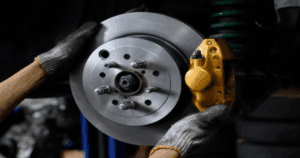 One shop may quote $150, while another recommends a $700 brake service. For many drivers, it becomes difficult to know what’s reasonable and what’s overpriced.
The good news is that brake pad replacement doesn’t have to be confusing. Understanding the factors that influence pricing can help you avoid unnecessary expenses while ensuring your vehicle remains safe on the road.
In this guide, I’ll break down average brake pad replacement costs, compare dealerships and independent repair shops, explain what affects pricing, and provide practical advice to help you make an informed decision.
Understanding Brake Pads and Why They Matter
Brake pads are one of the most critical safety components in your vehicle. Whenever you press the brake pedal, hydraulic pressure forces the brake pads against the brake rotors. The friction generated slows and eventually stops your vehicle.
Because brake pads work through friction, they naturally wear down over time. Eventually, they become too thin to operate effectively and must be replaced.
Ignoring worn brake pads can lead to:
- Longer stopping distances
- Reduced braking performance
- Damage to rotors
- Increased repair costs
- Potential safety hazards
Replacing brake pads at the right time is significantly cheaper than replacing the entire braking system.
Average Brake Pad Replacement Cost in 2026
Most drivers can expect brake pad replacement costs to fall within these ranges:
| Vehicle Type | Average Cost Per Axle | Parts | Labor |
| Compact Cars | $150 – $300 | $50 – $150 | $100 – $150 |
| Mid-Size Sedans | $200 – $400 | $75 – $200 | $125 – $200 |
| SUVs | $250 – $500 | $100 – $250 | $150 – $250 |
| Luxury Vehicles | $400 – $900+ | $200 – $500 | $200 – $400 |
| Performance Cars | $500 – $1,500+ | $300 – $1,000 | $200 – $500 |
These figures generally cover:
- New brake pads
- Installation labor
- Basic brake inspection
However, they may not include rotor resurfacing or replacement.
Brake Pad Replacement Cost Comparison
One of the biggest surprises for many vehicle owners is how much pricing differs depending on where the work is performed.
| Service Provider | Typical Cost Range | Advantages | Disadvantages |
| Dealership | $250 – $900+ | OEM parts, factory-trained technicians | Highest prices |
| Independent Repair Shop | $150 – $500 | Better value, personalized service | Quality varies |
| National Repair Chains | $180 – $600 | Convenient locations | Upselling can occur |
| Mobile Mechanics | $150 – $450 | Convenient, often lower labor rates | Limited availability |
| DIY Replacement | $50 – $250 | Lowest cost | Requires tools and experience |
In my experience, independent repair shops often offer the best balance of quality and affordability.
What Factors Affect Brake Pad Replacement Cost?
Many drivers assume brake jobs are identical across vehicles, but several factors influence final pricing.
1. Vehicle Make and Model
Luxury and performance vehicles often require premium brake components. For example:
- Economy sedan pads may cost $50
- Luxury European vehicle pads may cost $250+
- High-performance sports car pads may exceed $500
The more specialized the vehicle, the higher the repair costs typically become.
2. Brake Pad Material
Brake pads come in several different materials.
Organic Brake Pads
Pros:
- Affordable
- Quiet operation
Cons:
- Faster wear
- Less effective under heavy braking
Typical Cost:
$30–$100
Semi-Metallic Brake Pads
Pros:
- Durable
- Good heat resistance
Cons:
- Slightly noisier
Typical Cost:
$50–$150
Ceramic Brake Pads
Pros:
- Quiet
- Long-lasting
- Low dust production
Cons:
- Higher upfront cost
Typical Cost:
$100–$300
For most daily drivers, ceramic pads provide excellent value over the long term.
3. Front vs Rear Brake Pads
Front brakes generally perform about 70% of the braking work. As a result:
- Front brake pads wear faster
- Front replacements occur more frequently
- Front brake service often costs slightly more
4. Rotor Condition
Sometimes brake pad replacement alone isn’t enough.
If rotors are:
- Warped
- Scored
- Excessively worn
They may need resurfacing or replacement.
Additional rotor costs:
- Resurfacing: $15–$50 per rotor
- Replacement: $50–$300+ per rotor
Rotor replacement can double the cost of a brake job.
5. Labor Rates
Labor charges vary widely by location. Average labor rates:
- Small towns: $75–$120/hour
- Suburban areas: $100–$160/hour
- Major cities: $150–$250+/hour
A vehicle requiring two hours of labor could cost significantly more depending on location alone.
Signs You Need New Brake Pads
One of the easiest ways to save money is by replacing brake pads before they damage other components. Watch for these warning signs.
Squealing Noises
Most modern brake pads contain wear indicators. When pads become thin, they produce a high-pitched squeal to alert the driver.
Grinding Sounds
Grinding usually indicates metal-to-metal contact. At this stage:
- Brake pads may be completely worn out
- Rotor damage is likely occurring
Immediate service is recommended.
Longer Stopping Distance
If your vehicle takes longer to stop than normal, worn brake pads may be reducing braking efficiency.
Brake Warning Light
Some vehicles feature brake pad wear sensors. A dashboard warning light often indicates replacement is needed soon.
Vibrations During Braking
Vibrations can indicate:
- Worn pads
- Warped rotors
- Uneven brake wear
Professional inspection is recommended.
My Personal Experience with Brake Pad Replacement
Over the years, I’ve replaced brake pads on several vehicles. One memorable experience involved a family SUV.
A dealership quoted nearly $850 for front brakes, including pads and rotors. Wanting a second opinion, I visited a highly rated independent shop. After inspection, they determined the rotors were still within specifications and only needed resurfacing.
Final bill:
- Brake pads
- Rotor resurfacing
- Labor
Total: $320
That experience taught me the value of obtaining multiple estimates before approving repairs. Not every expensive recommendation is necessary.
Should You Replace Rotors with Brake Pads?
Many drivers hear conflicting advice regarding rotor replacement. The truth depends on the rotor condition. Replace rotors if:
- Thickness is below the manufacturer’s specifications
- Severe scoring exists
- Excessive warping occurs
- Heat cracks are present
If rotors remain within specifications, resurfacing may be sufficient. Always request measurements before authorizing replacement.
Dealership vs Independent Mechanic: Which Is Better?
Dealership Advantages
- Factory-trained technicians
- Genuine OEM parts
- Manufacturer-specific expertise
Dealership Disadvantages
- Higher labor rates
- Higher parts costs
- More expensive overall repairs
Independent Shop Advantages
- Lower labor charges
- Competitive parts pricing
- Personalized service
Independent Shop Disadvantages
- Quality varies
- Some use lower-grade components
For most routine brake pad replacements, a reputable independent mechanic often provides excellent value.
How to Save Money on Brake Pad Replacement
Get Multiple Estimates
Always compare at least three quotes. Price differences can be substantial.
Ask About Pad Brands
Premium aftermarket brands often provide quality comparable to OEM parts at lower cost.
Replace Pads Early
Waiting too long can damage:
- Rotors
- Calipers
- Hardware
Preventive maintenance is usually cheaper.
Look for Brake Service Promotions
Many repair facilities offer:
- Seasonal discounts
- Coupons
- Brake service specials
These promotions can reduce costs significantly.
Consider Quality Over Cheapest Price
The lowest quote isn’t always the best deal. Extremely cheap brake jobs may use lower-quality pads that wear quickly. Investing slightly more often results in longer service life and improved performance.
DIY Brake Pad Replacement: Is It Worth It?
Many enthusiasts replace brake pads themselves. Potential savings:
- Labor costs eliminated
- Total expense reduced by 40%–70%
However, DIY brake service requires:
- Mechanical knowledge
- Jack stands
- Torque wrench
- Proper safety procedures
For inexperienced drivers, professional installation remains the safer option.
How Long Do Brake Pads Last?
Average lifespan depends on driving habits and vehicle type. Typical ranges:
| Driving Condition | Average Lifespan |
| Highway Driving | 50,000–70,000 miles |
| Mixed Driving | 30,000–60,000 miles |
| City Driving | 20,000–40,000 miles |
| Aggressive Driving | 15,000–30,000 miles |
Frequent stop-and-go traffic accelerates brake wear significantly.
Are Premium Brake Pads Worth It?
In many cases, yes. Premium pads often provide:
- Longer lifespan
- Better stopping performance
- Reduced brake dust
- Quieter operation
Although they cost more initially, they may lower long-term maintenance expenses. For drivers who keep vehicles for many years, premium pads are often a smart investment.
Read More: How To Read an Engine Oil Dipstick
FAQs: How Much Should Brake Pad Replacement Cost
How much should front brake pads cost to replace?
Most front brake pad replacements cost between $150 and $500 per axle, depending on vehicle type and labor rates.
Is $500 too much for a brake job?
Not necessarily. If the service includes premium pads, rotor replacement, hardware, and labor, $500 can be reasonable.
How often should brake pads be replaced?
Most brake pads last between 30,000 and 70,000 miles depending on driving habits and conditions.
Can I drive with worn brake pads?
Driving with worn pads is not recommended because braking performance decreases and rotor damage can occur.
Should all four brake pads be replaced at once?
Not always. Front and rear pads wear at different rates. A mechanic should inspect both axles before making recommendations.
How long does brake pad replacement take?
Most brake pad replacements take between one and three hours.
Are ceramic brake pads better than semi-metallic pads?
Ceramic pads are typically quieter and produce less dust, while semi-metallic pads often provide strong performance at a lower price.
What happens if I ignore worn brake pads?
Ignoring worn pads can lead to rotor damage, increased repair costs, reduced stopping power, and potential safety risks.
Do brake pads come with a warranty?
Many manufacturers offer warranties ranging from one year to lifetime coverage, depending on the brand.
Can brake pads wear out in one year?
Yes. Heavy city driving, towing, frequent braking, and aggressive driving habits can cause accelerated wear.
Final Verdict:
For most vehicles, a fair brake pad replacement cost falls between $150 and $500 per axle, depending on vehicle type, location, and parts quality.
Luxury vehicles, performance cars, and repairs involving rotor replacement can push costs much higher. The key is understanding exactly what you’re paying for. Before approving repairs:
- Request a detailed estimate
- Ask about pad brands
- Verify rotor measurements
- Compare multiple quotes
A little research can save hundreds of dollars while ensuring your vehicle remains safe and reliable.