If your car suddenly struggles to start, loses power while driving, or sputters during acceleration, there’s a good chance the fuel pump may be failing. And when a mechanic mentions replacing it, the first thing most drivers ask is:
How much is a fuel pump for a car? The answer depends on your vehicle, the type of fuel pump, labor rates, and whether you choose OEM or aftermarket parts. In most cases, a complete fuel pump replacement costs between $250 and $1,500.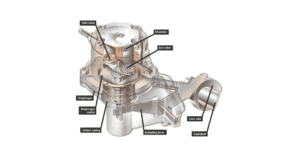 That’s a pretty wide range, and honestly, it surprised me the first time I dealt with a fuel pump problem myself. I remember getting one quote for nearly $1,000 on an older sedan I owned years ago. Another mechanic offered a quality replacement for almost half the price.
That experience taught me that understanding fuel pump pricing can save you a lot of money. This guide explains everything in simple terms, including:
- Fuel pump prices
- Labor costs
- Warning signs
- OEM vs aftermarket parts
- Buyer’s guide tips
- Ways to save money
- Frequently asked questions
Whether you drive a compact car, SUV, truck, or luxury vehicle, this guide will help you understand what to expect before spending money on repairs.
Average Fuel Pump Replacement Cost
Here’s a quick breakdown of typical fuel pump costs.
| Fuel Pump Type | Fuel Pump Price | Labor Cost | Total Replacement Cost |
| Basic Aftermarket Fuel Pump | $50 – $150 | $150 – $350 | $200 – $500 |
| OEM Fuel Pump | $200 – $600 | $200 – $500 | $400 – $1,100 |
| Luxury Vehicle Fuel Pump | $500 – $900+ | $300 – $700 | $800 – $1,500+ |
| DIY Replacement | $50 – $500 | $0 | $50 – $500 |
The final price depends on:
- Your car’s make and model
- Fuel pump location
- Shop labor rates
- Vehicle size
- Fuel system complexity
- Gasoline or diesel engine
Some cars are easy to repair, while others require removing the entire fuel tank, which increases labor costs significantly.
What Does a Fuel Pump Do?
The fuel pump delivers gasoline from the fuel tank to the engine at the proper pressure. Without the fuel pump, the engine won’t receive enough fuel to operate correctly.
Modern vehicles usually use electric fuel pumps mounted inside the fuel tank. Older vehicles sometimes use mechanical pumps attached to the engine. A failing fuel pump can cause:
- Hard starting
- Engine sputtering
- Loss of power
- Poor acceleration
- Random stalling
- Complete no-start situations
In simple terms, the fuel pump is one of the most important parts of your car’s fuel system.
My Personal Experience with Fuel Pump Failure
A few years ago, my car started acting strangely while driving. At first, it only hesitated slightly when accelerating uphill. I honestly thought it was bad fuel or dirty spark plugs.
Then one morning, the engine cranked but wouldn’t start. After towing the vehicle to a local mechanic, the diagnosis came quickly: fuel pump failure. The first repair quote was shocking:
- Fuel pump replacement: $920
I decided to get a second opinion. Another repair shop recommended a premium aftermarket fuel pump instead of the dealership’s OEM version.
Final bill:
- Parts: $210
- Labor: $300
- Total: $510
The replacement lasted for years without any problems. That experience taught me two things:
- Repair prices vary massively between shops.
- Cheap parts aren’t always the best idea, but dealership pricing isn’t always necessary either.
Why Fuel Pump Replacement Costs So Much
Many drivers assume the fuel pump itself is expensive. Sometimes it is, but labor is usually the biggest factor.
Most modern fuel pumps are located inside the fuel tank. Replacing them often requires mechanics to:
- Drain the fuel tank
- Lift the vehicle
- Disconnect fuel lines
- Remove the tank
- Replace the pump
- Reassemble everything safely
That process can take several hours. On some vehicles, mechanics can access the pump through an interior access panel beneath the rear seat, which lowers labor costs. On others, it’s a time-consuming repair.
Common Signs of a Bad Fuel Pump
Fuel pumps rarely fail without warning. Most show symptoms before complete failure.
1. Hard Starting
If your car takes longer than usual to start, weak fuel pressure may be the cause.
2. Engine Sputtering
A bad fuel pump may struggle to deliver consistent fuel flow at higher speeds.
3. Loss of Power
You may notice sluggish acceleration or poor hill-climbing performance.
4. Whining Noise from the Fuel Tank
A loud humming or whining sound can indicate a worn fuel pump motor.
5. Random Stalling
This symptom is frustrating because it often happens unpredictably.
6. Car Won’t Start
When the fuel pump completely fails, the engine may crank but never start.
Fuel Pump Costs by Vehicle Type
Different vehicles have very different fuel pump prices.
Economy Cars
Typical Total Cost: $250 – $700
Examples:
- Toyota Corolla
- Honda Civic
- Hyundai Elantra
These vehicles are usually cheaper to repair because their fuel systems are simpler.
SUVs and Trucks
Typical Total Cost: $400 – $1,200
Examples:
- Ford F-150
- Chevrolet Silverado
- Toyota Tacoma
Larger fuel tanks and difficult access increase labor time.
Luxury Vehicles
Typical Total Cost: $800 – $1,500+
Examples:
- BMW
- Audi
- Mercedes-Benz
Luxury vehicles often use more advanced fuel delivery systems and expensive OEM parts.
Diesel Vehicles
Typical Total Cost: $500 – $2,000+
Diesel fuel systems operate at higher pressures and are often more expensive to repair.
Fuel Pump Comparison Table
Here’s a practical comparison of the most common fuel pump options.
| Fuel Pump Type | Best For | Average Price | Reliability | My Opinion |
| OEM Fuel Pump | Long-term ownership | $250 – $900 | Excellent | Best overall quality |
| Premium Aftermarket Pump | Budget-conscious drivers | $100 – $350 | Very Good | Best value for most people |
| Cheap Generic Pump | Lowest upfront cost | $50 – $120 | Unpredictable | Risky choice |
| Performance Fuel Pump | Modified cars | $300 – $1,000+ | Excellent | Only needed for tuned engines |
Personally, I think premium aftermarket pumps offer the best balance between cost and reliability for everyday drivers.
OEM vs Aftermarket Fuel Pumps
Choosing between OEM and aftermarket parts is one of the biggest decisions drivers face.
OEM Fuel Pumps
OEM means Original Equipment Manufacturer. These are factory-style replacement parts.
Pros
- Excellent reliability
- Perfect fitment
- Usually quieter
- Better long-term durability
Cons
- More expensive
- Dealer pricing can be very high
Aftermarket Fuel Pumps
Third-party manufacturers produce aftermarket pumps.
Pros
- Lower prices
- Widely available
- Some brands perform almost as well as OEM
Cons
- Quality varies greatly
- Cheap versions may fail early
My advice?
Avoid ultra-cheap no-name fuel pumps. Replacing a failed pump twice costs far more than buying a quality part the first time.
Best Fuel Pump Brands
Several brands consistently perform well.
| Brand | Reputation | Typical Price Range |
| Bosch | Excellent quality | $150 – $500 |
| Denso | OEM-level reliability | $120 – $450 |
| Delphi | Strong aftermarket value | $100 – $400 |
| ACDelco | Trusted OEM supplier | $120 – $500 |
| Carter | Affordable reliability | $80 – $300 |
| Walbro | Performance applications | $200 – $800 |
For most drivers:
- Denso works great for Japanese vehicles
- Bosch is excellent for European cars
- Delphi and ACDelco are strong choices for domestic vehicles
How Long Does a Fuel Pump Last?
Most fuel pumps last between:
100,000 and 200,000 miles
Sometimes longer.
However, several factors affect lifespan.
What Shortens Fuel Pump Life?
Driving on Empty
Fuel helps cool and lubricate the pump. Running very low on fuel repeatedly can overheat it.
Dirty Fuel
Contaminated fuel increases wear.
Cheap Replacement Parts
Low-quality pumps usually fail earlier.
Electrical Problems
Voltage issues can damage pump motors. Personally, I try to keep my fuel level above one-quarter tank whenever possible.
Is It Worth Replacing a Fuel Pump?
Usually, yes. A bad fuel pump alone does not mean your car is finished. If the vehicle is otherwise reliable, replacing the fuel pump is often far cheaper than buying another vehicle.
Usually Worth Replacing If:
- The engine runs well otherwise
- Transmission is healthy
- Vehicle still has value
- You plan to keep the car
May Not Be Worth It If:
- Severe rust exists
- Major engine problems already exist
- Multiple expensive repairs are pending
- Repair costs exceed vehicle value
DIY Fuel Pump Replacement
Can you replace a fuel pump yourself? Technically yes. But it depends on your skill level. DIY replacement can save hundreds in labor costs, but it also involves:
- Fuel system safety
- Fuel tank removal
- Electrical wiring
- Working underneath the vehicle
- Fuel line disconnection
Gasoline vapors are highly flammable, so safety is critical. If you have moderate mechanical experience, DIY may be possible. Otherwise, professional installation is usually the smarter option.
Buyer’s Guide: Choosing the Right Fuel Pump
Buying the correct fuel pump matters more than many drivers realize. The wrong choice can cause:
- Poor engine performance
- Hard starting
- Early failure
- Check engine lights
- Fuel pressure problems
Here’s what to look for.
1. Match Your Exact Vehicle
Always verify:
- Year
- Make
- Model
- Engine size
Even similar trims can use different pumps.
2. Buy Trusted Brands
Reliable brands generally last longer and perform better. Popular choices include:
- Bosch
- Denso
- Delphi
- ACDelco
- Carter
3. Check Warranty Coverage
A strong warranty adds peace of mind. Some fuel pumps include lifetime warranties.
4. Read Customer Reviews
Watch for repeated complaints about:
- Noise
- Fitment problems
- Premature failure
- Weak pressure
5. Avoid Extremely Cheap Pumps
Very cheap pumps often fail quickly. Saving $40 upfront may cost hundreds later in labor.
6. Consider Long-Term Ownership
If you plan to keep your vehicle for years, investing in a quality fuel pump makes sense.
Hidden Costs Drivers Forget
Fuel pump replacement sometimes includes extra charges.
| Additional Repair | Average Price |
| Fuel Filter Replacement | $20 – $150 |
| Diagnostic Testing | $80 – $180 |
| Fuel Tank Cleaning | $100 – $300 |
| Fuel Pressure Test | $50 – $150 |
| Towing | $75 – $250 |
Always ask for a full estimate before approving repairs.
How to Save Money on Fuel Pump Replacement
Here are practical ways to reduce repair costs.
Compare Multiple Quotes
Repair prices vary dramatically between shops.
Use Quality Aftermarket Parts
Premium aftermarket pumps often provide excellent value.
Replace the Fuel Filter
A clogged filter can damage the new pump.
Don’t Ignore Symptoms
Early repairs are usually cheaper.
Avoid Ultra-Cheap Parts
Cheap pumps often fail prematurely.
Read More: How To Check My Oil In My Car
FAQs: How Much Is A Fuel Pump For A Car
How much does a fuel pump cost?
Fuel pump prices usually range from $50 to $900, depending on the vehicle and part quality.
How much does a fuel pump replacement cost?
Most complete replacements cost between $250 and $1,500, including labor.
Can I drive with a bad fuel pump?
You may be able to temporarily, but the vehicle could stall or fail without warning.
How long does a fuel pump last?
Most fuel pumps last between 100,000 and 200,000 miles.
What causes fuel pump failure?
Common causes include:
- Driving on empty
- Dirty fuel
- Electrical problems
- Normal wear
- Cheap replacement parts
Are aftermarket fuel pumps reliable?
High-quality aftermarket pumps can be very reliable when purchased from trusted brands.
Can a clogged fuel filter damage the fuel pump?
Yes. Restricted fuel flow forces the pump to work harder.
Is replacing a fuel pump difficult?
It can be difficult because many vehicles require fuel tank removal.
Should I replace the fuel filter with the fuel pump?
In many cases, yes. It helps protect the new fuel pump.
What are the symptoms of a bad fuel pump?
Common symptoms include:
- Hard starting
- Power loss
- Sputtering
- Stalling
- Whining noises
- No-start conditions
Final Thoughts
So, how much is a fuel pump for a car? For most vehicles, expect to spend somewhere between $250 and $1,500, depending on labor and parts.
While the repair can feel expensive, replacing a failing fuel pump is often worth it if the rest of the vehicle is dependable. From my own experience, the smartest approach is:
- Diagnose the problem correctly
- Compare repair quotes
- Avoid low-quality parts
- Choose trusted brands
- Fix the issue before total failure
A quality fuel pump replacement can easily last another 100,000 miles or more. And honestly, replacing the pump early can save you from the stress of roadside breakdowns, towing costs, and unexpected no-start situations.