If you have ever walked into a garage and noticed oil stains, cracked concrete, tire marks, or slippery surfaces after rain, you already understand why rubber matting for car parking has become so popular.
What started as a simple garage accessory has now evolved into one of the smartest upgrades for both residential and commercial parking spaces. I used to think rubber parking mats were only useful in industrial garages or workshops.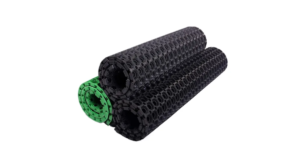 But after dealing with dusty concrete floors, water pooling during monsoon season, and annoying tire marks, I decided to try one for my own parking space. The difference was immediate. The floor stayed cleaner, the tires had better grip, and the whole garage looked more professional.
Whether you own a compact sedan, SUV, pickup truck, or even manage a commercial parking area, quality rubber matting can dramatically improve safety, comfort, and durability.
This guide covers everything you need to know about rubber matting for car parking, from materials and thickness to drainage systems, installation methods, maintenance tips, and buying recommendations.
Why Rubber Matting Matters for Car Parking
Rubber matting is more than just floor covering. It serves multiple practical purposes:
- Protects concrete flooring
- Prevents slipping
- Reduces tire wear
- Handles oil and chemical spills
- Improves drainage
- Reduces noise
- Enhances appearance
- Makes cleaning easier
For people living in rainy or dusty regions, especially where mud and water are common, rubber mats become even more valuable.
Types of Rubber Matting for Car Parking
Different parking environments require different types of mats. Choosing the right one depends on traffic, weather, vehicle weight, and budget.
1. Solid Rubber Mats
These are dense, heavy-duty mats designed for maximum durability.
Best For:
- Residential garages
- Indoor parking
- Heavy vehicles
Advantages:
- Extremely durable
- Excellent floor protection
- Easy to clean
- Strong grip
Drawbacks:
- Heavy to move
- Less drainage
2. Interlocking Rubber Tiles
These snap together like puzzle pieces.
Best For:
- Custom garage layouts
- DIY installations
- Modular parking spaces
Advantages:
- Easy installation
- Replaceable sections
- Attractive appearance
- Expandable
Drawbacks:
- Slightly higher cost
- Seams may collect dirt
3. Drainage Rubber Mats
These contain holes or channels for water flow.
Best For:
- Outdoor parking
- Rainy climates
- Car wash areas
Advantages:
- Excellent water drainage
- Slip-resistant
- Fast drying
Drawbacks:
- Less comfortable for walking barefoot
- Dirt may accumulate underneath
4. Recycled Rubber Mats
Made from recycled tires and eco-friendly materials.
Best For:
- Budget buyers
- Eco-conscious users
- Light-duty parking
Advantages:
- Affordable
- Environmentally friendly
- Good durability
Drawbacks:
- Sometimes strong rubber smell
- Lower premium finish
Comparison Table: Rubber Matting for Car Parking
| Feature | Solid Rubber Mats | Interlocking Tiles | Drainage Mats | Recycled Rubber Mats |
| Durability | Excellent | Very Good | Good | Good |
| Water Drainage | Moderate | Moderate | Excellent | Moderate |
| Installation | Easy | Very Easy | Easy | Easy |
| Appearance | Industrial | Modern | Functional | Basic |
| Comfort | Excellent | Very Good | Moderate | Good |
| Maintenance | Easy | Moderate | Moderate | Easy |
| Noise Reduction | Excellent | Very Good | Good | Good |
| Best Use | Indoor Garage | Home Garage | Outdoor Parking | Budget Setup |
| Price Range | Medium-High | Medium | Medium | Budget-Friendly |
My Experience Using Rubber Matting in a Garage
After testing both cheap PVC mats and premium rubber parking mats, I noticed several major differences. The rubber version felt far sturdier. Tires didn’t slide when reversing in the rain. Water didn’t spread across the entire garage floor. Even oil drips became much easier to clean.
One surprising advantage was noise reduction. Parking inside the garage became quieter because rubber absorbs sound better than bare concrete.
Another thing I appreciated was comfort. Working around the car, cleaning wheels, checking tire pressure, or washing the vehicle became easier on the knees and feet.
The only downside? High-quality rubber mats are heavier and cost more upfront. But over time, they protect the flooring enough to justify the investment.
Key Features to Look for in Rubber Parking Mats
Thickness
Thickness affects durability and comfort.
Recommended Thickness:
- Light vehicles: 3mm–5mm
- SUVs and trucks: 6mm–10mm
- Commercial use: 10mm+
Thicker mats handle heavier loads better and last longer.
Slip Resistance
One of the main reasons people buy rubber matting is safety. Look for:
- Textured surfaces
- Raised grip patterns
- Anti-slip certification
This becomes especially important in wet climates.
Drainage Design
If your parking area gets wet frequently, drainage is essential. Choose mats with:
- Perforations
- Raised channels
- Open-grid designs
Good drainage prevents mold and standing water.
Chemical Resistance
Cars leak fluids occasionally:
- Oil
- Brake fluid
- Coolant
- Fuel
Quality rubber mats resist chemical damage better than plastic alternatives.
UV Resistance
Outdoor parking mats need UV protection to avoid:
- Cracking
- Fading
- Brittleness
Always check whether the mat is suitable for outdoor exposure.
Rubber Matting vs PVC Matting
Many buyers compare rubber mats with cheaper PVC alternatives.
| Feature | Rubber Matting | PVC Matting |
| Durability | Excellent | Moderate |
| Grip | Superior | Average |
| Weather Resistance | Excellent | Moderate |
| Flexibility | High | Moderate |
| Lifespan | Long | Shorter |
| Comfort | Better | Moderate |
| Price | Higher | Lower |
PVC mats may save money initially, but rubber usually performs better long-term.
Best Places to Use Rubber Parking Mats
Residential Garages
Home garages benefit greatly from:
- Cleaner floors
- Reduced stains
- Better appearance
Commercial Parking Areas
Commercial properties use rubber matting to:
- Improve safety
- Reduce maintenance costs
- Enhance durability
Car Wash Stations
Drainage mats work perfectly in wet environments.
Basement Parking
Rubber reduces echo and protects concrete surfaces in underground parking structures.
Benefits of Rubber Matting for Car Parking
Floor Protection
Concrete repair can be expensive. Rubber mats help prevent:
- Cracks
- Stains
- Tire damage
- Moisture penetration
Better Vehicle Traction
Rubber surfaces improve tire grip during:
- Rain
- Snow
- Muddy conditions
Easier Cleaning
Instead of scrubbing concrete, you can simply:
- Hose down the mat
- Sweep debris
- Wipe spills
Reduced Noise
Rubber absorbs:
- Tire sounds
- Footsteps
- Tool noise
This creates a quieter garage environment.
Improved Appearance
A garage with proper matting looks cleaner and more organized.
Buyer’s Guide: Choosing the Best Rubber Matting for Car Parking
Measure Your Parking Area
Before buying:
- Measure width and length
- Consider walking areas
- Allow extra space for doors
Choose the Right Thickness
Heavier vehicles require thicker mats.
Suggested Guide:
- Sedan: 4mm–6mm
- SUV: 6mm–8mm
- Truck: 8mm–12mm
Indoor or Outdoor Use?
Outdoor mats need:
- UV resistance
- Drainage channels
- Weatherproof construction
Indoor mats can prioritize comfort and appearance.
Check Weight Capacity
Cheap mats may compress under heavy vehicles. Look for:
- Heavy-duty ratings
- Commercial-grade rubber
- Reinforced construction
Consider Installation Method
Roll-Out Mats
- Fast setup
- Easy for large areas
Interlocking Tiles
- Flexible layouts
- Easy replacement
Adhesive Mats
- Permanent installation
- Maximum stability
Smell and Off-Gassing
Some recycled rubber mats produce strong odors initially. Tips:
- Air them outside first
- Choose low-VOC products
- Read customer reviews
Common Mistakes Buyers Make
Buying Too Thin
Thin mats may:
- Curl
- Crack
- Compress quickly
Ignoring Drainage Needs
Without drainage:
- Water pools
- Mold develops
- Slipping risk increases
Choosing Cheap Materials
Low-cost mats often:
- Fade quickly
- Tear easily
- Lose grip
Not Checking Surface Texture
Smooth mats can become slippery when wet. Always choose textured designs.
Installation Tips for Rubber Parking Mats
Step 1: Clean the Surface
Remove:
- Dust
- Oil
- Debris
- Moisture
Step 2: Let Mats Relax
Leave rolled mats flat for several hours before installation.
Step 3: Align Properly
Ensure:
- Straight positioning
- No curling edges
- Tight seams
Step 4: Secure if Necessary
Use:
- Adhesive
- Double-sided tape
- Edge trim
Especially for high-traffic areas.
Maintenance and Cleaning Tips
Rubber parking mats are relatively low-maintenance.
Weekly Cleaning
- Sweep dirt
- Remove debris
Monthly Cleaning
- Hose down
- Mild soap wash
- Dry completely
Avoid
- Harsh solvents
- Bleach
- Abrasive brushes
Proper maintenance can extend lifespan significantly.
How Long Does Rubber Matting Last?
Quality rubber mats can last:
- 5–10 years for residential use
- 3–7 years for commercial use
Factors affecting lifespan:
- Vehicle weight
- UV exposure
- Moisture
- Maintenance quality
Are Rubber Parking Mats Worth It?
In my experience, yes.
The initial cost may seem high compared to bare concrete or cheap PVC flooring, but the long-term benefits are substantial.
You get:
- Better protection
- Safer footing
- Easier maintenance
- Improved appearance
- Longer floor lifespan
For anyone serious about garage cleanliness and vehicle care, rubber matting is a practical investment.
Eco-Friendly Benefits of Recycled Rubber Mats
Many rubber mats use recycled tire materials. Environmental advantages:
- Reduces landfill waste
- Reuses discarded rubber
- Conserves resources
Modern recycled mats are also surprisingly durable.
Rubber Matting for Extreme Weather
Hot Climates
Quality rubber resists:
- Heat cracking
- Surface warping
Rainy Conditions
Drainage systems prevent:
- Standing water
- Slipping
- Mold
Cold Weather
Premium rubber stays flexible in low temperatures better than plastic mats.
Signs You Need New Rubber Parking Mats
Replace mats if you notice:
- Cracks
- Curling edges
- Loss of grip
- Severe fading
- Permanent compression
Damaged mats can become safety hazards.
Premium vs Budget Rubber Mats
Premium Mats
Pros:
- Better durability
- Stronger grip
- UV resistance
- Longer lifespan
Cons:
- Higher price
Budget Mats
Pros:
- Affordable
- Basic protection
Cons:
- Shorter lifespan
- Less traction
- Faster wear
For long-term use, premium mats usually provide better value.
Read More: How Do You Check The Oil Level In Your Car
FAQs: Rubber Matting For Car Parking
What is the best thickness for rubber parking mats?
For most residential garages, 5mm–8mm works well. Heavy trucks may require 10mm or thicker mats.
Are rubber parking mats waterproof?
Most are water-resistant, but drainage-style mats handle water best in outdoor environments.
Can rubber mats damage concrete floors?
No. In fact, they help protect concrete from moisture, stains, and tire wear.
Do rubber mats smell bad?
Some recycled rubber mats have a temporary odor initially, but it usually fades within days or weeks.
Can I install rubber parking mats myself?
Yes. Most mats are designed for easy DIY installation.
Are interlocking rubber tiles durable enough for cars?
Yes, provided they are rated for vehicle traffic and sufficient weight capacity.
How do I clean oil from rubber mats?
Use:
- Mild detergent
- Warm water
- Soft brush
Avoid harsh chemicals.
Are rubber parking mats good for outdoor use?
Yes, especially UV-resistant drainage mats designed for outdoor environments.
Will heavy vehicles damage rubber mats?
Quality commercial-grade mats can handle heavy vehicles without problems.
Do rubber mats reduce noise?
Yes. Rubber absorbs sound much better than concrete or tile flooring.
Final Thoughts
Rubber matting for car parking is one of those upgrades that seems simple at first but delivers impressive long-term value. Whether you want to protect your garage floor, improve safety during wet weather, reduce noise, or simply create a cleaner parking environment, a quality rubber mat can make a huge difference.
After using different types over the years, I believe the best choice depends on your environment and vehicle type. Indoor residential garages often benefit most from solid or interlocking rubber mats, while outdoor or wet areas perform better with drainage-style designs.
The key is avoiding ultra-cheap materials that wear out quickly. Investing in durable, properly rated rubber matting saves money and frustration in the long run.
A clean, safe, and professional-looking parking space is easier to achieve than most people realize, and rubber matting is one of the smartest ways to get there.