When your car’s air conditioner suddenly starts blowing warm air in the middle of a hot day, frustration kicks in fast. Most people immediately assume the compressor is dead or the refrigerant is low.
But in many cases, the real culprit is much smaller and cheaper than the AC pressure switch. I learned this the hard way during a summer road trip. My car’s AC worked perfectly one day and completely failed the next morning.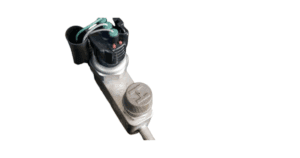 I expected an expensive repair bill. Instead, after a bit of troubleshooting and testing, I discovered the pressure switch had failed. Replacing it cost far less than a compressor replacement and restored icy cold air immediately.
That experience taught me how important this tiny component really is. In this guide, I’ll walk you through everything you need to know about testing a car’s AC pressure switch in simple.
Whether you’re a DIY enthusiast or just trying to avoid unnecessary mechanic costs, this article will help you diagnose the issue confidently.
What Is a Car AC Pressure Switch?
The AC pressure switch is a safety device in your vehicle’s air conditioning system. Its job is to monitor refrigerant pressure and protect the compressor from damage. There are generally two types:
- Low-pressure switch
- High-pressure switch
Some vehicles combine both into a single sensor. If pressure becomes too low or too high, the switch shuts off the compressor clutch to prevent expensive damage.
Without this component, your AC system could overheat, freeze, or destroy the compressor internally.
Symptoms of a Bad AC Pressure Switch
Before testing the switch, it helps to recognize common warning signs.
Common Symptoms
| Symptom | Possible CauseThe |
| AC blows warm air | The pressure switch is not activating the compressor |
| Compressor clutch won’t engage | Faulty switch or low refrigerant |
| AC cycles on and off rapidly | Pressure readings incorrect |
| AC works intermittently | Electrical failure in the switch |
| Check engine light appears | Faulty AC pressure sensor signal |
| Unusual compressor noises | Improper pressure regulation |
How the AC Pressure Switch Works
The pressure switch constantly measures refrigerant pressure inside the AC system. Here’s a simplified breakdown:
- Refrigerant pressure rises or falls
- Switch monitors pressure levels
- If pressure is safe → compressor stays active
- If pressure is unsafe → switch disables compressor
This prevents:
- Compressor burnout
- Refrigerant leaks
- Hose ruptures
- System overheating
Think of it as the AC system’s bodyguard.
Tools Needed to Test a Car AC Pressure Switch
Testing is fairly straightforward if you have the right tools.
Essential Tools
| Tool | Purpose |
| Multimeter | Check electrical continuity |
| AC manifold gauge set | Measure refrigerant pressure |
| Jumper wire | Bypass switch temporarily |
| Safety gloves | Protect hands |
| Safety goggles | Protect eyes from refrigerant |
| Vehicle repair manual | Locate the switch and wiring |
Safety First Before Testing
Car AC systems operate under high pressure. Before starting:
- Turn off the engine
- Wear safety goggles
- Avoid touching refrigerant directly
- Never vent refrigerant into the air
- Work in a ventilated area
Refrigerant can cause frostbite and eye injuries.
Step-by-Step: How To Test a Car AC Pressure Switch
Step 1: Locate the AC Pressure Switch
The switch is usually found:
- Near the AC compressor
- On refrigerant lines
- Around the accumulator or receiver dryer
Check your vehicle manual for exact placement.
Step 2: Inspect the Connector and Wiring
Before using tools, inspect visually. Look for:
- Corroded terminals
- Broken wires
- Loose connectors
- Oil contamination
Sometimes the issue is simply a damaged connector rather than the switch itself.
Step 3: Check Refrigerant Pressure
This is critical. A pressure switch may shut off the compressor because refrigerant pressure is genuinely unsafe. Attach manifold gauges and compare readings with manufacturer specifications.
Typical Pressure Ranges
| System Condition | Low Side PSI | High Side PSI |
| Normal operation | 25–45 PSI | 150–250 PSI |
| Low refrigerant | Below 25 PSI | Low |
| Overcharged system | High | Extremely high |
If refrigerant pressure is incorrect, the switch may actually be functioning properly.
Using a Multimeter to Test the Pressure Switch
This is the most accurate DIY method.
Step-by-Step Multimeter Test
1. Disconnect the electrical connector
Carefully unplug the switch connector.
2. Set the multimeter to continuity or ohms
Most switches should show continuity under normal pressure conditions.
3. Probe the terminals
Touch the multimeter leads to switch terminals.
4. Read the result
- Continuity present = switch may be good
- No continuity = faulty switch
However, readings depend on system pressure.
Testing a Normally Closed Switch
Many low-pressure switches are normally closed. That means:
- Proper pressure → continuity exists
- Low pressure → circuit opens
If pressure is normal and continuity is absent, the switch is likely bad.
Testing a Normally Open Switch
Some high-pressure switches are normally open. That means:
- Safe pressure → open circuit
- Dangerous pressure → switch closes
Always verify your vehicle’s specifications.
How To Bypass an AC Pressure Switch
This method helps confirm the diagnosis temporarily.
Important Warning
Only bypass briefly for testing purposes. Never drive permanently with a bypassed pressure switch.
Temporary Bypass Procedure
- Disconnect switch connector
- Insert the jumper wire into the connector terminals
- Start engine
- Turn the AC on
Results
| Result | Meaning |
| Compressor engages | The pressure switch is likely faulty |
| Compressor still off | A different issue exists |
Personal Experience Testing an AC Pressure Switch
The first time I tested one, I honestly expected the process to be complicated. Modern cars can make even simple repairs feel intimidating.
But after locating the switch and using a basic multimeter, the diagnosis became surprisingly straightforward.
In my case:
- Refrigerant pressure was normal
- The compressor clutch wouldn’t engage
- Continuity test failed
- Jumper wire-activated compressor instantly
That confirmed the switch was dead. Replacing it took less than 20 minutes. The biggest lesson? Never assume the compressor itself is bad before testing the pressure switch.
Common Reasons AC Pressure Switches Fail
Several things can cause failure.
Main Causes
1. Age and wear
Heat cycles eventually degrade internal contacts.
2. Refrigerant leaks
Low refrigerant forces excessive cycling.
3. Electrical corrosion
Moisture damages connectors.
4. Compressor problems
Abnormal pressure spikes stress the switch.
5. Poor maintenance
Neglected AC systems fail faster.
Signs the Problem Is NOT the Pressure Switch
Sometimes symptoms point elsewhere.
Possible Alternative Problems
| Symptom | Likely Cause |
| Clicking noises | Bad compressor clutch |
| No refrigerant pressure | Major leak |
| Blown fuse | Electrical short |
| Weak airflow | Cabin air filter or blower motor |
| Compressor engages briefly | Low refrigerant charge |
AC Pressure Switch vs AC Compressor Problems
Many drivers confuse these issues.
Comparison Table
| Feature | Bad Pressure Switch | Bad Compressor |
| Compressor engages? | Usually no | Sometimes |
| Repair cost | Low | Expensive |
| Electrical testing possible | Yes | Limited |
| Refrigerant pressure affected | Sometimes | Often severe |
| DIY replacement difficulty | Easy to moderate | Difficult |
| Common symptom | AC won’t activate | Loud noises & no cooling |
Can You Drive With a Bad AC Pressure Switch?
Technically, yes, but it’s risky. A failed switch can:
- Prevent cooling entirely
- Damage compressor
- Cause pressure buildup
- Increase repair costs
Ignoring it can turn a small repair into a major expense.
How Much Does It Cost to Replace an AC Pressure Switch?
Prices vary by vehicle.
Typical Costs
| Item | Average Cost |
| Pressure switch part | $20–$80 |
| Labor | $50–$150 |
| Full repair total | $70–$230 |
Luxury vehicles may cost more.
DIY vs Mechanic Repair
DIY Advantages
- Save labor costs
- Learn valuable skills
- Faster diagnosis
- Satisfaction of fixing your own car
DIY Drawbacks
- Requires tools
- Refrigerant systems can be dangerous
- Misdiagnosis possible
Best Multimeters for Testing AC Pressure Switches
If you frequently work on cars, a good multimeter matters.
Recommended Features
- Continuity mode
- Auto-ranging
- Durable probes
- Backlit display
- Automotive voltage testing
Buyer’s Guide: Choosing Tools for AC Pressure Switch Testing
Buying cheap tools can lead to inaccurate diagnoses. Here’s what to prioritize.
1. Multimeter Quality
A reliable multimeter is the most important tool.
Look For:
- Continuity buzzer
- Accurate resistance readings
- Automotive compatibility
- Durable construction
Avoid:
- Extremely cheap no-name brands
- Weak probes
- Inconsistent readings
2. AC Manifold Gauge Set
Pressure readings are essential.
Good Gauge Sets Include:
- Color-coded hoses
- Clear PSI markings
- Durable fittings
- R134a compatibility
3. Safety Equipment
Never skip eye protection.
Recommended:
- Chemical-resistant gloves
- Safety goggles
- Long sleeves
4. Vehicle Repair Manual
Different manufacturers use different switch designs. A manual prevents guesswork.
My Honest Thoughts After Learning This Repair
Testing an AC pressure switch completely changed how I approach car repairs. Before learning this process, I assumed every AC problem required expensive professional diagnostics. But many issues can actually be identified with patience and basic tools.
The biggest surprise was how often pressure switches fail compared to compressors. Mechanics sometimes jump straight to expensive repairs because compressors are more profitable to replace.
That doesn’t mean every mechanic is dishonest, but understanding basic diagnostics gives you confidence and helps prevent unnecessary spending.
Even if you don’t plan to repair the issue yourself, knowing how to test the switch makes you a smarter car owner.
Common Mistakes When Testing AC Pressure Switches
1. Ignoring Refrigerant Levels
Low refrigerant can mimic switch failure. Always check pressure first.
2. Permanently Bypassing the Switch
This is dangerous. The switch exists to protect the system.
3. Using the Wrong Wiring Diagram
Different cars use different switch configurations.
4. Forgetting Electrical Grounds
A bad ground can imitate switch failure.
5. Replacing Parts Without Testing
Always diagnose before replacing.
How Long Does an AC Pressure Switch Last?
Most switches last:
- 8–15 years
- 100,000+ miles
Extreme heat and poor maintenance shorten lifespan.
Preventing Future AC Pressure Switch Failure
Helpful Maintenance Tips
Run AC regularly
Even during winter.
Check refrigerant annually
Proper pressure reduces strain.
Fix leaks quickly
Low refrigerant damages components.
Keep electrical connectors clean.
Moisture causes corrosion.
Replace the cabin air filter.s
Improves system efficiency.
Is Testing the AC Pressure Switch Worth It?
Absolutely. It can:
- Save hundreds of dollars
- Prevent unnecessary compressor replacement
- Improve diagnostic confidence
- Help identify refrigerant problems
For DIY car owners, this is one of the most valuable AC troubleshooting skills to learn.
Read More: How To Check Oil In Car
FAQs: How To Test a Car AC Pressure Switch
How do I know if my AC pressure switch is bad?
Common symptoms include warm air, compressor failure to engage, intermittent cooling, and rapid AC cycling.
Can I bypass the AC pressure switch?
Yes, but only temporarily for testing purposes. Driving permanently with a bypassed switch can damage the compressor.
Will low refrigerant trigger the pressure switch?
Yes. Low-pressure switches shut off the compressor when refrigerant pressure becomes unsafe.
Can a bad pressure switch cause warm air?
Absolutely. If the switch prevents compressor activation, the AC cannot cool properly.
Do I need to remove refrigerant to replace the switch?
Some systems allow replacement without evacuation because of built-in Schrader valves. Others require refrigerant recovery.
How long does it take to test an AC pressure switch?
Usually 15–45 minutes, depending on vehicle accessibility.
Is a pressure sensor the same as a pressure switch?
Not always. Some vehicles use sensors that communicate with the ECU rather than simple on/off switches.
Can AutoZone test an AC pressure switch?
Most auto parts stores can test basic electrical components, but AC diagnosis is usually limited.
What happens if the high-pressure switch fails?
The system may shut off the compressor unnecessarily or fail to protect against dangerous pressure buildup.
Can I replace the AC pressure switch myself?
Yes, many DIY mechanics can replace it with basic tools and proper safety precautions.
Conclusion
Learning how to test a car’s AC pressure switch is one of those automotive skills that pays off immediately. It’s simple enough for beginners yet valuable enough to prevent major repair bills.
By understanding refrigerant pressure, electrical continuity, and compressor operation, you gain real control over diagnosing your car’s AC system.
And sometimes, fixing the issue is as simple as replacing a small switch instead of an entire compressor.