When your car’s air conditioning suddenly starts blowing warm air in the middle of a hot day, most drivers immediately think, “The AC compressor is bad.” But after dealing with several AC repairs over the years, I learned that the condenser is just as important and sometimes even more likely to cause cooling issues.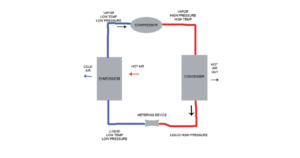 The truth is that the AC condenser and compressor work together as part of the same cooling system, but they do completely different jobs. One compresses refrigerant and creates pressure, while the other removes heat from the refrigerant so cold air can flow into the cabin.
If either component fails, your AC performance drops fast. In this detailed guide, I’ll break down:
- What the AC compressor does
- What the condenser does
- Major differences between them
- Symptoms of failure
- Repair costs
- Which one fails more often
- How to diagnose problems
- Buyer’s guide for replacements
- FAQs and maintenance advice
Quick Comparison Table: AC Condenser vs Compressor
| Feature | AC Condenser | AC Compressor |
| Main Job | Removes heat from refrigerant | Compresses refrigerant gas |
| Location | Front of radiator | Attached to the engine |
| Powered By | Airflow | Engine belt |
| Looks Like | Thin radiator | Metal pump unit |
| Common Failure | Leaks, clogging, damage | Seized bearings, internal wear |
| Repair Cost | Lower | Higher |
| Affects Cooling? | Yes | Yes |
| Makes Noise? | Rarely | Often |
| Maintenance Needed | Cleaning | Oil/refrigerant health |
| Replacement Difficulty | Moderate | Difficult |
Understanding How Car AC Systems Work
Before comparing the condenser and compressor, it helps to understand the overall AC cycle. A car air conditioning system works by circulating refrigerant through several components:
- Compressor
- Condenser
- Expansion valve/orifice tube
- Evaporator
The refrigerant constantly changes between gas and liquid form while absorbing and releasing heat. Here’s the simple version:
- The compressor pressurizes the refrigerant gas
- The condenser cools it into liquid form
- The expansion valve reduces pressure
- The evaporator creates cold air inside the cabin
Without either the compressor or condenser, the system cannot cool properly.
What Is a Car AC Compressor?
The compressor is basically the heart of your car’s AC system. Its job is to compress low-pressure refrigerant gas into high-pressure hot gas. That pressure change allows the refrigerant to circulate through the AC system.
The compressor is usually belt-driven by the engine. When you turn on your AC:
- The compressor clutch engages
- The compressor starts pumping refrigerant
- Pressure builds throughout the system
Without the compressor, refrigerant would never move.
Common Types of AC Compressors
1. Reciprocating Compressor
Uses pistons similar to an engine.
2. Rotary Compressor
Uses rotating mechanisms for smoother operation.
3. Scroll Compressor
Modern and efficient design is used in many newer vehicles.
4. Variable Displacement Compressor
Adjusts output depending on cooling demand.
Symptoms of a Bad AC Compressor
A failing compressor usually gives noticeable warning signs.
1. Loud Noises
One of the first symptoms is noise. You may hear:
- Grinding
- Squealing
- Clicking
- Rattling
Internal bearings or pistons may be failing.
2. Warm Air
If the compressor cannot circulate refrigerant properly, cooling performance drops quickly.
3. Compressor Clutch Not Engaging
The clutch may fail electrically or mechanically.
4. Refrigerant Leaks
Compressor seals can wear out over time.
5. Engine Drag
A seized compressor can place an extra load on the engine.
What Is a Car AC Condenser?
The condenser looks very similar to a small radiator. It sits at the front of the vehicle near the radiator because it needs airflow.
Its job is to remove heat from the hot refrigerant gas coming from the compressor. As air passes through the condenser fins:
- Heat escapes
- The refrigerant cools down
- Gas changes into a liquid
This process is critical for producing cold air. Without the condenser, the refrigerant stays too hot to cool the cabin effectively.
Symptoms of a Bad AC Condenser
Condenser problems are usually related to airflow restriction or leaks.
1. Weak Cooling
A damaged condenser struggles to remove heat.
2. Refrigerant Leaks
Road debris often damages condenser fins and tubes.
3. Overheating AC System
Blocked airflow causes pressure to rise dangerously high.
4. Visible Damage
Bent fins or oil stains are common signs.
5. AC Stops in Traffic
Poor airflow affects cooling more at low speeds.
How the Compressor and Condenser Work Together
Think of the compressor as the pump and the condenser as the cooler. Here’s the sequence:
- A compressor compresses refrigerant gas
- Hot refrigerant moves to the condenser
- The condenser removes heat
- Refrigerant turns into a liquid
- Refrigerant flows to the evaporator
- Cold air enters the cabin
If one fails, the entire cooling cycle breaks down.
Which Component Fails More Often?
From personal experience and repair shop trends:
- Compressors are more expensive failures
- Condensers are more commonly damaged externally
Compressor Failures Usually Happen Due To:
- Lack of oil
- Contaminated refrigerant
- Internal wear
- Overheating
- Clutch failure
Condenser Failures Usually Happen Due To:
- Road debris
- Corrosion
- Stone impacts
- Blocked airflow
- Leaks
Repair Cost Comparison
| Repair Type | Average Cost |
| Condenser Replacement | $250–$700 |
| Compressor Replacement | $600–$1,500 |
| Refrigerant Recharge | $100–$300 |
| AC Leak Repair | $150–$800 |
| Compressor Clutch Repair | $200–$500 |
Labor costs vary significantly depending on vehicle type. Luxury vehicles usually cost more.
Can a Bad Condenser Damage the Compressor?
Yes, and this is more common than many drivers realize. A clogged or restricted condenser causes excessive pressure buildup inside the AC system. That pressure forces the compressor to work harder, which can lead to:
- Overheating
- Seal failure
- Internal damage
- Compressor seizure
Ignoring condenser problems can eventually destroy the compressor.
Can a Bad Compressor Damage the Condenser?
Absolutely. When compressors fail internally, metal debris can spread throughout the AC system. That contamination often reaches:
- Condenser
- Expansion valve
- AC lines
Many mechanics recommend replacing the condenser whenever a compressor catastrophically fails.
My Personal Experience With Both Repairs
I’ve dealt with both condenser and compressor failures over the years, and the experiences were very different.
Condenser Failure Experience
My condenser issue happened after highway driving behind construction trucks. A small rock punctured the condenser. Symptoms:
- Gradually weaker cooling
- Refrigerant leak
- AC worked briefly after recharge
The repair cost was manageable compared to compressor replacement.
Compressor Failure Experience
The compressor failure was much worse. Symptoms started with:
- Squealing noises
- Intermittent cooling
- Burning smell
Eventually, the compressor seized. That repair required:
- Compressor replacement
- System flush
- New receiver dryer
- Refrigerant recharge
The total repair bill was significantly higher.
How Mechanics Diagnose AC Problems
Professional diagnosis usually involves:
Pressure Testing
Technicians check high-side and low-side refrigerant pressure.
Leak Detection
UV dye or electronic leak detectors identify leaks.
Visual Inspection
Mechanics inspect:
- Condenser fins
- Compressor clutch
- AC lines
Noise Diagnosis
Grinding noises often point toward compressor issues.
Temperature Testing
Vent temperature measurements help identify cooling efficiency problems.
Signs You Need Immediate AC Repair
Never ignore these warning signs:
- Loud compressor noises
- Burning smell
- Refrigerant leaks
- Warm air during hot weather
- Compressor clutch cycling rapidly
- AC pressure spikes
Delaying repairs can increase costs dramatically.
AC Condenser Buyer’s Guide
If you need a new condenser, here’s what matters most.
1. OEM vs Aftermarket
OEM
- Better fitment
- Higher quality
- More expensive
Aftermarket
- Affordable
- Wider selection
- Quality varies
2. Material Quality
Look for:
- Corrosion-resistant aluminum
- Durable welds
- Strong fins
3. Compatibility
Always verify:
- Vehicle year
- Engine size
- Refrigerant type
4. Warranty
Choose brands offering at least:
- 1-year warranty
- Leak protection
AC Compressor Buyer’s Guide
Compressors are expensive, so choosing wisely matters.
1. New vs Remanufactured
New Compressors
- Most reliable
- Longer lifespan
- More expensive
Remanufactured
- Cheaper
- Mixed reliability
2. Compressor Oil Compatibility
The wrong oil can destroy a new compressor quickly.
3. Brand Reputation
Cheap compressors often fail early.
4. Complete Kit Options
Best kits include:
- Compressor
- Dryer
- Expansion valve
- Seals
Best Practices After Compressor Replacement
Many people replace only the compressor and regret it later. Proper repair should include:
- System flush
- New receiver dryer
- New expansion valve
- Refrigerant recharge
- Oil balancing
Skipping these steps increases failure risk.
Why Condensers Fail So Often on Modern Cars
Modern condensers use thinner materials for:
- Better efficiency
- Reduced weight
Unfortunately, they’re more vulnerable to:
- Stone damage
- Corrosion
- Pressure leaks
Front-end placement also exposes them to road hazards constantly.
Why Compressors Are So Expensive
Compressors are precision mechanical devices. They involve:
- Internal pistons
- Bearings
- Valves
- Electromagnetic clutch systems
Labor costs are also higher because:
- Refrigerant must be evacuated
- The system must be vacuum tested
- Oil levels must be balanced
DIY vs Professional Repair
Condenser DIY Difficulty
Moderate. Possible for experienced DIYers with:
- AC gauges
- Vacuum pump
- Refrigerant equipment
Compressor DIY Difficulty
High.
Mistakes can destroy the new compressor quickly.
Professional installation is usually safer.
Tips to Make Your AC System Last Longer
1. Run AC Regularly
Even in winter.
This keeps seals lubricated.
2. Keep Condenser Clean
Remove:
- Dirt
- Bugs
- Leaves
3. Fix Small Leaks Early
Low refrigerant harms compressors.
4. Avoid Overcharging Refrigerant
Too much refrigerant increases pressure dangerously.
5. Replace Cabin Air Filter
Restricted airflow reduces cooling efficiency.
Environmental Impact of AC Failures
Refrigerant leaks harm the environment.
Modern vehicles use more eco-friendly refrigerants, but leaks still matter.
Always repair leaks promptly rather than repeatedly refilling refrigerant.
Compressor Clutch vs Compressor Failure
Sometimes the compressor itself is fine. The clutch may simply fail.
Clutch Symptoms
- Clicking sounds
- Intermittent engagement
- AC works occasionally
Replacing only the clutch can save money.
Condenser Fan Problems vs Condenser Failure
Sometimes the condenser isn’t actually bad. The cooling fan may fail instead. Without airflow:
- A condenser cannot cool the refrigerant
- AC performance drops badly
Always inspect fans before replacing the condenser.
Is It Worth Repairing an Old Car’s AC?
It depends on:
- Vehicle value
- Repair cost
- Climate
- Overall condition
For daily drivers in hot climates, working AC is usually worth repairing.
Final Verdict: Condenser vs Compressor
Both components are absolutely critical to your car’s air conditioning system.
But they fail differently.
Choose Condenser Focus If:
- You notice leaks
- Cooling drops in traffic
- Front-end damage exists
Suspect Compressor Problems If:
- AC makes loud noises
- Cooling stops entirely
- Clutch won’t engage
In my experience:
- Condensers fail more externally
- Compressors fail more mechanically
- Compressor repairs are far more expensive
The smartest approach is early diagnosis. Small AC problems quickly become expensive ones if ignored.
Read More: How To Open Lamborghini Gallardo Engine Hood
FAQs: Car AC Condenser VS Compressor
Is the AC compressor more important than the condenser?
Both are equally important. The compressor circulates refrigerant, while the condenser removes heat from it.
Can a car run with a bad AC compressor?
Yes, but the AC system will not cool properly. In some cases, a seized compressor can affect engine performance.
Can I drive with a leaking condenser?
You can drive temporarily, but refrigerant loss will eventually disable the AC system and may damage the compressor.
How long does an AC compressor last?
Most compressors last between 8 and 15 years, depending on maintenance and usage.
How long does a condenser last?
Condensers often last 10+ years unless damaged by debris or corrosion.
Why is my AC cold while driving but warm at idle?
This usually indicates:
- Poor condenser airflow
- Cooling fan issues
- Condenser blockage
Does replacing the compressor require replacing the condenser?
Not always, but if the compressor failed internally and spread debris, condenser replacement is often recommended.
What causes compressors to fail?
Common causes include:
- Low refrigerant
- Oil starvation
- Overheating
- Contamination
- Wear and tear
Can I clean my AC condenser myself?
Yes. Gentle water pressure and careful cleaning can improve airflow.
Is AC repair expensive?
Minor repairs are affordable, but compressor replacement can become costly due to labor and parts.
Conclusion
Understanding the difference between a car AC condenser and compressor can save you time, money, and frustration. The compressor creates pressure and circulates refrigerant.
The condenser removes heat and transforms refrigerant into liquid form. When either component fails:
- Cooling suffers
- Efficiency drops
- Repair costs rise
If your AC starts acting strange, don’t wait too long. Small refrigerant leaks or airflow issues can quickly snowball into major compressor damage.
A properly maintained AC system can easily last for many years, and during summer heat, that cold air is absolutely worth protecting.