I still remember the first time I realized something was seriously wrong with my car’s braking system. I was cruising at about 60 km/h, tapped the brake, and the steering wheel started vibrating like a phone on silent mode.
At first, I ignored it. Big mistake. That subtle shake turned into a loud grinding noise within weeks. Turns out, my car rotors were badly worn, and I had pushed them way past their safe limit.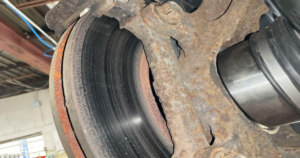 If you’re here, chances are you’ve noticed something off, too. Maybe it’s vibration, squealing, or longer stopping distances. Whatever the symptom, bad car rotors aren’t something to ignore.
In this detailed guide, I’ll walk you through:
- What bad rotors actually feel like
- My real-world experience dealing with them
- Costs, repair vs replacement decisions
- A full comparison table
- A practical buyer’s guide
- FAQs and expert tips
Let’s get into it.
What Are Car Rotors (And Why They Matter)?
Car rotors, also known as brake discs, are the flat metal discs attached to your wheels. When you press the brake pedal, brake pads clamp onto the rotors, creating friction that slows your car down.
Think of them as the core surface that absorbs all braking force. When rotors go bad, everything else suffers:
- Reduced braking performance
- Increased stopping distance
- Uneven wear on brake pads
- Safety risks at high speeds
My Real Experience With Bad Rotors
Let me be honest, I ignored the early signs.
Stage 1: Slight Vibration
At first, the steering wheel shook just a little when braking at high speeds. I thought it was wheel alignment.
Stage 2: Pulsating Brake Pedal
Soon, the brake pedal started pulsing under my foot. That’s when I realized something wasn’t right.
Stage 3: Grinding Noise
One morning, I heard a metal-on-metal grinding sound. That’s when I knew I had waited too long.
The Verdict
- Front rotors: Warped
- Rear rotors: Deep grooves
- Brake pads: Completely worn
Repair bill: Not cheap, but still cheaper than an accident.
Signs of Bad Car Rotors
Here are the most common symptoms you should never ignore:
1. Steering Wheel Vibration
If your steering wheel shakes when braking, your rotors may be warped.
2. Pulsating Brake Pedal
A rhythmic pulse often means uneven rotor thickness.
3. Grinding Noise
This is a late-stage symptom of metal-on-metal contact.
4. Squealing Sounds
Often caused by worn brake pads, but it can also indicate rotor issues.
5. Visible Grooves or Rust
Deep grooves or heavy rust are clear signs your rotors are worn out.
6. Increased Stopping Distance
Your car takes longer to stop. This is a serious safety concern.
Causes of Bad Rotors
From my experience (and a bit of hard-earned frustration), here are the main culprits:
- Excessive heat from heavy braking
- Cheap brake pads that wear unevenly
- Driving habits (frequent hard braking)
- Ignoring maintenance
- Poor-quality rotors
Repair vs Replacement: What Should You Do?
This is where things get tricky.
Resurfacing (Machining)
- Removes a thin layer from the rotor
- Makes the surface smooth again
- Works only if rotors aren’t too thin
Replacement
- Required if rotors are warped or below the minimum thickness
- More expensive but safer
Comparison Table: Resurfacing vs Replacement
| Feature | Resurfacing Rotors | Replacing Rotors |
| Cost | Lower | Higher |
| Lifespan | Shorter | Longer |
| Safety | Moderate | High |
| When to Choose | Minor wear | Severe damage/warping |
| Performance | Improved temporarily | Like new |
| Long-Term Value | Lower | Higher |
How Much Do Bad Rotors Cost to Fix?
Based on real-world pricing:
- Resurfacing: $15 – $30 per rotor
- Replacement (parts): $50 – $150 per rotor
- Labor: $100 – $300 total
My Total Cost
I paid around $300–$400 for full rotor and pad replacement, and honestly, it was worth every penny for peace of mind.
Types of Brake Rotors (Buyer Awareness)
Not all rotors are created equal.
1. Smooth (Blank) Rotors
- Affordable
- Quiet
- Best for daily driving
2. Slotted Rotors
- Better heat dissipation
- Good for performance driving
3. Drilled Rotors
- Great cooling
- Can crack under stress
4. Drilled & Slotted
- High performance
- Expensive
- Best for sports cars
Buyer’s Guide: How to Choose the Right Rotors
If you’re replacing your rotors, here’s what I wish I knew earlier:
1. Match Your Driving Style
- City driving → Standard rotors
- Aggressive driving → Slotted or performance rotors
2. Check Material Quality
Look for:
- High-carbon steel
- Corrosion-resistant coating
3. Don’t Cheap Out
Cheap rotors wear faster and can warp easily.
4. Replace Pads Together
Always replace brake pads when installing new rotors.
5. Brand Reputation Matters
Stick to trusted brands even if they cost a bit more.
Installation: DIY or Mechanic?
DIY (If Experienced)
- Requires proper tools
- Saves labor costs
Mechanic (Recommended for Most)
- Ensures correct installation
- Safer and faster
Personally, I went with a mechanic, and I’d recommend the same unless you’re confident.
How to Prevent Rotor Damage
After my experience, I changed a few habits:
- Avoid hard braking whenever possible
- Don’t ride the brakes downhill
- Use engine braking
- Replace brake pads on time
- Check rotors during routine service
Long-Term Impact of Ignoring Bad Rotors
Ignoring bad rotors can lead to:
- Brake failure
- Damage to calipers
- Higher repair costs
- Dangerous driving conditions
In short: It’s not worth the risk.
Read More: How To Test Fuel Rail Pressure Sensor With Multimeter
FAQs: Bad Car Rotors | My Honest Review
1. Can I drive with bad rotors?
You can, but you absolutely shouldn’t. It’s unsafe and can lead to brake failure.
2. How long do rotors last?
Typically 50,000 to 70,000 km, depending on driving habits.
3. Do all four rotors need replacing?
Not always. Usually, front rotors wear faster.
4. Is resurfacing worth it?
Only if the rotors are still thick enough and not warped.
5. Why do new rotors warp quickly?
Poor installation, cheap parts, or aggressive braking.
6. Should I replace pads and rotors together?
Yes. Always.
7. What happens if I ignore the grinding noise?
You risk damaging the entire braking system.
8. Are expensive rotors worth it?
In most cases, there is better durability and performance.
Final Verdict: My Honest Take
Dealing with bad car rotors was a lesson I learned the hard way. If I could go back, I would:
- Act sooner
- Invest in better quality parts
- Pay attention to early warning signs
Bottom line:
Bad rotors are not just a minor inconvenience; they’re a serious safety issue. Fix them early, choose quality parts, and your car (and your life) will thank you.