If you’ve ever had your car’s AC suddenly stop working or worse, start blowing hot air on a scorching day, you know how quickly things can get uncomfortable.
I ran into this exact issue a while back, and after chasing what I thought was a compressor failure, the real culprit turned out to be something much smaller: the car AC pressure switch.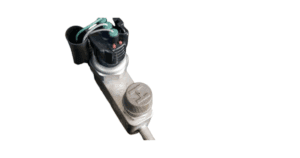 At first glance, it’s a tiny, almost forgettable component. But in reality, it plays a critical role in protecting your entire air conditioning system. Without it, your AC could either stop working altogether or suffer serious damage.
In this guide, I’ll walk you through everything you need to know, from how it works to real-world troubleshooting, comparisons, buying tips, and long-term insights based on both personal experience and practical automotive knowledge.
What Is a Car AC Pressure Switch?
The AC pressure switch is essentially a safety and control device. It monitors the pressure of the refrigerant inside your AC system and ensures everything stays within a safe operating range.
In Simple Terms:
- Too low pressure → AC won’t run properly
- Too high pressure → Risk of system damage
- The switch turns the compressor on/off accordingly
👉 Think of it as a guardian for your AC system.
How the AC Pressure Switch Works
Your car’s AC system relies on precise pressure levels to function. The pressure switch constantly checks these levels and sends signals to the compressor.
Key Functions:
- Prevents the compressor from running without enough refrigerant
- Stops operation when pressure gets dangerously high
- Maintains optimal cooling performance
Types of Pressure Switches:
- Low-pressure switch
- High-pressure switch
- Dual-function (combined) switch
Signs of a Faulty AC Pressure Switch
From my own experience, these symptoms are easy to overlook at first:
- ❄️ AC turns on and off randomly
- 🌡️ Inconsistent cooling performance
- 🚫 Compressor not engaging
- ⚠️ AC stops working completely
- 🔧 No obvious refrigerant leak, but still not cooling
👉 It’s often mistaken for compressor or refrigerant issues.
Real-World Experience: What Happened to Me
When my AC started acting up, I initially suspected low refrigerant. I refilled it,t but the issue persisted.
- Compressor would engage… then shut off
- Cooling was inconsistent
- No visible leaks
After a proper diagnostic check, it turned out the pressure switch was faulty, sending incorrect signals.
Fix:
- Replaced pressure switch → immediate improvement
- Cost was minimal compared to compressor replacement
💡 Lesson learned: Always check the small components first.
Comparison Table: Low vs High vs Dual Pressure Switch
| Feature | Low-Pressure Switch | High-Pressure Switch | Dual Pressure Switch |
| Function | Prevents low refrigerant operation | Prevents excessive pressure | Combines both functions |
| Location | Near accumulator | Near condenser | Varies |
| Cost | Low | Medium | Slightly higher |
| Complexity | Simple | Moderate | More advanced |
| Best For | Basic systems | Performance protection | Modern vehicles |
Why the AC Pressure Switch Is So Important
Without this component, your AC system is at risk of:
- Compressor burnout
- Refrigerant mismanagement
- System overheating
- Costly repairs
👉 It’s a small part that prevents big expenses.
Cost of Replacement
One of the best things about pressure switches? They’re relatively affordable.
Typical Costs:
- Part cost: $20 – $100
- Labor cost: $50 – $150
- Total: $70 – $250
Compared to a compressor replacement ($500+), this is a bargain.
Buyer’s Guide: Choosing the Right AC Pressure Switch
If you’re replacing your AC pressure switch, don’t just grab the cheapest option. Here’s what actually matters:
1. Compatibility
Always match:
- Car make
- Model
- Year
2. OEM vs Aftermarket
| Feature | OEM | Aftermarket |
| Fit | Perfect | Usually good |
| Price | Higher | Affordable |
| Reliability | High | Depends on the brand |
| Availability | Limited | Widely available |
👉 My take: Good aftermarket brands are perfectly fine if verified.
3. Build Quality
Look for:
- Durable housing
- Corrosion resistance
- High-quality connectors
4. Sensor Accuracy
A poor-quality switch can send wrong signals, causing:
- Compressor cycling issues
- Reduced cooling
5. Warranty
Always aim for at least a 6–12 month warranty.
Installation: DIY or Mechanic?
DIY (Possible if you have experience):
- Locate the switch
- Disconnect wiring
- Replace and secure
⚠️ Important:
Some systems require refrigerant handling; leave that to professionals.
Mechanic:
- Faster
- Safer
- Ensures proper system pressure
👉 If unsure, don’t risk damaging the AC system.
Common Mistakes to Avoid
From experience and research:
- ❌ Ignoring early symptoms
- ❌ Replacing the compressor first
- ❌ Using low-quality parts
- ❌ Overfilling refrigerant
How to Extend the Life of Your AC Pressure Switch
A few habits go a long way:
- 🚗 Run AC regularly (even in winter)
- 🧼 Keep the system clean
- 🔧 Schedule periodic inspections
- ❄️ Maintain proper refrigerant levels
Pressure Switch vs Other AC Components
| Component | Role | Failure Impact |
| Compressor | Pumps refrigerant | No cooling |
| Condenser | Releases heat | Poor cooling |
| Evaporator | Absorbs heat | Weak airflow |
| Pressure Switch | Controls safety | System malfunction |
👉 The pressure switch is the decision-maker.
Can You Drive With a Faulty Pressure Switch?
Technically, yes, es but it’s not ideal.
- AC may stop working anytime
- Compressor risk increases
- Cooling becomes unreliable
👉 Fix it early to avoid bigger repairs.
Long-Term Performance After Replacement
After replacing mine:
- AC became stable
- The compressor worked smoothly
- Cooling improved noticeably
It’s one of those repairs that feels small but makes a big difference.
Read More: Car Expansion Valve Replacement Cost
FAQs: Car AC Pressure Switch Function: A Real World Review
1. What does an AC pressure switch do?
It monitors refrigerant pressure and controls compressor operation.
2. Can a bad pressure switch stop the AC from working?
Yes, it can completely disable the AC system.
3. How do I know if it’s faulty?
Look for inconsistent cooling and compressor issues.
4. Is it expensive to replace?
No, it’s relatively affordable compared to major AC components.
5. Can I bypass the pressure switch?
Not recommended, it can damage your system.
6. How long does it last?
Typically 5–10 years, depending on usage.
7. Does it affect fuel economy?
Indirectly, yes, AC inefficiency can increase engine load.
8. Should I choose OEM or aftermarket?
Both are fine, just choose a reliable brand.
Final Thoughts
The car AC pressure switch might not get much attention, but it’s one of the most important parts of your AC system.
From my own experience, overlooking it can lead to unnecessary repairs and wasted money. But once fixed, the difference is immediate and noticeable.
If your AC is acting strange, don’t jump to expensive conclusions. Sometimes, the smallest part is the one causing the biggest problem.