Let me be honest, I ignored my car’s cabin air filter for way too long. Like many drivers, I focused on engine oil, tires, and brakes… but the air I was actually breathing inside my car? Completely overlooked.
That changed one hot afternoon when my car’s AC started blowing weak, slightly musty air. I assumed it was a major AC issue. Turns out, it was just a clogged cabin air filter.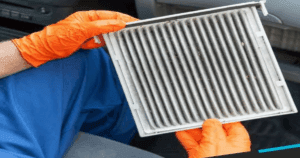 A quick replacement made the air fresher, the airflow stronger, and the whole driving experience noticeably better. So if you’re wondering how often to change your car cabin air filter, you’re in the right place.
In this guide, I’ll walk you through everything from real-world experience to expert recommendations, signs of a dirty filter, and how to choose the best one.
How Often Should You Change a Cabin Air Filter?
The Short Answer:
Most manufacturers recommend replacing your cabin air filter every:
👉 12,000 to 15,000 miles (20,000 to 25,000 km)
👉 Or once a year
But Here’s the Real-World Truth:
In my experience, the ideal interval depends heavily on your environment.
| Driving Condition | Recommended Change Interval |
| City driving (moderate dust) | Every 12,000–15,000 miles |
| Heavy traffic/pollution | Every 8,000–10,000 miles |
| Rural/dusty roads | Every 6,000–8,000 miles |
| Rare driving / clean areas | Once a year, minimum |
If you live in a place with dust, humidity, or heavy traffic, you’ll likely need to replace it sooner than the standard recommendation.
My Personal Experience
I drive daily in a fairly dusty environment. The first time I changed my cabin air filter, it had been over a year, and honestly, it looked terrible.
- Dark grey with dirt buildup
- Leaves and tiny debris are stuck inside
- Airflow was noticeably weak
After replacing it:
✔ AC airflow improved instantly
✔ Cabin smelled fresh again
✔ Less sneezing and irritation while driving
Since then, I change mine roughly every 8–10 months, and the difference is always noticeable.
Why Changing Your Cabin Air Filter Matters
Many people underestimate this small component, but it plays a big role in your comfort and health.
1. Cleaner Air Inside the Car
The filter traps:
- Dust
- Pollen
- Pollution
- Mold spores
Without it, you’re breathing all of that directly.
2. Better AC Performance
A clogged filter restricts airflow, making your AC:
- Less effective
- Slower to cool
- More strained
3. Reduced Allergies
If you suffer from allergies, a fresh filter can make a big difference.
4. Protects Your HVAC System
A dirty filter forces the system to work harder, potentially leading to:
- Higher fuel consumption
- Premature wear
Signs You Need to Replace Your Cabin Air Filter
Even if you don’t track mileage, your car will give you clues:
- Weak airflow from vents
- Unpleasant or musty smell
- Increased dust inside the cabin
- Noisy fan operation
- Windows fog more easily
- Allergy symptoms while driving
If you notice even two of these signs, it’s time to check your filter.
Types of Cabin Air Filters (Comparison Table)
Choosing the right filter matters just as much as replacing it.
| Filter Type | Pros | Cons | Best For |
| Basic (Particle) | Affordable, blocks dust & debris | Doesn’t remove odors | Budget users |
| Activated Carbon | Removes odors, smoke, and pollution | Slightly more expensive | City driving, pollution |
| HEPA Filter | Highest filtration efficiency | Expensive, less common | Allergy-sensitive drivers |
| Electrostatic | Captures very fine particles | Can lose efficiency over time | Balanced performance |
👉 My pick: Activated carbon filters, which noticeably improve air quality and eliminate bad smells.
Step-by-Step: How I Replace My Cabin Air Filter
Replacing the cabin air filter is surprisingly easy.
Usually located:
- Behind the glove box
- Under the dashboard
- Under the hood (less common)
Basic steps:
- Open the glove compartment
- Remove the access panel
- Slide out the old filter
- Insert new filter (check airflow direction)
- Reassemble
⏱ Time required: 5–15 minutes
No tools needed in most cars!
Buyer’s Guide: How to Choose the Right Cabin Air Filter
When buying a cabin air filter, here’s what I look for:
1. Compatibility
Always match your:
- Car make
- Model
- Year
2. Filtration Type
- For clean air → HEPA
- For odor removal → Carbon
- For budget → Basic
3. Build Quality
Look for:
- Strong frame
- Dense filter media
- Good sealing edges
4. Brand Reliability
Well-known brands usually offer better durability and performance.
5. Environment Consideration
If you drive in:
- Dusty areas → higher-grade filter
- Urban pollution → carbon filter
Cost of Replacement
Here’s what you can expect:
- Basic filter: $10–$20
- Carbon filter: $20–$40
- Labor (if mechanic): $20–$50
👉 DIY replacement can save you money.
Common Mistakes to Avoid
From my experience, here are the mistakes you should avoid:
❌ Ignoring the filter for years
❌ Installing the filter backward
❌ Buying the cheapest option blindly
❌ Not checking airflow direction
❌ Forgetting to clean the housing
Long-Term Benefits of Regular Replacement
Changing your cabin air filter regularly provides:
- Healthier breathing environment
- Better AC efficiency
- Reduced strain on the HVAC system
- Improved driving comfort
- Lower long-term maintenance costs
Read More: How To Start A Car With A Bad Fuel Pump
FAQs: How Often To Change Car Cabin Air Filter
1. How often should I change my cabin air filter?
Every 12,000–15,000 miles or once a year, but sooner in dusty or polluted areas.
2. Can I drive with a dirty cabin air filter?
Yes, but it reduces airflow, worsens air quality, and strains your AC system.
3. Does the cabin air filter affect fuel efficiency?
Indirectly, restricted airflow can make your HVAC system work harder.
4. Is it easy to replace a cabin air filter?
Yes, most people can do it in 5–15 minutes without tools.
5. What happens if I never change it?
You’ll experience poor air quality, bad smells, weak AC performance, and possible system damage.
6. Are expensive filters worth it?
If you want cleaner air and odor removal, yes, especially carbon or HEPA filters.
7. Can a dirty filter cause an AC smell?
Absolutely. Mold and bacteria buildup can cause musty odors.
Final Thoughts
If you’re like I was,s ignoring the cabin air filter, er it’s time to change that habit. It’s one of the simplest, cheapest, and most impactful maintenance tasks you can do for your car.
Whether you drive on dusty roads or just occasionally, keeping your cabin air clean makes every journey more comfortable.
👉 My rule now: Check every 6 months, replace at least once a year (or sooner if needed).