If you’ve ever driven a car that suddenly feels loose, makes strange clunking noises, or just doesn’t feel as smooth as it used to, there’s a good chance your car’s bushings might be the hidden culprit.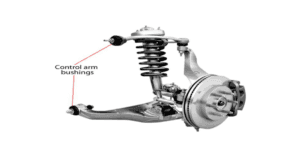 I didn’t pay much attention to bushings until my own car started feeling… off. The steering felt less precise, and every bump in the road seemed louder. After a quick inspection, my mechanic pointed straight at worn-out bushings.
That’s when I realized just how important these small, often overlooked components really are. In this guide, I’ll break down what bushings are, how they work, signs they’re failing, and how to choose the right ones, all in a simple, easy-to-understand way.
What Are Bushings on a Car?
Bushings (also called rubber bushings or suspension bushings) are small cushioning components made of rubber, polyurethane, or sometimes metal. They are installed between two metal parts to:
- Reduce vibration
- Absorb shocks
- Prevent metal-to-metal contact
- Improve ride comfort
You’ll find bushings in several key areas of your car:
- Suspension system
- Control arms
- Sway bars
- Engine mounts
- Steering components
Think of bushings like joints with padding; they allow movement while keeping everything stable and quiet.
Why Bushings Matter (More Than You Think)
At first glance, bushings might seem insignificant. But in reality, they play a huge role in:
- Ride comfort – Without them, every bump feels harsh
- Handling – Worn bushings reduce steering precision
- Noise control – They eliminate rattles and squeaks
- Component lifespan – Prevent excessive wear on metal parts
When mine started failing, I noticed increased vibration and a dull knocking sound over speed bumps. Replacing them made the car feel almost new again.
Types of Car Bushings
Here are the most common types you’ll encounter:
1. Suspension Bushings
These are the most important and widely used. They sit between suspension components and the chassis.
2. Control Arm Bushings
Help maintain wheel alignment and absorb shocks during driving.
3. Sway Bar Bushings
Reduce body roll when cornering.
4. Engine Mount Bushings
Keep the engine stable and reduce vibration transferred to the cabin.
5. Shock Absorber Bushings
Allow smooth operation of shocks and struts.
Comparison Table: Rubber vs Polyurethane Bushings
| Feature | Rubber Bushings | Polyurethane Bushings |
| Comfort | Very smooth & quiet | Slightly stiffer |
| Durability | Moderate | High |
| Noise Level | Low | Slightly higher |
| Performance | Standard driving | Better handling |
| Cost | Affordable | More expensive |
| Maintenance | Low | May require lubrication |
| Best For | Daily driving | Performance/enthusiast cars |
My take: If you want comfort, go with rubber. If you want sharper handling, polyurethane is worth considering.
Signs Your Car Bushings Are Worn Out
This is where things get practical. Here are the most common symptoms I’ve personally experienced and confirmed:
1. Clunking or Knocking Sounds
Especially when going over bumps or potholes.
2. Increased Vibration
You’ll feel more road vibration through the steering wheel or seat.
3. Loose Steering Feel
The car may feel less responsive or “floaty.”
4. Uneven Tire Wear
Bad bushings can throw off alignment.
5. Visible Cracks or Damage
If you inspect them, worn bushings often look cracked or brittle.
What Causes Bushings to Wear Out?
Bushings don’t last forever. Here’s what wears them down:
- Heat and engine exposure
- Road debris and dirt
- Oil or fluid leaks
- Age and mileage
- Rough roads (very common in many regions)
In my case, rough roads and heat were the biggest factors.
My Honest Experience Replacing Bushings
When I finally replaced my worn bushings, the difference was immediate:
- No more annoying clunking sounds
- Much smoother ride
- Better steering control
- Less cabin vibration
It honestly felt like driving a different car. The cost wasn’t too high, but the improvement was huge.
Buyer’s Guide: Choosing the Right Bushings
If you’re planning to replace your bushings, here’s what to consider:
1. Material Choice
- Rubber → Best for comfort and daily driving
- Polyurethane → Better for performance and durability
2. Vehicle Type
Different cars require specific bushings. Always check compatibility.
3. Driving Style
- City driving → Rubber
- Aggressive or sporty driving → Polyurethane
4. Budget
Rubber is cheaper upfront, but polyurethane may last longer.
5. Brand Quality
Avoid cheap, low-quality bushings; they wear out quickly.
6. Installation
Some bushings are easy to replace, while others require professional tools.
Cost of Replacing Bushings
Here’s a general idea:
- Parts cost: $20 – $150 per set
- Labor cost: $100 – $400, depending on complexity
Some bushings (like control arm bushings) can be labor-intensive.
Maintenance Tips to Extend Bushing Life
Want your bushings to last longer? Here’s what worked for me:
- Avoid rough driving when possible
- Fix oil leaks quickly
- Regularly inspect suspension components
- Keep the undercarriage clean
- Replace worn parts early
Long Detailed Expansion (Deep Dive)
Bushings play a crucial role in vehicle dynamics. They are designed to balance two opposing needs:
- Flexibility for movement
- Rigidity for stability
This balance is what keeps your car comfortable yet controllable.
How Bushings Affect Handling
When bushings are new, they maintain proper alignment between components. But as they wear:
- Suspension geometry shifts
- Steering becomes less precise
- Braking stability decreases
This is why even slightly worn bushings can noticeably affect driving quality.
Rubber vs Polyurethane in Real-World Driving
From my experience:
- Rubber bushings feel “factory smooth.”
- Polyurethane bushings feel “tight and sporty.”
However, polyurethane can transmit more vibration, which may not be ideal for daily commuting.
When Should You Replace Bushings?
There’s no fixed interval, but typically:
- 80,000 to 150,000 km (depending on conditions)
In harsher environments, they may wear out sooner.
Read More: Car Cooling Fan Repair
FAQs: What Are Bushings On A Car
1. What do bushings do in a car?
They absorb shocks, reduce vibration, and prevent metal parts from rubbing together.
2. How do I know if my bushings are bad?
Look for clunking noises, vibrations, and loose handling.
3. Can I drive with bad bushings?
Yes, but it’s not recommended. It affects safety and can damage other components.
4. Are polyurethane bushings better than rubber?
They’re more durable and improve handling, but may reduce comfort.
5. How long do bushings last?
Typically between 80,000 and 150,000 km.
6. Is replacing bushings expensive?
It depends on location and type, but generally moderate in cost.
7. Can I replace bushings myself?
Some are DIY-friendly, but many require special tools.
Final Thoughts
Car bushings might be small, but they make a huge difference in how your vehicle feels and performs. I learned this the hard way, ignoring them until the ride quality dropped significantly.
If your car feels noisy, rough, or unstable, don’t overlook the bushings. Replacing them is one of the simplest ways to restore comfort and control.