I’ll admit it, I used to ignore my engine oil completely. As long as the car started and ran, I assumed everything was fine. That mindset changed the day my engine started making a subtle ticking noise that slowly got worse.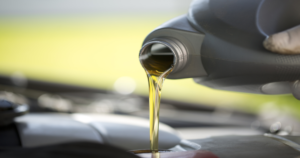 A quick check revealed the truth: my engine oil was dangerously low. That experience taught me something important: checking engine oil is one of the simplest yet most critical things you can do to keep your car healthy. And the best part? It takes less than 5 minutes.
In this guide, I’ll walk you through exactly how I check my engine oil, what I’ve learned from doing it wrong (yes, I’ve made mistakes), and how you can do it correctly even if you’ve never opened your hood before.
Why Checking Engine Oil Matters
Engine oil is the lifeblood of your car. It:
- Lubricates moving parts
- Reduces friction and heat
- Prevents engine wear
- Helps keep the engine clean
Driving with low or dirty oil can lead to serious engine damage and expensive repairs.
My First Attempt (And What I Did Wrong)
The first time I checked my oil, I:
- Did it right after turning off the engine
- Didn’t wipe the dipstick properly
- Misread the oil level
Result? I thought everything was fine until it wasn’t. Now I follow a simple, reliable method every time.
Step-by-Step: How I Check Engine Oil
Step 1: Park on Level Ground
This is crucial. If your car is on a slope, the reading won’t be accurate.
Step 2: Turn Off the Engine and Wait
I usually wait about 5–10 minutes after turning off the engine. This allows the oil to settle back into the oil pan.
Step 3: Open the Hood
Locate the hood release lever (usually under the dashboard), then secure the hood with the support rod or hydraulic struts.
Step 4: Find the Dipstick
The dipstick usually has a bright handle (yellow or orange) and is easy to spot.
Step 5: Pull and Clean the Dipstick
- Pull it out completely
- Wipe it clean with a cloth or paper towel
This removes oil splashes that can give a false reading.
Step 6: Reinsert and Pull Again
- Push the dipstick all the way back in
- Pull it out again to check the level
Now you’ll get the accurate reading.
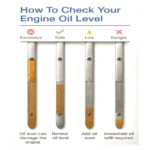
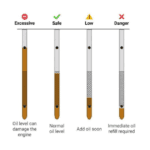
Step 7: Read the Oil Level
Look for:
- Min and Max marks
- Oil should be between these marks
If it’s below the minimum, you need to add oil.
Step 8: Check Oil Condition
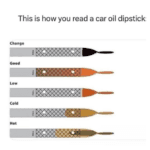
This is something many people skip, but it’s important. Healthy oil:
- Amber or light brown
- Smooth texture
Bad oil:
- Dark/black
- Gritty or thick
Comparison Table: Engine Oil Checking Methods
| Method | Accuracy | Difficulty | Time Required | Best For |
| Dipstick (Manual) | Very High | Easy | 5 minutes | Most vehicles |
| Electronic Oil Monitor | High | Very Easy | Instant | Modern cars |
| Workshop Inspection | Extremely High | None | 30–60 mins | Detailed diagnostics |
What I Learned Over Time
After regularly checking my oil, I noticed:
- My engine runs smoother
- Fuel efficiency improved slightly
- I caught leaks early
- I avoided major repair costs
It’s one of those small habits that pays off big.
Signs Your Engine Oil Needs Attention
Watch out for:
- Engine warning light
- Knocking or ticking sounds
- Dark, dirty oil
- Burning smell
- Poor engine performance
If you notice these, check your oil immediately.
How Often Should You Check Engine Oil?
From my experience:
- Once a month is a safe routine
- Before long trips
- After oil changes (to monitor levels)
Older cars may need more frequent checks.
Buyer’s Guide: Choosing the Right Engine Oil
Checking oil is only half the job; you also need the right oil when topping up.
1. Viscosity Grade
You’ll see numbers like:
- 5W-30
- 10W-40
These indicate how the oil flows at different temperatures. Always follow your car manufacturer’s recommendation.
2. Oil Type
- Conventional Oil: Cheapest, basic protection
- Synthetic Oil: Best performance and longevity
- Semi-Synthetic: Balanced option
3. Climate Consideration
In hotter climates:
- Slightly thicker oil may perform better
In colder climates:
- Thinner oil improves cold starts
4. Brand Quality
Stick to trusted brands. Cheap oil can:
- Break down faster
- Offer less protection
5. Additives and Certifications
Look for:
- API certification
- Manufacturer approvals
These ensure quality and compatibility.
Common Mistakes to Avoid
I’ve made some of these myself:
- Checking oil on an uneven surface
- Not waiting after engine shutdown
- Misreading dipstick marks
- Overfilling oil (yes, this is bad too)
- Ignoring oil color and condition
What Happens If You Don’t Check Engine Oil?
This is where things get serious. Neglecting oil checks can lead to:
- Engine overheating
- Increased wear and tear
- Sludge buildup
- Complete engine failure
And trust me, engine repairs are not cheap.
Topping Up Engine Oil (Quick Overview)
If your oil is low:
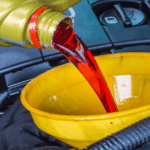
- Locate the oil filler cap
- Add small amounts gradually
- Recheck with a dipstick
- Don’t exceed the max line
Simple, but important.
Long-Term Benefits (From My Experience)
After making oil checks a habit:
- My car feels more reliable
- Maintenance costs dropped
- I have peace of mind
It’s one of the easiest ways to extend engine life.
Read More: Car Expansion Valve Stuck Open Symptoms
FAQs: How Do I Check Engine Oil
1. Can I check engine oil when the engine is hot?
You can, but it’s best to wait 5–10 minutes after turning it off for accurate results.
2. How often should I check my engine oil?
At least once a month or before long trips.
3. What if my oil level is too high?
Overfilling can damage the engine. You may need to drain excess oil.
4. What color should engine oil be?
Clean oil is amber. Dark oil may indicate it’s time for a change.
5. Do all cars have a dipstick?
Most do, but some modern cars use electronic oil monitoring systems.
6. Can I drive with low engine oil?
It’s risky and can cause serious engine damage. Top it up immediately.
7. Why is my engine oil disappearing?
Possible reasons include leaks or burning oil inside the engine.
8. Should I check oil before or after driving?
Before driving or after letting the engine cool down slightly.
9. Is synthetic oil better?
Yes, it generally offers better protection and lasts longer.
10. How long does it take to check engine oil?
Usually less than 5 minutes.
Final Thoughts
Checking engine oil isn’t just a maintenance task; it’s a smart habit. From my personal experience:
- It’s quick and easy
- Anyone can do it
- It prevents costly repairs
If you’re not already doing it regularly, now’s the time to start. Your engine will thank you.