If you’ve ever tapped your car bumper lightly while parking (we’ve all been there), you’ve probably wondered what exactly this thing is made of. It feels sturdy, slightly flexible, and surprisingly resilient.
Modern car bumpers are not just chunks of random plastic. They’re engineered materials designed to absorb impact, resist weather, and keep repair costs manageable.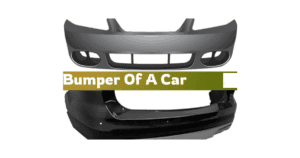 After spending years around vehicles and dealing with everything from minor scratches to full bumper replacements, I’ve come to appreciate just how important the material choice really is.
In this guide, I’ll break down:
- The types of plastic used in car bumpers
- How they compare
- What it means for durability, repair, and cost
- A buyer’s guide if you’re replacing or upgrading your bumper
Let’s get into it.
What Plastic Are Car Bumpers Made Of?
Most modern car bumpers are made from thermoplastics, specifically:
1. Polypropylene (PP) – The Most Common
This is the king of bumper materials.
- Lightweight
- Flexible
- Resistant to chemicals and moisture
- Affordable
It’s often blended with other materials (like rubber) to improve flexibility and impact resistance.
👉 You’ll usually see it labelled as “PP” or “PP+EPDM” on the back of a bumper.
2. Thermoplastic Olefins (TPO)
A blend of polypropylene, rubber, and fillers.
- More flexible than pure PP
- Excellent impact absorption
- Good weather resistance
This is widely used in modern vehicles for both front and rear bumpers.
3. Polycarbonate (PC) Blends
Often combined with ABS (Acrylonitrile Butadiene Styrene).
- Stronger and more rigid
- Better heat resistance
- Used in higher-end or performance vehicles
4. Acrylonitrile Butadiene Styrene (ABS)
Less common for full bumpers, but used in components.
- Tough and rigid
- Good surface finish
- Easier to paint
Comparison Table: Common Bumper Plastics
| Material | Flexibility | Impact Resistance | Cost | Ease of Repair | Common Use |
| Polypropylene (PP) | High | High | Low | Moderate | Most cars |
| TPO | Very High | Very High | Medium | Moderate | Modern vehicles |
| PC + ABS | Medium | High | High | Harder | Premium cars |
| ABS | Low-Medium | Medium | Medium | Easy | Trim parts |
Why Plastic Instead of Metal?
Older cars used steel bumpers, but plastics took over for good reasons:
1. Impact Absorption
Plastic flexes and absorbs energy better than metal, reducing damage in minor collisions.
2. Lightweight Design
Better fuel efficiency and handling.
3. Lower Repair Costs
Plastic is cheaper to replace than metal bodywork.
4. Design Flexibility
Automakers can create sleek, aerodynamic shapes easily.
My Personal Take (From Experience)
After dealing with multiple bumper repairs and replacements, here’s what I’ve noticed:
- PP and TPO bumpers are incredibly forgiving; they bend and bounce back from minor hits.
- Scratches happen easily, but cracks are less common unless the impact is strong.
- Cheaper aftermarket bumpers often feel thinner and less durable than OEM ones.
- Heat (especially in hot climates) can slightly warp low-quality plastic over time.
If durability matters to you, always check the material composition.
How to Identify Your Bumper Material
Flip your bumper (or check inside edges), and you’ll often see markings like:
- PP → Polypropylene
- TPO → Thermoplastic Olefin
- ABS → Acrylonitrile Butadiene Styrene
This is super helpful if you’re planning repairs or repainting.
Buyer’s Guide: Choosing the Right Bumper
If you’re replacing your bumper, here’s what to consider:
1. OEM vs Aftermarket
OEM (Original Equipment Manufacturer):
- Perfect fit
- Higher quality material
- More expensive
Aftermarket:
- Cheaper
- Quality varies
- May need adjustments
👉 My advice: For newer or premium cars, go OEM. For older cars, a high-quality aftermarket bumper can save money.
2. Material Quality
Look for:
- PP+EPDM or TPO blends (best balance)
- Avoid overly thin plastic
- Check reviews if buying online
3. Paint Compatibility
Some plastics require special primers.
ABS is easier to paint than PP.
4. Climate Considerations
- Hot climates → choose heat-resistant materials (TPO, PC blends)
- Cold climates → flexible materials prevent cracking (PP, TPO)
5. Repair vs Replace
Repair if:
- Small cracks or dents
- Paint damage only
Replace if:
- Large cracks
- Mounting points broken
Long-Form Insight: How Bumper Plastics Perform Over Time
Daily Wear and Tear
Bumpers deal with:
- UV rays
- Rain and humidity
- Dust and debris
- Minor impacts
PP and TPO handle these conditions exceptionally well, which is why they dominate the market.
Heat and Sun Exposure
In hot regions, plastic can:
- Fade
- Become slightly brittle
- Lose gloss
Tip: Use UV protectant sprays regularly.
Minor Accidents
Plastic bumpers are designed for:
- Low-speed impacts
- Parking bumps
- Small collisions
Instead of denting permanently like metal, they often flex and return to shape.
Environmental Impact
Modern bumper plastics are:
- Recyclable (in many cases)
- Designed for easier replacement
However, improper disposal can still be an issue.
Pros and Cons of Plastic Bumpers
Pros
✔ Lightweight
✔ Cost-effective
✔ Flexible and impact-resistant
✔ Easy to manufacture
Cons
✘ Can scratch easily
✘ May crack under strong impact
✘ Paint can chip over time
Read More: How Much Are Car Rotors
FAQs: What Plastic Are Car Bumpers Made Of
1. Are all car bumpers made of plastic?
Yes, almost all modern cars use plastic bumpers, typically polypropylene or TPO.
2. What is the strongest plastic for bumpers?
Polycarbonate blends (PC + ABS) are among the strongest, but TPO offers the best balance of strength and flexibility.
3. Can plastic bumpers be repaired?
Yes! Small cracks and dents can be repaired using plastic welding or fillers.
4. Why do bumpers crack instead of bend sometimes?
Extreme force, cold temperatures, or low-quality plastic can cause cracking instead of flexing.
5. Is it cheaper to repair or replace a bumper?
Minor damage → repair is cheaper.
Major damage → replacement is often better.
6. Do plastic bumpers rust?
No, this is one of their biggest advantages over metal bumpers.
7. How long do plastic bumpers last?
With proper care, they can last the lifetime of the vehicle.
Final Thoughts
Car bumpers may look simple, but the materials behind them are carefully engineered for performance, safety, and cost efficiency. In most cases, polypropylene and TPO dominate for a reason: they strike the perfect balance between flexibility, durability, and affordability.
From personal experience, investing in a high-quality bumper material makes a noticeable difference in how well your car handles everyday bumps and long-term wear.
If you’re choosing a replacement, don’t just look at price; look at the material. It’s the difference between a bumper that lasts years and one that cracks after the first hit.