If you’ve ever rolled up your car window only to hear an annoying whistle or, worse, noticed water sneaking inside during rain, you already know how important window seals are. I learned this the hard way after ignoring a small crack in a rubber hose that turned into a full-on leak during monsoon season.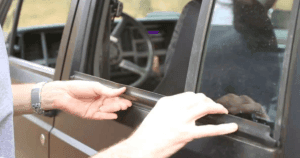 Not fun. Car window seals might seem like a minor detail, but they play a huge role in keeping your ride comfortable, quiet, and protected from the elements.
Whether you’re dealing with wind noise, water leaks, or worn-out rubber, this guide covers everything you need to know about car window seal repair, from DIY fixes to full replacements.
Let’s break it down practically.
What Is a Car Window Seal?
A car window seal is the rubber lining that runs along the edges of your car windows. It serves several important purposes:
- Keeps water, dust, and debris out
- Reduces wind noise at high speeds
- Provides a snug fit for smooth window operation
- Protects internal door components from moisture damage
Over time, these seals wear out due to heat, UV exposure, dirt buildup, and regular use.
Signs Your Car Window Seal Needs Repair
From personal experience, these issues creep in slowly. Here’s what to watch for:
- Whistling noise when driving
- Water leakage during rain or washing
- Visible cracks or brittle rubber
- The window is not sealing properly
- Increased cabin dust
If you notice any of these, it’s time to act before the problem worsens.
Repair vs Replacement: What Should You Choose?
Here’s a quick comparison to help you decide:
| Factor | Repair | Replacement |
| Cost | Low ($10–$50) | Medium ($50–$300) |
| Time Required | 30–60 minutes | 1–3 hours |
| Skill Level | Beginner-friendly | Moderate |
| Durability | Temporary fix | Long-term solution |
| Best For | Minor cracks, loose seals | Severe damage, aging seals |
My take: If the seal is only slightly damaged, repair works fine. But if it’s brittle or shrinking, replacement is the smarter investment.
Common Causes of Window Seal Damage
Understanding the cause helps prevent repeat problems:
- Sun exposure (especially in hot climates)
- Aging rubber loses flexibility
- Improper cleaning chemicals
- Dust and debris abrasion
- Frequent window use
DIY Car Window Seal Repair (Step-by-Step)
I’ve tried this method myself, and it works surprisingly well for minor issues.
Tools You’ll Need:
- Silicone sealant or rubber adhesive
- Clean cloth
- Mild soap solution
- Plastic trim tool (optional)
Steps:
- Clean the Area
Remove dirt and grease with soap and water. - Inspect the Damage
Look for cracks, gaps, or loose sections. - Apply Sealant
Use a thin layer of silicone on cracks or gaps. - Smooth It Out
Use your finger or a tool to spread evenly. - Let It Cure
Wait 12–24 hours before using the window.
Pro tip: Avoid over-applying sealant, as it can make the seal stiff.
When You Should Replace the Seal
Repair won’t cut it if:
- The rubber is hardened or brittle
- Large chunks are missing
- The seal has shrunk or warped
- Water leakage is severe
In these cases, replacement is the only reliable solution.
Cost of Car Window Seal Repair
Here’s a realistic cost breakdown:
| Service Type | Estimated Cost |
| DIY Repair | $10–$50 |
| Professional Repair | $50–$120 |
| Full Replacement (per window) | $100–$300 |
| Luxury Vehicles | $300–$600 |
Prices vary depending on vehicle type and labor costs in your area.
My Personal Experience
I once tried to ignore a tiny crack in my driver-side window seal. It started as a faint wind noise, but after a few weeks, rainwater began dripping inside.
I ended up doing a DIY fix first; it worked for a couple of months, but eventually, I had to replace the seal. Lesson learned: don’t wait too long.
Buyer’s Guide: Choosing the Right Window Seal
If you’re planning to replace your seal, here’s what to consider:
1. Material Quality
Look for EPDM rubber, it’s durable and weather-resistant.
2. Compatibility
Always check if the seal matches your car’s make and model.
3. OEM vs Aftermarket
- OEM (Original Equipment Manufacturer): Perfect fit, more expensive
- Aftermarket: Cheaper, but quality varies
4. Ease of Installation
Some seals come pre-molded for easy installation.
5. Weather Resistance
Essential if you live in humid or rainy climates.
Tips to Extend Window Seal Life
A little maintenance goes a long way:
- Clean seals regularly with mild soap
- Apply rubber conditioner every few months
- Park in shaded areas when possible
- Avoid harsh chemicals
- Keep windows free from debris
Long-Term Impact of Ignoring Seal Damage
Ignoring damaged seals can lead to:
- Interior water damage
- Mold and bad odors
- Electrical issues in door panels
- Increased cabin noise
- Reduced resale value
Trust me, it’s cheaper to fix early than to deal with these problems later.
Repair Kits vs Professional Service
| Option | Pros | Cons |
| DIY Kits | Affordable, quick | Temporary fix |
| Professional Repair | Reliable, clean finish | Higher cost |
| Replacement | Long-lasting | Time-consuming |
FAQs: Car Window Seal Repair
1. Can I repair a car window seal myself?
Yes, minor cracks and gaps can be fixed using silicone sealant or adhesive.
2. How long does a repair last?
DIY repairs typically last a few months to a year, depending on conditions.
Read More: What Does A Gearbox Do In A Car
3. Is it safe to drive with a damaged seal?
Yes, but it can lead to water damage and noise issues over time.
4. How do I know if I need a replacement?
If the seal is brittle, shrinking, or heavily cracked, it must be replaced.
5. Does weather affect window seals?
Absolutely. Heat, UV rays, and humidity accelerate wear and tear.
6. Can I use any sealant?
Do not use automotive-grade silicone or rubber sealant for best results.
7. How long does replacement take?
Typically, 1–3 hours depending on the vehicle.
8. Are aftermarket seals reliable?
Some are, but always check reviews and material quality.
Final Thoughts
Car window seal repair might not be the most exciting maintenance task, but it’s one of those small fixes that can make a big difference. From reducing noise to preventing water damage, a good seal keeps your driving experience comfortable and stress-free.
If you catch the problem early, a simple DIY repair can save you money. But if the damage is beyond repair, don’t hesitate to replace it; it’s worth it in the long run.