When I first started learning more about vehicle security and engine diagnostics, one small component kept popping up: the engine hood switch. At first glance, it seems like a tiny, almost insignificant part.
But after digging deeper and dealing with a faulty one on a vehicle alarm system, I realized just how important this little switch can be.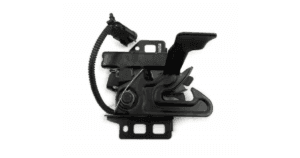 The engine hood switch plays a critical role in your car’s security system, alarm monitoring, and even some engine diagnostics. If it doesn’t perform well, you might experience false alarms, warning lights, or security vulnerabilities.
In this detailed guide, I’ll walk you through:
- What an engine hood switch actually does
- How hood switch performance affects your car
- Signs of a failing hood switch
- My personal experience testing a few different models
- A comparison table of popular hood switch types
- A complete buyer’s guide
- Frequently asked questions
Whether you’re a car owner, DIY mechanic, or automotive blogger researching components, this guide will help you understand engine hood switch performance and how to choose the best one.
What Is an Engine Hood Switch?
An engine hood switch (sometimes called a hood pin switch) is a small electrical switch mounted near the hood latch or frame of your car. Its main purpose is to detect whether the car hood is open or closed.
When the hood opens, the switch changes its electrical state and sends a signal to the vehicle’s:
- Security system
- Alarm system
- Engine control module (in some cars)
- Remote start system
Why It Matters
A properly functioning hood switch ensures:
✔ Accurate hood-open detection
✔ Proper alarm triggering
✔ Safe remote start operation
✔ Protection from tampering
Without it, your vehicle’s security system may fail to detect intrusion under the hood.
My Experience With Hood Switch Performance
I first encountered hood switch issues when installing an aftermarket alarm system on a sedan. At first, everything seemed fine until the alarm started randomly triggering at night.
After troubleshooting several things, I discovered the problem was a poorly performing hood switch.
What went wrong?
- The switch had weak spring tension.
- It didn’t make consistent electrical contact.
- Rainwater caused corrosion
After replacing it with a higher-quality switch, the false alarms completely stopped. That experience made me realize something important:
Hood switch performance depends heavily on build quality, mounting design, and weather resistance.
Types of Engine Hood Switches
Not all hood switches are the same. They generally fall into a few categories.
1. Mechanical Pin Switch
The most common type. When the hood closes, it pushes down a spring-loaded pin that closes the electrical circuit.
Pros:
- Simple
- Affordable
- Easy to install
Cons:
- Can corrode
- Mechanical wear over time
2. Magnetic Hood Switch
Uses magnets instead of physical contact.
Pros:
- No mechanical wear
- Better durability
Cons:
- Slightly more expensive
- Needs precise alignment
3. OEM Integrated Switch
Some modern vehicles integrate hood switches directly into the hood latch assembly.
Pros:
- Highly accurate
- Built into factory electronics
Cons:
- Expensive replacement
Engine Hood Switch Performance Comparison
| Feature | Basic Pin Switch | Heavy-Duty Pin Switch | Magnetic Hood Switch |
| Price Range | $5 – $10 | $10 – $20 | $15 – $30 |
| Durability | Moderate | High | Very High |
| Weather Resistance | Low | Moderate | High |
| Installation Difficulty | Easy | Easy | Medium |
| Corrosion Risk | High | Medium | Very Low |
| Alarm Compatibility | Universal | Universal | Universal |
| Best Use Case | Budget installs | Daily drivers | Premium security systems |
Key Factors That Affect Hood Switch Performance
Several factors determine whether a hood switch works reliably.
1. Contact Quality
Poor contact inside the switch leads to:
- Intermittent signals
- False alarms
- System errors
High-quality switches use gold-plated or corrosion-resistant contacts.
2. Spring Tension
A weak spring may fail to detect when the hood closes completely. Symptoms include:
- Alarm triggering randomly
- Hood open warning on dashboard
Good switches maintain strong spring pressure over time.
3. Weather Resistance
Because hood switches sit inside the engine bay, they are exposed to:
- Heat
- Moisture
- Dirt
- Road salt
Water-resistant switches last much longer.
4. Mounting Stability
Loose mounting can cause vibration, leading to a poor electrical connection. Look for switches with:
- Solid metal brackets
- Adjustable mounting threads
Signs Your Engine Hood Switch Is Failing
If you notice any of the following symptoms, your hood switch might be going bad.
Random Alarm Activation
The alarm triggers even when no one touches the vehicle.
Hood Open Warning on Dashboard
Your car shows a hood open warning even when the hood is closed.
Remote Start Not Working
Many remote start systems refuse to activate if the hood switch reads “open”.
Corrosion or Rust
Visible rust around the switch pin or wiring connector.
How to Test Engine Hood Switch Performance
Testing a hood switch is actually pretty simple.
Tools Needed
- Multimeter
- Screwdriver
Testing Steps
- Open the hood.
- Locate the hood switch near the latch.
- Disconnect the wire connector.
- Use a multimeter to check continuity.
- Press the switch manually.
Expected Results
- Pressed: Circuit closed
- Released: Circuit open
If the readings are inconsistent, the switch likely needs replacement.
Installing a New Engine Hood Switch
Replacing a hood switch is usually a quick DIY job.
Installation Steps
- Disconnect the battery.
- Remove the old hood switch.
- Mount the new switch in the same location.
- Connect the wiring harness.
- Adjust the height so the hood presses it fully.
- Test alarm system functionality.
The entire process usually takes 10–20 minutes.
Buyer’s Guide: Choosing the Best Engine Hood Switch
If you’re shopping for a replacement hood switch, here are the most important things to consider.
1. Compatibility
Make sure the switch works with your vehicle’s:
- Alarm system
- Remote start
- ECU monitoring
OEM compatibility is ideal.
2. Material Quality
Look for:
- Stainless steel pins
- Rubber weather seals
- Corrosion-resistant housing
3. Weather Protection
Because the switch sits in the engine bay, choose one rated for:
- High temperatures
- Water exposure
- Road debris
4. Adjustable Height
Some switches allow you to adjust the pin height to match different hood designs. This ensures proper contact when the hood closes.
5. Brand Reliability
Cheap, no-name switches can fail quickly. Better brands focus on:
- stronger springs
- better wiring
- corrosion resistance
Maintenance Tips for Hood Switch Longevity
Keeping the hood switch in good shape is easy.
Clean the Switch Periodically
Use electrical contact cleaner.
Check Mounting Tightness
Loose mounting leads to inconsistent signals.
Apply Dielectric Grease
Prevents moisture corrosion on connectors.
Pros and Cons of Engine Hood Switch Systems
Pros
✔ Improves vehicle security
✔ Required for remote start safety
✔ Prevents engine bay tampering
✔ Cheap and easy to replace
Cons
✘ Can corrode over time
✘ Sensitive to dirt and moisture
✘ Cheap models fail quickly
Who Should Upgrade Their Hood Switch?
You should consider upgrading if:
- Your car alarm triggers randomly
- You installed an aftermarket alarm
- Your remote start fails frequently
- Your vehicle is older than 8 years
In many cases, a $10 switch fixes major security problems.
Read More: Car Cooling Fan Repair
FAQs: Engine Hood Switch Performance | My Honest Experience
What does an engine hood switch do?
It detects whether your car hood is open or closed and sends a signal to the vehicle’s alarm or security system.
Can a bad hood switch cause alarm problems?
Yes. A faulty hood switch is one of the most common causes of false car alarms.
Where is the hood switch located?
Usually near the hood latch or radiator support area inside the engine bay.
Can I drive with a broken hood switch?
Yes, but it may disable:
- alarm system functions
- remote start systems
How much does a hood switch cost?
Typical price ranges:
- Basic switch: $5 – $10
- Heavy-duty switch: $10 – $20
- Magnetic switch: $15 – $30
Is replacing a hood switch difficult?
No. Most replacements take less than 20 minutes with basic tools.
Do all cars have hood switches?
No. Some older vehicles and budget models may not include one unless an aftermarket alarm system is installed.
Final Thoughts: Is Hood Switch Performance Really Important?
After dealing with faulty switches myself, I can confidently say yes, it matters more than most people realize. A well-performing engine hood switch ensures:
- Accurate alarm triggering
- Remote start safety
- Proper hood monitoring
- Reduced false alarms
Considering the low cost and easy installation, upgrading to a high-quality hood switch is one of the simplest ways to improve your vehicle’s security system.
If your alarm behaves strangely or your remote start fails, the hood switch might be the small part causing a big problem.