If you’ve ever heard a car roar down the street like a race car, chances are it had a modified or missing muffler. I didn’t fully understand what a muffler did until I drove an older car with a rusted-out exhaust. It was loud.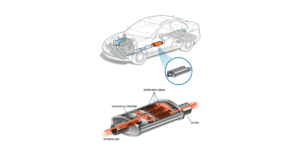 Not cool, loud just headache loud. That experience made me appreciate what this underrated component actually does. The muffler is one of those parts most drivers never think about until it fails.
So what does a car muffler do? In simple terms, A car muffler reduces the noise created by your engine’s exhaust gases while helping maintain proper exhaust flow. But there’s much more to it than that.
In this complete guide, we’ll cover:
- How a muffler works
- Why it matters
- The science behind exhaust noise
- Different types of mufflers
- Performance vs quiet setups
- A comparison table
- A buyer’s guide
- Common problems
- FAQs
Let’s break it down.
What Exactly Is a Car Muffler?
A muffler is part of your vehicle’s exhaust system. It’s usually located near the rear of the car and connects to the exhaust pipe. The exhaust system typically includes:
- Exhaust manifold
- Catalytic converter
- Resonator
- Muffler
- Tailpipe
Cars like the Toyota Camry, Ford F-150, and Honda Civic all rely on mufflers, though their designs vary.
What Does a Car Muffler Do?
Here are the main functions:
1. Reduces Engine Noise
Engines create thousands of small explosions per minute. These explosions push exhaust gases out of the engine at high pressure. Without a muffler, your car would sound like a small aircraft.
The muffler reduces this noise by:
- Redirecting sound waves
- Canceling sound frequencies
- Absorbing sound energy
2. Controls Exhaust Backpressure
A muffler isn’t just about sound. It also influencesthe backpressure that the resistance exhaust gases face when exiting the system.
Too much backpressure:
- Reduces engine performance
Too little:
- Can reduce low-end torque
Manufacturers carefully design mufflers to balance both.
3. Directs Exhaust Safely Away
The muffler also helps route exhaust gases safely out of the vehicle and away from passengers.
How Does a Muffler Work? (Simple Explanation)
Inside a muffler are:
- Tubes
- Chambers
- Baffles
- Perforated pipes
- Sound-absorbing materials
When exhaust gases enter:
- Sound waves bounce around internal chambers.
- Some sound waves cancel each other out.
- Others are absorbed.
- Reduced-noise exhaust exits the tailpipe.
Think of it like noise-canceling headphones but for your engine.
Types of Mufflers (With Comparison Table)
There isn’t just one kind of muffler. Here’s a clear breakdown:
| Muffler Type | Sound Level | Performance Impact | Best For | Price Range |
| Chambered | Moderate | Balanced | Daily drivers | $199 |
| Turbo | Quiet | Slight restriction | Comfort driving | $117 |
| Straight-Through (Glasspack) | Loud | High flow | Performance cars | $150 |
| Performance Muffler | Deep aggressive | Improved flow | Sports builds | $99 |
| Stock/OEM | Very quiet | Factory tuned | Everyday reliability | $154 |
1. Chambered Mufflers
Use internal chambers to reflect sound waves. Common in muscle cars.
Pros:
- Deep tone
- Balanced performance
Cons:
- Slightly louder than stock
2. Turbo Mufflers
Despite the name, they’re not for turbochargers specifically. They:
- Use S-shaped internal passages
- Offer quieter operation
Great for commuters.
3. Straight-Through (Glasspack)
Minimal restriction. Often used on modified vehicles. Louder and more aggressive.
4. Performance Mufflers
Designed to maximize airflow while enhancing sound. Brands like Flowmaster and MagnaFlow are well-known in this space.
My Personal Experience With Mufflers
I once installed a performance muffler on a compact sedan, expecting race car vibes.
What I got:
- Deeper tone
- Noticeably louder highway noise
- Slight throttle improvement
It sounded great at first, but long drives became tiring. Lesson learned:
Choose based on how you actually drive, not just sound preference.
Does a Muffler Affect Performance?
Short answer: Yes, but modestly. High-flow mufflers can:
- Improve exhaust efficiency
- Slightly increase horsepower
- Improve throttle response
However, gains are usually small unless combined with other upgrades.
What Happens If You Remove the Muffler?
Some drivers consider a “muffler delete.” Consequences include:
- Extremely loud noise
- Possible legal issues
- Reduced resale value
- Potential engine tuning imbalance
In many regions, driving without a muffler is illegal.
Signs Your Muffler Is Bad
Here’s what to watch for:
- Loud rumbling noise
- Rattling sound
- Decreased fuel efficiency
- Exhaust smell
- Visible rust or holes
- Check engine light
Rust is the most common killer of mufflers.
How Long Does a Muffler Last?
Average lifespan:
5–7 years (varies by climate)
Salted winter roads accelerate corrosion.
Muffler vs Resonator: What’s the Difference?
Many people confuse the two. Muffler:
- Reduces overall noise
Resonator:
- Fine-tunes sound tone
Some cars use both.
Buyer’s Guide: How to Choose the Right Muffler
If you’re shopping for one, here’s what matters most:
1. Vehicle Compatibility
Always confirm fitment for your specific vehicle model.
2. Sound Preference
Ask yourself:
Do you want:
- Quiet and comfortable?
- Deep and sporty?
- Loud and aggressive?
Be honest about your tolerance for noise.
3. Material Quality
Look for:
- Stainless steel (best durability)
- Aluminized steel (budget option)
4. Driving Style
Daily commuter?
Weekend racer?
Towing truck?
Match your muffler to your use case.
5. Budget
Typical price ranges:
- Budget: $50–$150
- Mid-range: $150–$300
- Premium: $300–$700+
Installation costs extra unless DIY.
Common Muffler Myths
Myth: Louder equals faster.
Not necessarily.
Myth: All mufflers reduce performance.
Modern performance mufflers can improve flow.
Myth: Mufflers and catalytic converters are the same.
They are completely different components.
Can a Muffler Improve Fuel Economy?
Indirectly, yes, if your old muffler was clogged or damaged. But installing a loud muffler won’t magically boost MPG.
Environmental Impact
While mufflers reduce noise pollution, emissions control is mainly handled by the catalytic converter.
Cost of Muffler Replacement
Parts:
$100–$500+
Labor:
$100–$300
Luxury or performance vehicles may cost more.
DIY or Mechanic?
DIY if:
- You have jack stands
- Basic mechanical skills
- Rust-free bolts
Mechanic if:
- Severe rust
- Welding required
- Unsure about fitment
Read More: How Do I Check My Oil In My Car
FAQs: What Does A Car Muffler Do
1. Is it safe to drive with a broken muffler?
Short term, usually yes. Long-term not recommended due to noise and exhaust leak risks.
2. Will a new muffler increase horsepower?
Slightly, if it improves exhaust flow.
3. Why is my car suddenly louder?
Possible muffler hole or exhaust leak.
4. Does a muffler affect gas mileage?
Only if severely damaged or clogged.
5. Can I pass inspection with a loud muffler?
Depends on local noise laws.
6. What’s the difference between a muffler and an exhaust?
The muffler is one part of the entire exhaust system.
7. Do electric cars have mufflers?
No. Electric vehicles don’t produce combustion exhaust noise.
8. How do I know which muffler fits my car?
Check manufacturer fitment guides or consult a mechanic.
9. Are performance mufflers worth it?
If you value sound and slight performance gains, yes. If you value quiet comfort, maybe not.
10. How can I make my muffler last longer?
- Avoid short trips
- Wash the undercarriage in winter
- Fix leaks early
Final Thoughts
The muffler may not be flashy, but it plays a huge role in your car’s comfort and performance. From reducing noise pollution to optimizing exhaust flow, it keeps your driving experience smooth and civil.
After dealing with a damaged exhaust firsthand, I can confidently say: you don’t appreciate a muffler until it’s gone. If your car is getting louder or your exhaust sounds rough, don’t ignore it.
A simple inspection today could save you from bigger repairs tomorrow.