Taking fuel out of a car tank isn’t something most drivers plan to do, but when you need to, you really need to. Maybe you put diesel in a gasoline car. Maybe the fuel has gone bad after sitting too long. Maybe you’re replacing a fuel pump.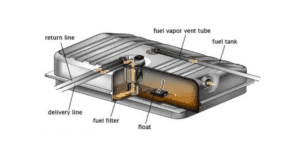 Or maybe you’re preparing a car for long-term storage. I’ve personally had to drain a tank after accidentally mixing fuel types (not a fun day), and I can tell you: doing it safely and correctly matters.
Gasoline is flammable, hazardous, and regulated in many areas, so you need the right method. This complete guide covers:
- When and why you might need to remove fuel
- Safe step-by-step methods
- Tools required
- Comparison of fuel removal techniques
- Safety precautions
- Buyer’s guide for pumps & equipment
- Long technical explanation
- FAQs
Let’s get into it.
When Would You Need to Take Fuel Out of a Car Tank?
Here are the most common reasons:
- Misfueling (diesel in a gas car or vice versa)
- Contaminated fuel (water or debris)
- Old gasoline sitting for months
- Fuel pump replacement
- Fuel tank repair
- Preparing a vehicle for shipping or storage
Removing fuel properly can save your engine from serious damage.
Is It Legal to Remove Fuel?
In most places, yes, but:
- You must store it safely.
- You cannot dump it improperly.
- You must follow local hazardous waste rules.
Never pour fuel on the ground or into drains.
3 Main Methods To Take Fuel Out Of a Car Tank
There are three primary approaches:
- Siphoning through the filler neck
- Using the fuel line
- Removing the fuel pump assembly
Let’s compare them.
Comparison Table: Fuel Removal Methods
| Method | Difficulty | Tools Needed | Risk Level | Best For | Recommended? |
| Manual Siphon Pump | Easy | Hand pump + container | Low | Small fuel amounts | ✅ Yes |
| Electric Transfer Pump | Moderate | Electric pump + battery | Medium | Full tank removal | ✅ Yes |
| Remove Fuel Pump | Hard | Mechanic tools | High | Major repairs | ⚠️ Only if necessary |
For most people, a manual or electric pump is the safest choice.
Method 1: Using a Manual Siphon Pump (Recommended for Most DIYers)
This is the easiest and safest way if your vehicle allows access through the filler neck.
What You’ll Need:
- Manual fuel siphon pump
- Approved fuel container
- Gloves
- Safety glasses
- Rags
- Fire extinguisher nearby
Step-by-Step Instructions:
- Park outside in a well-ventilated area.
- Turn off the engine completely.
- Insert the siphon hose into the fuel filler neck.
- Place the outlet hose into an approved fuel container.
- Pump manually until fuel starts flowing.
- Allow gravity to drain fuel into the container.
- Stop when the tank is empty or the desired level is reached.
⚠️ Never use your mouth to start a siphon.
Method 2: Using an Electric Fuel Transfer Pump
This works best for:
- Draining a full tank
- Vehicles with anti-siphon valves
- Faster removal
Tools Needed:
- 12V electric fuel transfer pump
- Car battery or external power source
- Fuel-safe hose
- Approved container
Process:
- Connectthe pump inlet hose to the tank.
- Attach the outlet hose to the container.
- Power the pump.
- Monitor flow carefully.
- Stop once empty.
This method is faster and cleaner.
Method 3: Removing Fuel Through Fuel Line (Advanced)
This method is usually required when:
- Tank has anti-siphon protection
- Pump replacement is happening
- Severe contamination exists
⚠️ This method requires mechanical knowledge.
Basic Steps:
- Disconnect the battery.
- Relieve fuel system pressure.
- Locate the fuel line near the engine.
- Disconnect safely.
- Attach the hose to the drain container.
- Briefly activate fuel pump (if safe to do so).
Improper handling can cause fire or injury.
Important Safety Precautions
Fuel removal is risky. Always:
- Work outdoors
- Avoid sparks and open flames
- Wear gloves and eye protection
- Keep a fire extinguisher nearby
- Store fuel in approved containers only
- Avoid static electricity buildup
Gasoline vapors are extremely flammable.
What About Modern Cars With Anti-Siphon Devices?
Many newer vehicles include:
- Anti-siphon screens
- Rollover valves
- Narrow filler neck designs
If the siphon hose won’t reach the fuel:
You may need:
- Thinner hose
- Access via the fuel pump opening
- Professional assistance
Buyer’s Guide: Choosing the Right Fuel Transfer Equipment
If you plan to remove fuel, invest in proper tools.
1. Manual vs Electric Pump
Manual Pump
- Cheap
- Simple
- No power required
- Slower
Electric Pump
- Faster
- Less effort
- Good for large volumes
- More expensive
For occasional use, a manual is fine. For frequent use, electric is worth it.
2. Hose Material
Ensure hoses are:
- Fuel-resistant
- Anti-static
- Rated for gasoline or diesel
Cheap plastic tubing can degrade quickly.
3. Approved Fuel Containers
Use:
- Red containers for gasoline
- Yellow for diesel
Look for:
- Sealed cap
- Spill-proof design
- Vent control
4. Flow Rate
Electric pumps vary in speed:
- 2–3 gallons per minute (basic)
- 5+ gallons per minute (heavy duty)
Choose based on tank size.
What To Do With Removed Fuel
If fuel is:
Clean and Fresh:
- Store safely
- Reuse in an appropriate vehicle
Contaminated or Old:
- Take the hazardous waste facility
- Many auto shops accept old fuel
Never dump it illegally.
Deep Technical Explanation
Modern vehicles have:
- In-tank electric fuel pumps
- Pressurized fuel systems
- EVAP systems to control vapors
Draining improperly can:
- Damage EVAP components
- Trigger the check engine lights
- Cause fuel system airlock
That’s why professional removal is recommended if you’re unsure.
How Much Does Professional Fuel Removal Cost?
If done at a shop:
| Service Type | Average Cost |
| Misfuel Drain | $200–$500 |
| Full Tank Removal | $300–$800 |
| Tank Removal (labor-intensive) | $500–$1,500 |
Costs depend on vehicle and fuel type.
Common Mistakes to Avoid
- Using a mouth siphon
- Draining indoors
- Using non-approved containers
- Ignoring anti-siphon systems
- Smoking nearby
- Running the engine after misfueling
How Long Does It Take?
- Manual pump: 20–45 minutes
- Electric pump: 10–20 minutes
- Tank removal: 2–5 hours
Read More: What Are Car Rotors
FAQs: How To Take Fuel Out of a Car Tank
1. Can I siphon fuel from any car?
Not always. Some have anti-siphon protection.
2. Is it safe to drain fuel myself?
Yes, if done carefully outdoors with proper tools.
3. Can I reuse drained gasoline?
If uncontaminated and fresh, yes.
4. What happens if I put diesel in a gas car?
Do NOT start the engine. Drain immediately.
5. Can I remove fuel without a pump?
Only if accessing fuel lines is more risky.
6. How do I know fuel is contaminated?
Cloudy appearance or water separation.
7. Can I store gasoline long-term?
Up to 3–6 months without a stabilizer.
8. Should I disconnect the battery?
Yes, especially if working near fuel lines.
9. What container should I use?
DOT-approved fuel container only.
10. Is professional service better?
If unsure, absolutely yes.
Final Thoughts
Taking fuel out of a car tank isn’t complicated, but it requires caution. Whether you’re fixing a misfueling mistake, replacing a fuel pump, or cleaning contaminated fuel, the safest and easiest method for most people is using a proper siphon or transfer pump.