If you’ve ever replaced your brake pads and the mechanic said, “Your rotors are worn too,” you probably wondered what car rotors are, and why they matter so much.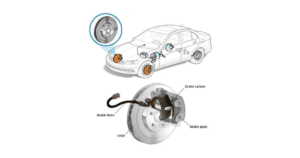 I had the same question the first time I heard it. I thought brake pads did all the work. But once I dug deeper (and paid for a full brake job), I realized rotors are just as important, maybe even more.
In this complete guide, I’ll break down:
- What car rotors are
- How they work
- Types of brake rotors
- Signs of bad rotors
- Replacement costs
- A detailed comparison table
- A buyer’s guide
- FAQs
- And everything you need to know before your next brake service
Let’s get into it.
What Are Car Rotors?
Car rotors, also called brake rotors or brake discs,s are round metal discs attached to your vehicle’s wheels. When you press the brake pedal, the brake pads clamp down on the rotors to create friction, which slows and stops your car.
Rotors are a core part of the disc brake system, which is standard on nearly all modern vehicles. Without rotors, your car wouldn’t stop safely.
How Car Rotors Work
Here’s a simple breakdown of the braking process:
- You press the brake pedal.
- Brake fluid moves through the lines.
- The brake caliper squeezes the brake pads.
- The brake pads clamp onto the rotor.
- Friction converts motion into heat.
- Your car slows down.
The rotor absorbs and disperses that heat which is why rotor quality matters so much.
Where Are Rotors Located?
Each wheel typically has one rotor.
- Front-wheel-drive cars: 2 front rotors (most braking power happens here).
- Many modern cars have4-wheel disc brakes (4 rotors total).
- Some older vehicles: Rear drum brakes instead of rear rotors.
Front rotors usually wear faster because around 70% of braking force happens at the front.
Types of Car Rotors (With Comparison Table)
Not all rotors are the same. Here’s a clear comparison to help you understand the differences:
| Rotor Type | Best For | Cooling Performance | Noise Level | Cost Range | Lifespan |
| Blank (Smooth) Rotors | Daily driving | Moderate | Very quiet | $30–$80 | 30k–70k miles |
| Drilled Rotors | Sporty driving | Excellent | Slightly louder | $80–$200 | 30k–60k miles |
| Slotted Rotors | Heavy vehicles | Very good | Moderate | $90–$220 | 40k–70k miles |
| Drilled & Slotted | Performance cars | Maximum | Louder | $120–$300 | 30k–60k miles |
Let’s break these down further.
1. Blank (Smooth) Rotors
These are the most common factory-installed rotors.
Pros:
- Affordable
- Quiet
- Long-lasting
- Perfect for commuting
Cons:
- Less cooling under aggressive braking
For 90% of drivers, these are more than enough.
2. Drilled Rotors
They have holes drilled through them to improve heat dissipation.
Pros:
- Better cooling
- Reduced brake fade
- Good in wet conditions
Cons:
- Can crack under extreme heat
- More expensive
Great for spirited drivers.
3. Slotted Rotors
They have grooves cut into the surface.
Pros:
- Removes debris and gas
- Strong braking consistency
- Good for towing or heavy SUVs
Cons:
- Slightly more brake pad wear
4. Drilled & Slotted Rotors
Best of both worlds.
Pros:
- Excellent performance
- Great heat control
- Strong stopping power
Cons:
- Higher cost
- More noise
- Faster pad wear
Ideal for sports cars or heavy-duty applications.
Signs Your Car Rotors Are Bad
Here are the most common warning signs:
1. Vibrating Steering Wheel
If your steering wheel shakes while braking, the rotors may be warped.
2. Pulsating Brake Pedal
A pulsing pedal usually indicates uneven rotor surfaces.
3. Squealing or Grinding Noise
Metal-on-metal contact can mean severely worn rotors.
4. Visible Grooves or Scoring
Deep scratches indicate wear.
5. Increased Stopping Distance
Worn rotors reduce braking efficiency.
What Causes Rotor Damage?
From personal experience and mechanical insight, common causes include:
- Aggressive braking
- Overheating
- Riding the brakes downhill
- Cheap brake pads
- Poor-quality rotors
- Towing heavy loads frequently
Heat is the number one enemy of rotors.
How Long Do Car Rotors Last?
Average lifespan:
- 30,000 to 70,000 miles
- Front rotors wear faster than rear rotors
- Driving habits matter more than brand
Highway drivers usually get longer rotor life compared to city drivers.
Can Rotors Be Resurfaced?
Yes sometimes. Resurfacing (also called “turning”) removes a thin layer to smooth the surface. However:
- Modern rotors are thinner.
- Many manufacturers recommend replacement instead.
- Resurfacing can shorten lifespan.
In my experience, replacement is often the better long-term choice.
Car Rotor Replacement Cost
Here’s a realistic breakdown:
| Service | Average Cost |
| Rotor (per piece) | $40–$200 |
| Full Front Rotor Replacement | $250–$600 |
| Full 4 Rotor Replacement | $500–$1,200 |
| Performance Rotor Set | $800–$1,500 |
Labor makes up a large part of the total.
Buyer’s Guide: Choosing The Right Car Rotors
If you’re replacing your rotors, here’s what to consider:
1. Driving Style
- Daily commuting → Blank rotors
- Towing → Slotted rotors
- Performance driving → Drilled or drilled & slotted
2. Vehicle Type
- Compact car → Standard rotors
- SUV/truck → Heavy-duty or slotted
- Sports car → Performance rotors
3. Rotor Material
Most are cast iron. Premium versions include:
- High-carbon rotors (quieter, better heat control)
- Coated rotors (rust resistance)
4. Brand Quality
Stick with reputable brands to avoid:
- Warping
- Cracking
- Excessive noise
Cheap rotors often cost more in the long run.
5. Pad Compatibility
Always match rotors with compatible brake pads.
Ceramic pads:
- Quiet
- Low dust
Semi-metallic pads:
- Strong stopping power
- More wear on rotors
Personal Review: My Experience With Rotor Replacement
I once tried saving money with ultra-cheap rotors.
Bad idea.
Within six months:
- Steering wheel vibration
- Uneven braking
- Visible heat spots
I replaced them with mid-range coated rotors huge difference. Lesson learned: Rotors are not the place to go ultra-cheap.
Advanced Insight: How Rotors Handle Heat
When braking at highway speeds, rotors can reach:
400–700°F
Under extreme braking: over 1,000°F
That’s why cooling design matters.
Vented rotors (most front rotors) have internal fins that circulate air to cool faster. Rear rotors are often solid since they handle less braking load.
Do All Cars Have Rotors?
Most modern vehicles use disc brakes with rotors. Some older or budget vehicles may use:
- Rear drum brakes instead of rear rotors
Drum brakes are cheaper but less efficient at heat management.
Read More: How To Check Oil
FAQs: What Are Car Rotors
1. Are rotors and brake discs the same thing?
Yes. “Rotor” and “brake disc” mean the same component.
2. Should I replace rotors with brake pads?
Often yes. Many mechanics recommend replacing them together.
3. Can warped rotors be fixed?
Sometimes resurfaced, but replacement is often better.
4. Why do rotors warp?
Excess heat and uneven cooling.
5. How do I check rotor thickness?
A micrometer measures thickness against the manufacturer’s specs.
6. Do premium rotors really last longer?
Generally, yes, especially high-carbon or coated rotors.
7. Is it safe to drive with bad rotors?
Not recommended, as it increases stopping distance and safety risk.
Final Thoughts
Car rotors are one of the most critical components of your braking system. They work together with brake pads to convert motion into heat and ultimately bring your vehicle to a safe stop.
Whether you’re commuting daily, towing heavy loads, or driving aggressively, choosing the right rotor makes a noticeable difference in:
- Stopping power
- Brake feel
- Noise levels
- Safety
- Long-term cost
From personal experience, investing in quality rotors saves money and stress down the road. Don’t ignore warning signs; your safety depends on it.