If you’ve ever turned on your car’s AC on a hot summer day and felt nothing but warm air, there’s a small but powerful component that might be responsible: the car AC pressure switch.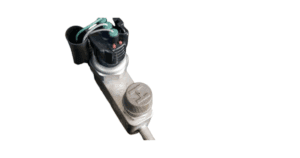 I didn’t pay attention to mine until my AC compressor stopped engaging. After some research and hands-on experience, I realized the AC pressure switch is basically the guardian of your air conditioning system.
It protects expensive components like the compressor and keeps refrigerant pressure within safe limits. In this in-depth guide, I’ll explain:
- What a car AC pressure switch does
- How it works
- Symptoms of failure
- Repair and replacement costs
- Buyer’s guide
- Comparison table
- FAQs
- And everything else you need to know
Let’s dive in.
What Does A Car AC Pressure Switch Do?
A car AC pressure switch monitors the refrigerant pressure inside your vehicle’s air conditioning system. It turns the AC compressor on or off depending on whether the pressure is within a safe operating range.
In simple terms:
👉 Too much pressure? It shuts the system down.
👉 Too little pressure? It prevents the compressor from running.
👉 Normal pressure? It allows cool air to flow.
It acts as a safety device and a system regulator at the same time. Without it, you could easily damage your AC compressor, one of the most expensive AC components to replace.
Where Is The AC Pressure Switch Located?
In most vehicles, the AC pressure switch is found:
- On the AC refrigerant line
- Near the receiver-drier or accumulator
- Or attached to the AC compressor housing
In modern vehicles, there are usually two types:
- Low-pressure switch
- High-pressure switch
Some systems combine both into a single pressure sensor.
How Does A Car AC Pressure Switch Work?
The pressure switch works by sensing refrigerant pressure in the AC system. Here’s how it functions step-by-step:
- You turn on the AC.
- The system checks refrigerant pressure.
- If pressure is within normal range:
- The switch allows the compressor clutch to engage.
- If pressure is too low:
- The switch prevents compressor engagement.
- If pressure is too high:
- The switch cuts power to protect the system.
It’s basically an automatic safety gate.
Types of Car AC Pressure Switches
Here’s a clear comparison to help you understand the differences:
| Feature | Low-Pressure Switch | High-Pressure Switch | Combined Pressure Sensor |
| Main Role | Prevents the compressor from running when the refrigerant is low | Shuts the system down if the pressure is too high | Monitors the entire pressure range |
| Protects Against | Refrigerant leaks | Overheating/overcharging | Both conditions |
| Common Location | Suction line | Discharge line | AC line or compressor |
| Failure Symptoms | AC won’t turn on | AC shuts off suddenly | Inconsistent cooling |
| Replacement Cost | $20–$80 | $30–$100 | $50–$150 |
Why The AC Pressure Switch Is So Important
After dealing with a failed switch myself, I learned something important:
Replacing a $40 switch is far better than replacing a $1,200 compressor.
The pressure switch protects:
- AC compressor
- Hoses and seals
- Condenser
- Evaporator
- Entire refrigerant system
Without proper pressure monitoring, the compressor can:
- Overheat
- Seize up
- Crack internally
- Leak refrigerant
And that’s where big repair bills start.
Symptoms of a Bad AC Pressure Switch
If your car’s AC pressure switch is failing, you might notice:
1. AC Compressor Not Engaging
You hear no “click” when turning on the AC.
2. Warm Air From Vents
The system refuses to cool.
3. Intermittent Cooling
AC works sometimes, then stops randomly.
4. AC Clutch Rapid Cycling
The compressor turns on and off too quickly.
5. Check Engine Light
In newer vehicles, a faulty pressure sensor may trigger a fault code.
What Causes AC Pressure Switch Failure?
From experience and technician reports, common causes include:
- Refrigerant leaks
- Electrical corrosion
- Wiring damage
- Age and wear
- Overcharging the AC system
Most switches fail due to electrical issues rather than mechanical ones.
Can You Drive With a Bad AC Pressure Switch?
Technically, yes. But:
- Your AC may not work.
- You risk compressor damage.
- Refrigerant pressure could spike dangerously.
It’s not something you should ignore.
AC Pressure Switch Replacement Cost
Here’s a realistic breakdown:
| Repair Type | Average Cost |
| Switch Only (DIY) | $25–$100 |
| Professional Replacement | $150–$350 |
| With Refrigerant Recharge | $250–$600 |
Labor costs depend on vehicle accessibility.
Buyer’s Guide: Choosing The Right AC Pressure Switch
If you’re planning to replace yours, here’s what to look for:
1. OEM vs Aftermarket
OEM (Original Equipment Manufacturer):
- Exact factory match
- Higher price
- Maximum compatibility
Aftermarket:
- Cheaper
- Wide availability
- Quality varies
My personal advice: For newer vehicles, go OEM. For older cars, a reputable aftermarket brand works fine.
2. Check Vehicle Compatibility
Always confirm:
- Year
- Make
- Model
- Engine type
Even slight differences matter.
3. Connector Type
Make sure the electrical connector matches exactly.
4. Refrigerant Type
Most modern vehicles use R-134a or R-1234yf. Ensure switch compatibility.
5. Brand Reputation
Look for brands known for quality AC parts.
How To Test A Car AC Pressure Switch
Basic testing steps:
- Use a multimeter to check continuity.
- Use AC manifold gauges to verify pressure.
- Scan for OBD fault codes.
Important: Never bypass the switch permanently, as it can destroy your compressor.
Is It Hard To Replace?
In many vehicles:
- Locate the switch.
- Disconnect the battery.
- Unplug the electrical connector.
- Unscrew the old switch.
- Install a new one.
Some systems require refrigerant recovery first. Always confirm before DIY.
Personal Experience Review
When my AC suddenly stopped blowing cold air, I assumed the worst compressor failure. But after checking:
- Refrigerant level was fine.
- Fuse was intact.
- Relay worked.
It turned out to be the low-pressure switch. Replacement cost: $60 part + 30 minutes of labor.
Cooling was restored immediately. That experience showed me how crucial and underrated this small part is.
Read More: What Is An AC Belt In A Car
FAQs: What Does A Car AC Pressure Switch Do
1. What happens if the AC pressure is too high?
The high-pressure switch shuts down the compressor to prevent explosion or hose damage.
2. Can a bad pressure switch cause no AC?
Yes. It can prevent the compressor from engaging.
3. Will a bad switch trigger a check engine light?
In many modern vehicles, yes.
4. How long does an AC pressure switch last?
Typically 8–12 years, depending on usage.
5. Can I bypass the AC pressure switch?
Not recommended. It risks serious compressor damage.
6. Is the AC pressure switch the same as a sensor?
Some vehicles use a pressure sensor instead of a simple on/off switch.
7. Does low refrigerant trigger the switch?
Yes. The low-pressure switch prevents operation when the refrigerant is insufficient.
Final Thoughts
The car AC pressure switch may be small, but it plays a huge role in protecting your vehicle’s air conditioning system.
If your AC suddenly stops working, don’t immediately assume compressor failure. The pressure switch could be the real culprit, and it’s far cheaper to fix.