The first time I heard the term “blown head gasket,” I thought it sounded dramatic and expensive. Unfortunately, I later learned both are true. A gasket might look like a simple, thin piece of material sandwiched between engine parts.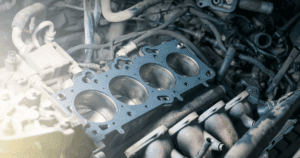 But in reality, it’s one of the most critical sealing components in your vehicle. Without gaskets, your engine would leak oil, coolant, exhaust gases, and basically self-destruct.
In this detailed guide, I’ll break down:
- What a gasket is
- How car gaskets work
- The most important types (including the infamous head gasket)
- Signs of gasket failure
- Repair and replacement costs
- A helpful comparison table
- A buyer’s guide
- Long expert explanation
- FAQs
By the end, you’ll understand why this small part plays such a massive role in your car’s health.
What Is a Gasket on a Car?
A gasket is a sealing component placed between two engine surfaces to prevent leaks of:
- Oil
- Coolant
- Combustion gases
- Transmission fluid
- Exhaust gases
Think of it as a specialized seal that fills microscopic gaps between metal parts.
When two engine components are bolted together, their surfaces aren’t perfectly smooth. A gasket compresses between them, creating an airtight and liquid-tight seal.
Why Gaskets Are So Important
Modern engines operate under:
- High pressure
- Extreme heat
- Rapid expansion and contraction
- Constant vibration
Without gaskets:
- Oil would leak out
- Coolant would mix with oil
- Combustion pressure would escape
- Engine overheating would occur
- Performance would drop
In simple terms: No gasket = No reliable engine.
Most Common Types of Car Gaskets
Let’s break down the most important ones.
1️⃣ Head Gasket (Most Critical)
The head gasket sits between the engine block and the cylinder head. It seals:
- Combustion chambers
- Oil passages
- Coolant passages
If this fails, you may experience:
- White smoke from the exhaust
- Overheating
- Coolant in oil
- Milky oil
- Engine misfire
Head gasket failure is serious and expensive.
2️⃣ Intake Manifold Gasket
Seals the intake manifold to the engine. Prevents:
- Air leaks
- Coolant leaks (in some engines)
Symptoms of failure:
- Rough idle
- Check engine light
- Coolant leak
3️⃣ Exhaust Manifold Gasket
Seals exhaust gases from escaping before reaching the exhaust system. Failure causes:
- Loud ticking noise
- Reduced power
- Exhaust smell
4️⃣ Valve Cover Gasket
One of the most common leak points. It seals the valve cover to prevent oil leaks. Signs of failure:
- Oil smell
- Oil dripping onthe engine
- Visible oil around the valve cover
Usually affordable to replace.
5️⃣ Oil Pan Gasket
Seals the oil pan at the bottom of the engine. Symptoms:
- Oil spots under the car
- Low oil levels
Comparison Table: Major Car Gaskets
| Gasket Type | Function | Common Failure Symptoms | Replacement Cost (Approx.) | Difficulty Level |
| Head Gasket | Seals combustion, oil & coolant | Overheating, white smoke | $1,000–$2,500 | Very High |
| Intake Manifold Gasket | Seals air & coolant | Rough idle, coolant leak | $300–$800 | Medium |
| Exhaust Manifold Gasket | Seals exhaust gases | Ticking noise | $150–$500 | Medium |
| Valve Cover Gasket | Seals oil at the top of the engine | Oil leak, burning smell | $100–$400 | Low |
| Oil Pan Gasket | Seals the oil pan | Oil puddles | $200–$600 | Medium |
Costs vary by vehicle type and labor rates.
What Materials Are Gaskets Made From?
Modern car gaskets are made from:
- Multi-layer steel (MLS)
- Composite materials
- Rubber
- Cork
- Silicone
- Graphite
Head gaskets often use multi-layer steel (MLS) for strength under extreme pressure. Rubber and silicone are common for oil-related gaskets.
How Gaskets Work (Deep Explanation)
When engine parts are bolted together:
- The gasket is placed between surfaces.
- Bolts compress the gasket.
- The gasket fills microscopic imperfections.
- A seal forms against fluids and gases.
Under engine heat, parts expand. Gaskets are designed to:
- Flex
- Compress
- Withstand pressure
- Resist chemical breakdown
This is why proper torque specifications are critical during installation.
What Causes Gasket Failure?
Gaskets don’t fail randomly. Common causes include:
Overheating
Excess heat warps engine surfaces and damages gaskets.
Poor Installation
Incorrect torque leads to uneven compression.
Age & Wear
Rubber hardens over time.
Coolant Issues
Old coolant causes corrosion.
Engine Stress
High-performance driving increases pressure.
Signs Your Car Has a Bad Gasket
Depending on the type, symptoms vary:
- Oil leak
- Coolant leak
- Overheating
- White exhaust smoke
- Engine misfire
- Milky oil
- Sweet smell from the exhaust
- Check engine light
Early detection saves thousands.
Buyer’s Guide: Choosing the Right Gasket
If you’re replacing a gasket, quality matters.
1️⃣ OEM vs Aftermarket
OEM (Original Equipment Manufacturer):
- Perfect fit
- Reliable quality
- More expensive
Aftermarket:
- Cheaper
- Quality varies
For head gaskets, OEM is usually safer.
2️⃣ Material Quality
Choose:
- MLS for the head gasket
- High-temp rubber for valve covers
- Graphite for exhaust systems
Avoid ultra-cheap no-name brands.
3️⃣ Complete Gasket Kits
Sometimes buying a full gasket set is cheaper than individual pieces. Useful for:
- Engine rebuilds
- Major repairs
4️⃣ Check Compatibility
Always match:
- Engine size
- Model year
- VIN
Small mismatch = major headache.
5️⃣ Consider Labor Cost
Head gasket repair is labor-intensive. Sometimes selling the car makes more financial sense.
Head Gasket Failure: Why It’s So Serious
The head gasket seals:
- Combustion pressure
- Coolant
- Oil
If it fails:
- Coolant enters cylinders
- Oil mixes with coolant
- The engine overheats rapidly
- A warped cylinder head is possible
Driving with a blown head gasket can destroy the engine.
Can You Drive With a Bad Gasket?
Depends on type.
Valve cover gasket?
→ Short distances, maybe.
Head gasket?
→ Risky. Avoid driving.
Exhaust gasket?
→ Usually safe short-term.
Always diagnose first.
Preventing Gasket Failure
Here’s what I recommend from experience:
Maintain Cooling System
Replace coolant regularly.
Avoid Overheating
Fix overheating immediately.
Replace Oil On Time
Prevents sludge buildup.
Use Proper Torque Specs
If DIY repairing.
Cost Breakdown
| Repair Type | DIY Cost | Professional Cost |
| Valve Cover Gasket | $30–$80 | $100–$400 |
| Oil Pan Gasket | $50–$150 | $200–$600 |
| Intake Gasket | $100–$300 | $300–$800 |
| Head Gasket | $200–$500 | $1,000–$2,500+ |
Labor is the biggest cost factor.
Long Technical Insight: Why Gaskets Fail Under Pressure
Internal combustion engines operate at:
- 200+ PSI compression
- Temperatures exceeding 2,000°F in combustion chambers
The head gasket must withstand:
- Pressure spikes
- Thermal expansion
- Vibration stress
Multi-layer steel gaskets use layered sheets to:
- Distribute pressure evenly
- Resist deformation
- Maintain seal integrity
This engineering precision is why proper torque sequence matters.
Read More: Can A Bad Coil Pack Cause Car Not To Start
FAQs: What Is A Gasket On A Car
What happens if a gasket fails?
Leaks occur. Depending on the location, it may cause overheating, oil loss, or power loss.
Is a blown head gasket worth fixing?
Depends on vehicle value and repair cost.
How long do car gaskets last?
Typically 100,000+ miles, unless overheating occurs.
Can gasket sealer fix a head gasket?
Temporary at best. Not a permanent fix.
Why is head gasket repair expensive?
Labor-intensive. Requires engine disassembly.
Are gasket leaks common in older cars?
Yes. Rubber hardens over time.
Final Thoughts
A gasket may seem small, but it protects your engine from catastrophic damage. Understanding:
- What it does
- Signs of failure
- Replacement cost
- Quality differences
…can save you thousands of dollars. If your car shows symptoms of a leak, don’t ignore it. Catching gasket issues early is always cheaper than waiting.