If you’ve ever heard a mechanic say, “It might be the head gasket,” you probably felt your stomach drop. And honestly? I don’t blame you.
Gaskets are small, inexpensive-looking components, but they play a massive role in keeping your engine sealed, pressurized, and functioning properly.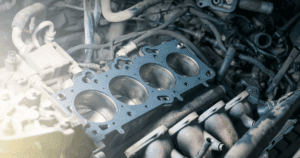 From my experience working around everyday vehicles, many drivers don’t even know what a gasket is until something goes wrong. So let’s break it down clearly and simply.
👉 A gasket in a car is a sealing component placed between two metal surfaces to prevent leaks of fluids or gases.
That’s it. But the details? That’s where things get interesting.
What Is a Gasket?
A gasket is a thin piece of material placed between two engine components to create a tight seal.
It prevents:
- Oil leaks
- Coolant leaks
- Gas leaks
- Pressure loss
Modern vehicles from brands like:
- Toyota
- Honda
- Ford
- BMW
All rely on multiple gaskets throughout the engine and transmission. Without gaskets, your engine would leak fluids everywhere and fail quickly.
Why Are Gaskets Necessary?
Engines are made of metal parts bolted together. But metal isn’t perfectly smooth. Even tiny imperfections can allow:
- Oil to seep out
- Coolant to escape
- Combustion gases are leaking
A gasket fills those microscopic gaps. It acts as a cushion and seal between components.
Main Types of Car Gaskets
Here are the most important ones you should know about:
| Gasket Type | Location | Function | Failure Severity |
| Head Gasket | Between engine block & cylinder head | Seals combustion & coolant | Very High |
| Valve Cover Gasket | Top of engine | Seals oil inside head | Moderate |
| Intake Manifold Gasket | Between intake & engine | Seals air/fuel mix | Moderate |
| Exhaust Manifold Gasket | Between exhaust & engine | Seals exhaust gases | Moderate |
| Oil Pan Gasket | Bottom of the engine | Seals engine oil | Low to Moderate |
The head gasket is the most serious one.
What Does a Head Gasket Do?
The head gasket sits between:
- Engine block
- Cylinder head
It seals:
- Combustion chambers
- Coolant passages
- Oil passages
It handles extreme heat and pressure, sometimes over 2000°F during combustion. When it fails, problems get serious.
Symptoms of a Blown Head Gasket
From experience, here are the classic warning signs:
1. White Smoke from Exhaust
Coolant burning in engine.
2. Overheating
Engine temperature rises quickly.
3. The Milky Oil
Oil mixed with coolant.
4. Bubbles in Radiator
Combustion gases entering cooling system.
5. Loss ofthe Power
Low compression. A blown heat gasket is not something to ignore.
What Materials Are Gaskets Made From?
Modern gaskets can be made from:
- Multi-layer steel (MLS)
- Rubber
- Cork
- Graphite
- Composite materials
Older cars used cork frequently. Modern engines use advanced steel or composite designs.
Why Do Gaskets Fail?
Common causes include:
- Overheating
- Old age
- Poor installation
- Engine warping
- High mileage
In many cases, overheating is the main reason head gaskets fail.
Head Gasket vs Valve Cover Gasket (Comparison Table)
| Feature | Head Gasket | Valve Cover Gasket |
| Location | Middle of engine | Top of engine |
| Repair Cost | Expensive | Affordable |
| Labor Tthe ime | 6–20 hoursthe | 1–2 hours |
| Engine Damage Risk | Very High | Low |
| Common Symptom | Overheating | Oil leak |
Big difference in severity.
How Much Does Gasket Replacement Cost?
Here’s a realistic cost estimate:
| Repair Type | Parts Cost | Labor Cost | Total Average |
| Valve Cover Gasket | $20–$100 | $100–$300 | $150–$400 |
| Oil Pan Gasket | $30–$120 | $200–$500 | $250–$700 |
| Head Gasket | $100–$500 | $1,000–$3,000 | $1,500–$4,000 |
Head gasket repairs are labor-intensive.
Can You Drive With a Bad Gasket?
- Depends on the gasket.
- Valve cover leak? Possibly for a short time.
- Head gasket failure?
- Not recommended.
Driving with a blown head gasket can:
- Destroy engine
- Warp cylinder head
- Ruin the catalytic converter
Buyer’s Guide: Choosing the Right Gasket
If you’re replacing a gasket, here’s what to consider.
1. OEM vs Aftermarket
OEM:
- Exact fit
- High reliability
Aftermarket:
- More affordable
- Quality varies
For brands like Toyota or Honda, OEM head gaskets are often recommended.
2. Material Type
Multi-layer steel (MLS):
- Best for high-performance engines
Composite:
- Good for daily drivers
3. Complete Gasket Kit vs Individual
Complete engine gasket kits include:
- Head gasket
- Valve cover gasket
- Intake/exhaust gaskets
- Seals
Better for engine rebuild projects.
4. Engine Compatibility
Always check:
- Engine size
- VIN
- Year & trim
Even similar models can have different engines.
How Long Do Gaskets Last?
Most gaskets last:
100,000 – 200,000 miles
Unless the engine overheats.
Valve cover gaskets usually fail earlier due to rubber aging.
Deep Dive: How Gaskets Handle Pressure
During combustion, cylinder pressure can exceed 1,000 PSI. The head gasket must:
- Seal high-pressure combustion
- Prevent coolant contamination
- Prevent oil leaks
This is why modern engines use torque-to-yield bolts to ensure proper clamping force.
Preventing Gasket Failure
Here’s what I always recommend:
- Maintain cooling system
- Replace thermostat when needed
- Avoid overheating
- Use proper torque spthe ecs
- Don’t ignore warning lights
Most head gasket failures start with overheating.
Signs You Need Immediate Repair
Seek repair if you notice:
- Rapid coolant loss
- Constant overheating
- Thick white smoke
- Milky oil
- Sweet smell from the exhaust
Delaying repair increases costs dramatically.
Read More: How Do I Check My Oil In My Car
FAQs: What Is A Gasket In A Car
1. What is the main purpose of a gasket?
To seal two surfaces and prevent leaks.
2. Is a head gasket the same as a regular gasket?
No, it handles combustion pressure and is much more critical.
3. How expensive is a blown head gasket?
Typically $1,500–$4,000.
4. Can a gasket cause overheating?
Yes, especially head gasket failure.
5. What causes head gasket failure?
Mostly overheating.
6. How long do valve cover gaskets last?
Usually 60,000–100,000 miles.
7. Can you fix a head gasket without replacing it?
Temporary sealers exist but are not long-term solutions.
8. Is gasket replacement a DIY job?
Small gaskets, yes. A head gasket is usually a professional job.
Final Thoughts
A gasket might look like a simple piece of material, but it’s one of the most important components in your car. It keeps:
- Oil inside
- Coolant separated
- Combustion sealed
- Pressure controlled
Ignore gasket problems, and repair costs skyrocket. Take care of your cooling system, don’t ignore overheating, and your engine gaskets can last the life of the vehicle.