If you’ve ever had your check engine light turn on and heard a mechanic mention the “EGR valve,” you probably nodded like you understood while secretly wondering what on earth it actually does.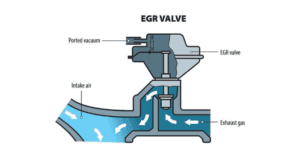 I’ve been there. The first time my car started idling roughly and hesitating during acceleration, I assumed it was the spark plugs. Turns out, it was a clogged EGR valve.
After replacing it and learning how it works, I realized it’s one of the most misunderstood but extremely important parts of a modern engine.
In this guide, I’ll break down:
- What an EGR valve is
- How it works
- Why your car needs it
- Symptoms of failure
- Costs and replacement tips
- A buyer’s guide
- FAQs
- And practical advice from real-world experience
Let’s keep it simple and practical.
What Is an EGR Valve?
An EGR valve (Exhaust Gas Recirculation valve) is an emissions control component in your vehicle that reduces harmful nitrogen oxide (NOx) emissions by recirculating a portion of exhaust gases back into the engine’s intake system.
It takes a small amount of already-burned exhaust gas and sends it back into the engine to cool combustion temperatures. Lower combustion temperature = fewer harmful emissions.
It works alongside other emissions components like the catalytic converter and is required in most modern gasoline and diesel vehicles.
Why Does an Engine Need an EGR Valve?
During combustion, engines can reach extremely high temperatures. At these temperatures, nitrogen and oxygen combine to form nitrogen oxides (NOx), which contribute to:
- Smog
- Air pollution
- Respiratory issues
Governments introduced emissions standards to control this. The EGR valve is one of the key solutions. By reintroducing exhaust gas into the intake, it:
- Lowers combustion temperature
- Reduces NOx emissions
- Improves fuel efficiency in certain conditions
- Helps engines run smoother at cruising speeds
When mine failed, I noticed rough idle and poor acceleration, proof that it does more than just help the environment.
How Does an EGR Valve Work?
Here’s the simplified process:
- The engine produces exhaust gases.
- The EGR valve opens under certain conditions (usually light throttle cruising).
- A portion of the exhaust gases flows back into the intake manifold.
- These inert gases mix with fresh air and fuel.
- Combustion temperature drops.
Important: The EGR valve does not stay open all the time. It typically remains closed during:
- Cold starts
- Idle
- Wide-open throttle
Modern vehicles control EGR valves electronically using the engine control unit (ECU).
Types of EGR Valves (Comparison Table)
Not all EGR valves are the same. Here’s a clear comparison:
| Type of EGR Valve | Control Method | Common In | Pros | Cons |
| Vacuum-Controlled | Engine vacuum | Older gasoline vehicles | Simple design | Less precise |
| Electronic EGR | ECU-controlled motor | Modern vehicles | Accurate control, better efficiency | More expensive |
| Digital EGR | Multiple solenoids | Late-model vehicles | Very precise | Complex, costly |
| High-Pressure EGR (Diesel) | Turbo-fed system | Diesel engines | Reduces emissions effectively | Carbon buildup issues |
From personal experience, electronic EGR valves are much more reliable, but when they fail, replacement costs more.
Symptoms of a Bad EGR Valve
When my EGR valve failed, the signs were subtle at first. Here’s what to look for:
1. Rough Idle
The engine may shake or vibrate when stopped.
2. Poor Acceleration
You might feel hesitation or a sluggish response.
3. Check Engine Light
This is the most common sign.
4. Engine Knocking or Pinging
Improper combustion temperatures can cause knocking sounds.
5. Increased Fuel Consumption
Fuel efficiency can drop.
6. Failed Emissions Test
A clogged or stuck valve can cause inspection failure.
What Happens If You Ignore a Bad EGR Valve?
Ignoring it can lead to:
- Reduced engine performance
- Higher emissions
- Carbon buildup in the intake
- Potential engine damage
- Failed vehicle inspection
In my case, I waited two months. Carbon buildup worsened, and cleaning wasn’t enough. I had to replace the entire unit. Lesson learned.
EGR Valve Cleaning vs Replacement
Sometimes the valve is clogged, not broken.
Cleaning Works If:
- Carbon buildup is moderate
- Valve still moves properly
- No electronic failure
Replacement Is Needed If:
- Valve is stuck open/closed
- The electronic motor fails
- Internal damage exists
Cleaning costs less, but isn’t always a permanent fix.
How Much Does an EGR Valve Cost?
Prices vary based on vehicle and type.
Average Cost:
- EGR valve part: $70 – $400
- Labor: $100 – $350
- Total replacement: $200 – $750
Luxury or diesel vehicles may cost more. When I replaced mine, the total cost was about $420 installed. Not cheap, but cheaper than engine damage.
Buyer’s Guide: How to Choose the Right EGR Valve
If you’re replacing your EGR valve, here’s what I recommend:
1. OEM vs Aftermarket
OEM (Original Equipment Manufacturer)
- Exact factory match
- Higher cost
- Reliable fit
Aftermarket
- Lower cost
- Varies in quality
- May not last as long
If you plan to keep your car long-term, OEM is often worth it.
2. Check Compatibility
Never guess. Confirm:
- Engine size
- Model year
- Trim level
- VIN compatibility
Even slight variations matter.
3. Material Quality
Look for:
- Heat-resistant housing
- Durable electronic components
- Good warranty (1–3 years minimum)
4. Diesel vs Gasoline Differences
Diesel EGR systems are more complex and prone to heavy carbon buildup. If you own a diesel, consider:
- Higher-quality replacement
- Regular cleaning intervals
5. Warranty Matters
Choose parts with:
- At least a 12-month warranty
- Reputable manufacturer
A cheap valve with no warranty can cost more later.
My Real-World Experience With EGR Failure
Here’s what happened: My car started idling roughly at red lights. Nothing dramatic. Just slightly shaky. Then acceleration hesitation began. Finally, the check engine light turned on.
The diagnostic code pointed to an EGR flow malfunction. I tried cleaning it first. That helped for about three weeks. Eventually, I replaced it. The difference was immediate:
- Smooth idle
- Better throttle response
- Fuel economy improved slightly
What surprised me most was how much smoother highway cruising felt.
Does an EGR Valve Affect Performance?
Yes, but in subtle ways. A properly working EGR valve:
- Improves fuel efficiency at cruising speeds
- Reduces engine knocking
- Maintains smoother combustion
A faulty one:
- Causes hesitation
- Reduces power
- Increases emissions
Performance enthusiasts sometimes delete EGR systems, but that’s illegal in many regions and not recommended for street vehicles.
Common EGR Valve Myths
EGR Reduces Engine Power Permanently
Not true. It only operates under certain conditions.
Removing EGR Improves Fuel Economy
Often false in modern engines.
EGR Only Matters for Emissions
It also affects drivability.
How Long Does an EGR Valve Last?
Typical lifespan:
- 70,000 – 150,000 miles
Factors affecting lifespan:
- Short trips
- Poor fuel quality
- Diesel engines
- Heavy city driving
Regular maintenance helps extend life.
Preventing EGR Problems
Here’s what works:
- Use quality fuel
- Take occasional highway drives
- Clean the intake system periodically
- Fix check engine lights early
- Avoid constant short trips
Carbon buildup is the main enemy.
Read More: How To Know If Your Car Oil Is Bad
FAQs: What Is An EGR Valve
1. Can I drive with a bad EGR valve?
Yes, temporarily, but it’s not recommended.
2. Will a bad EGR valve cause stalling?
It can, especially if stuck open.
3. Does cleaning always fix it?
No. Only if carbon buildup is the issue.
4. Can I replace an EGR valve myself?
Yes, if accessible and you have tools.
5. How long does replacement take?
Usually 1–3 hours.
6. What causes EGR clogging?
Carbon deposits from exhaust gases.
7. Is EGR the same as a PCV valve?
No. They serve different purposes.
8. Can EGR failure damage the engine?
Over time, yes.
9. Does EGR affect turbo engines?
Yes, especially in diesel turbo systems.
10. Why is my new EGR valve not fixing the issue?
Possible wiring, ECU, or intake clog issues.
Final Thoughts: Is the EGR Valve Important?
Absolutely. The EGR valve might not be glamorous, but it plays a critical role in:
- Emissions control
- Engine efficiency
- Combustion temperature regulation
- Smooth drivability
When it fails, you feel it. From my own experience, ignoring early symptoms costs more later. If you notice a rough idle or a check engine light, don’t wait.
A healthy EGR valve keeps your engine cleaner, smoother, and compliant with emissions laws.