If you’ve ever popped the hood of your car and heard someone say, “It might be the gasket,” you probably nodded and secretly wondered what that actually means. I’ve been there. The word gasket sounds small and unimportant.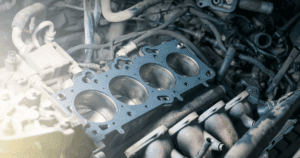 But in reality? A car gasket is one of the most critical components in your engine. When it works, you never think about it. When it fails, especially something like a head gasket, it can turn into one of the most expensive repairs you’ll ever face.
In this guide, I’ll break down:
- What a car gasket actually is
- How it works
- The different types (including the infamous Head Gasket)
- Signs of failure
- Repair costs
- A buyer’s guide for gasket kits
- FAQs every car owner should know
What Is a Car Gasket?
A car gasket is a mechanical seal placed between two metal surfaces to prevent leaks. It ensures that fluids (such as oil or coolant) and gases (such as combustion gases) stay where they’re supposed to.
Think of it like a high-performance sealing layer sandwiched between engine parts. Without gaskets:
- Oil would leak out
- Coolant would mix with engine oil
- Combustion gases would escape
- Your engine would overheat or lose power
In simple terms, Gaskets keep everything sealed, separated, and running efficiently.
Why Gaskets Matter More Than You Think
Modern engines operate under:
- Extreme heat (200°F–2,000°F internally)
- High pressure
- Constant vibration
- Continuous fluid movement
Even microscopic gaps between engine components would cause leaks. Gaskets fill those gaps perfectly. When a gasket fails, you may experience:
- Oil leaks
- Coolant leaks
- White exhaust smoke
- Engine overheating
- Loss of power
- Milky oil (coolant mixing with oil)
That’s why understanding gaskets can literally save you thousands of dollars.
The Most Important Types of Car Gaskets
There are many gaskets in a vehicle, but these are the major ones:
1. Head Gasket
Seals the cylinder head to the engine block. Keeps combustion gases, oil, and coolant separate. This is the most expensive gasket to replace.
2. Valve Cover Gasket
Seals the valve cover to prevent oil leaks from the top of the engine. Common and relatively affordable to fix.
3. Intake Manifold Gasket
Seals the intake manifold to the engine. Prevents air leaks and coolant leaks in some engines.
4. Exhaust Manifold Gasket
Seals exhaust gases from escaping before reaching the exhaust system.
5. Oil Pan Gasket
Seals the oil pan to prevent oil dripping underneath your car.
Quick Comparison Table: Major Car Gaskets
| Gasket Type | What It Seals | Failure Symptoms | Average Repair Cost (U.S.) | Severity |
| Head Gasket | Engine block & cylinder head | Overheating, white smoke, milky oil | $1,200–$3,500 | Very High |
| Valve Cover Gasket | Top of the engine | Oil leaks, burning oil smell | $150–$400 | Low |
| Intake Manifold Gasket | Air & coolant passages | Rough idle, coolant loss | $400–$900 | Medium |
| Exhaust Manifold Gasket | Exhaust gases | Loud ticking, exhaust leak | $250–$800 | Medium |
| Oil Pan Gasket | Engine oil | Oil spots under the car | $300–$1,000 | Medium |
Costs vary by vehicle type and location.
What Happens When a Gasket Fails?
Let’s talk real-world experience. A friend of mine ignored mild overheating for weeks. It turned out to be a blown head gasket. What started as a small coolant leak turned into:
- Warped cylinder head
- $2,800 repair bill
- Two weeks without a car
The lesson? Gasket problems rarely fix themselves. Here’s what typically causes gasket failure:
1. Overheating
Heat is the #1 enemy of gaskets.
2. Age
Rubber and composite materials degrade over time.
3. Poor Installation
Incorrect torque on bolts can ruin a gasket.
4. Engine Design Issues
Some vehicles are more prone to head gasket failure.
Signs Your Car Gasket Might Be Failing
Here’s what to watch for:
- White smoke from the exhaust
- Oil mixed with coolant (milky dipstick)
- Coolant disappearing without a visible leak
- Engine overheating
- Rough idling
- Oil smell or burning oil
- Check engine light
If you see two or more of these symptoms? Get it checked immediately.
How Long Do Car Gaskets Last?
It depends on the type:
- Head gasket: 100,000–200,000 miles
- Valve cover gasket: 60,000–100,000 miles
- Oil pan gasket: 100,000+ miles
Proper maintenance greatly extends lifespan.
Materials Used in Car Gaskets
Modern gaskets are made from:
- Multi-layer steel (MLS)
- Graphite composite
- Rubber
- Cork
- Silicone
- Copper (performance applications)
High-performance engines typically use multi-layer steel for durability.
Can You Drive With a Bad Gasket?
Short answer: Sometimes, but you shouldn’t. Minor valve cover leak? You might drive short-term. Blown head gasket? Stop immediately. Driving with a failed head gasket can:
- Destroy the engine
- Warp cylinder heads
- Cause total engine failure
Buyer’s Guide: Choosing the Right Gasket Kit
If you’re planning DIY repair, here’s what to look for:
1. OEM vs Aftermarket
OEM (Original Equipment Manufacturer)
- More reliable
- Perfect fit
- Higher cost
Aftermarket
- Cheaper
- Quality varies
My advice? For head gaskets, stick to high-quality brands or OEM.
2. Complete Kit vs Individual Gasket
Complete engine gasket kits include:
- Head gasket
- Intake gasket
- Exhaust gasket
- Valve cover gasket
- Seals
Buying a full kit often saves money if you’re doing major engine work.
3. Material Quality
Multi-layer steel (MLS) is best for modern engines. Avoid ultra-cheap kits from unknown brands.
4. Compatibility
Always check:
- Engine size
- Model year
- VIN
- Trim level
Wrong gasket = wasted time and money.
Gasket Replacement: DIY or Mechanic?
Here’s my honest take:
| Job Type | DIY Friendly? | Skill Level | Risk Level |
| Valve Cover Gasket | Yes | Beginner | Low |
| Oil Pan Gasket | Sometimes | Intermediate | Medium |
| Intake Gasket | Sometimes | Intermediate | Medium |
| Head Gasket | No (Usually) | Advanced | Very High |
Head gasket replacement requires:
- Engine disassembly
- Torque sequence precision
- Specialized tools
Unless you’re experienced, this is a mechanic-level repair.
Preventing Gasket Failure
Here’s what actually works:
Maintain coolant levels
Don’t ignore overheating
Change oil regularly
Use the correct torque specs when repairing
Avoid aggressive overheating situations
Simple maintenance prevents expensive disasters.
Read More: How To Do A Manual Oil Pressure Test
FAQs: What Is A Car Gasket
1. What does a car gasket do?
It seals engine components to prevent leaks of oil, coolant, and gases.
2. What causes a blown head gasket?
Usually, overheating, age, or improper installation.
3. How much does it cost to fix a blown head gasket?
Typically $1,200–$3,500 in the U.S., depending on vehicle.
4. Can I use a head gasket sealer?
Temporary fix at best. Not a permanent solution.
5. Is gasket failure common?
Valve cover leaks are common. Head gasket failure is less common but serious.
6. How do I know if coolant is mixing with oil?
Milky substance on the dipstick or oil cap.
7. Can low oil damage a gasket?
Indirectly, yes. Poor lubrication increases heat and stress.
8. How long does gasket replacement take?
- Valve cover: 1–2 hours
- Head gasket: 8–20+ hours
9. Are gasket kits worth buying?
Yes, especially for major engine repairs.
10. Does driving style affect gasket life?
Yes. Aggressive driving and overheating reduce lifespan.
Final Thoughts: Is a Car Gasket a Big Deal?
Absolutely. Gaskets may be thin and inexpensive parts, but they protect your engine’s most critical systems. Ignoring small leaks today can turn into massive repair bills tomorrow. If your car:
- Smells like burning oil
- Runs hot
- Loses coolant mysteriously
Don’t wait. A simple gasket replacement now could save your engine.