If you’ve ever stood in front of your car staring at a cracked, scraped, or sagging bumper and thought, “What bumpers actually fit my car?” you’re not alone. I’ve been there. More than once.
After a parking lot accident and one unfortunate encounter with a concrete parking block, I learned the hard way that not all bumpers are created equal, and definitely not all bumpers fit every car.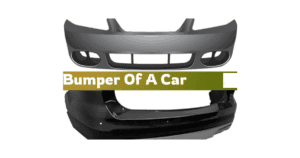 This guide is built from real experience, research, and trial-and-error. It’s not just technical jargon; it’s practical, human advice written for everyday drivers.
Whether you’re fixing accident damage, upgrading your style, or replacing a worn-out bumper, this article will help you understand what bumpers fit your car, how to choose the right one, and how to avoid wasting money.
By the end of this guide, you’ll know:
- How bumper compatibility really works
- OEM vs aftermarket bumper differences
- How to match bumpers to your exact car model
- Style, safety, and performance considerations
- What to buy and what to avoid
What Determines Bumper Fitment?
1. Vehicle Make, Model, and Year
This is the #1 rule of bumper fitment. A bumper must match:
- Make (Toyota, Honda, Ford, BMW, etc.)
- Model (Camry, Civic, F-150, Accord, etc.)
- Year range (2018–2020, 2021–2023, etc.)
Even small design changes between years can affect:
- Mounting points
- Sensor placement
- Headlight alignment
- Grill compatibility
Example:
A 2020 Honda Civic bumper will NOT fit a 2022 Civic without modifications, even though they look similar.
2. Trim Level
Trim levels matter more than people realize:
- Base model
- Sport
- Touring
- Premium
- Limited
- RS
- ST
Each trim may have:
- Different air vents
- Fog light holes
- Parking sensor mounts
- Camera placements
- Radar cruise modules
3. Body Style
The same model may come in multiple body styles:
- Sedan
- Coupe
- Hatchback
- Wagon
- SUV
- Truck
A sedan bumper, a hatchback bumper.
4. Sensor & Tech Compatibility
Modern cars include:
- Parking sensors
- Radar cruise control
- Lane assist cameras
- Collision avoidance sensors
- 360° cameras
If the bumper doesn’t support these, your safety systems won’t work properly.
OEM vs Aftermarket Bumpers
OEM (Original Equipment Manufacturer)
Pros:
- Perfect fit
- Factory quality
- Correct sensor mounting
- Factory paint match
- Guaranteed compatibility
Cons:
- Expensive
- Limited style options
Aftermarket Bumpers
Pros:
- Cheaper
- More style options
- Sporty designs
- Custom looks
Cons:
- Fitment issues possible
- Sensor holes may not align
- May need modifications
- Paint quality varies
Bumper Types Explained
1. Stock Replacement Bumpers
These look exactly like factory bumpers. Ideal for:
- Accident repairs
- Insurance claims
- Resale value preservation
2. Sport Bumpers
- Aggressive styling
- Larger air vents
- Lower lips
- Diffusers
Great for car enthusiasts and visual upgrades.
3. Off-Road Bumpers
- Steel construction
- Winch mounts
- Tow hooks
- LED light bars
Used on trucks and SUVs.
4. Custom/Body Kit Bumpers
- Fiberglass
- Carbon fiber
- Polyurethane
Designed for show cars and performance builds.
Comparison Table: OEM vs Aftermarket Bumpers
| Feature | OEM Bumper | Aftermarket Bumper |
| Fitment | Perfect | May vary |
| Price | High | Low–Medium |
| Style Options | Limited | Wide variety |
| Sensor Support | Full compatibility | Sometimes limited |
| Installation | Direct bolt-on | May require mods |
| Resale Value | Maintained | May reduce |
| Durability | High | Varies by brand |
How to Know Exactly What Bumper Fits Your Car
Step-by-Step Method
- Check your VIN
- Identify the exact model year
- Confirm trim level
- Verify body style
- Check sensor features
- Compare mounting brackets
- Match OEM part numbers
This process eliminates guesswork.
My Personal Experience
I once ordered a “guaranteed fit” bumper online for my car. Same model. Same year. Same brand. Guess what?
- Sensor holes didn’t line up
- Fog light mounts were wrong
- The grill didn’t fit
- Side clips didn’t lock
I learned the hard way: “Guaranteed fit” marketing means nothing without proper verification.
Buyer’s Guide: How to Choose the Right Bumper
1. Purpose
Ask yourself:
- Repair or upgrade?
- Daily driving or a show car?
- Off-road or city driving?
2. Budget Planning
Typical bumper price ranges:
- OEM: $400–$1,500+
- Aftermarket: $150–$800
- Performance/custom: $700–$3,000+
3. Material Type
- Plastic (ABS): lightweight, cheap
- Polyurethane: flexible, durable
- Fiberglass: light, fragile
- Steel: heavy-duty, off-road
- Carbon fiber: light, expensive
4. Paint Matching
Options:
- Pre-painted
- Paint-to-match
- Raw/unpainted
5. Installation
- DIY bolt-on
- Professional installation
- Custom fabrication
6. Legal & Safety
Check local laws for:
- Bumper height
- Sensor interference
- Crash safety regulations
Common Mistakes to Avoid
❌ Buying by looks only
❌ Ignoring trim levels
❌ Skipping sensor compatibility
❌ Not checking return policy
❌ Assuming all aftermarket fits
❌ Not verifying mounting points
Long Expansion: Real-World Practical Advice
The biggest myth in the car world is that “a bumper is just a bumper.” It’s not. It’s part of your car’s safety system, aerodynamic system, and structural protection. Modern bumpers integrate:
- Impact absorbers
- Crash bars
- Airflow channels
- Cooling ducts
- Sensor housings
- Safety modules
A wrong bumper can:
- Disable safety features
- Reduce crash protection
- Trigger dashboard errors
- Reduce fuel efficiency
- Affect alignment
- Lower resale value
In daily driving, bumpers take abuse from parking lots, debris, curbs, road trash, weather, heat, and vibration. Quality matters.
If you’re planning long-term ownership, OEM or high-quality aftermarket is always worth it. Cheap bumpers warp, fade, crack, and misalign within months.
Read More: How To Know If Your Car Oil Is Bad
FAQs: What Bumpers Fit My Car
What bumper fits my car exactly?
The bumper that matches your make, model, year, trim, body style, and sensor configuration.
Can I install a bumper from another model?
Not without heavy modifications.
Is the aftermarket bumper safe?
Yes, if it’s high quality and designed for your car.
Do bumpers affect insurance?
Yes. Non-OEM parts can affect claims and resale value.
Can I upgrade my bumper style?
Yes, but ensure sensor and mounting compatibility.
Are pre-painted bumpers worth it?
Sometimes, but paint match quality varies.
Can I install myself?
Stock replacements: yes. Custom/sport: usually no.
Do bumpers affect crash safety?
Absolutely. They are part of the impact absorption system.
Final Thoughts
If there’s one thing I’ve learned from replacing bumpers, it’s this:
The right bumper isn’t the cheapest one. It’s the one that fits properly, functions safely, and lasts long-term.
Choosing the right bumper protects:
- Your safety
- Your car’s value
- Your driving systems
- Your money
- Your peace of mind
Whether you’re repairing damage or upgrading style, fitment always comes first.