BMW doesn’t do things the “normal car” way. Instead of a simple dipstick, many modern BMWs rely entirely on an electronic oil level sensor. On paper, that sounds futuristic and convenient.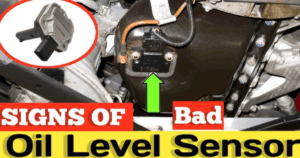 In reality? It can be confusing, frustrating, and expensive if you don’t know what’s going on. I’ve owned and worked on BMWs long enough to tell you this:
A faulty oil level sensor is one of the most misdiagnosed BMW problems out there. Owners panic. Warning lights come on. Oil gets overfilled. Engines get blamed. Meanwhile, the sensor itself might just be lying.
This article will walk you through:
- How BMW oil level sensors work
- Common symptoms of failure
- Multiple ways to test the sensor (DIY and professional)
- When to trust the reading and when not to
- Whether replacement is worth it
- What to look for when buying a new sensor
No fluff. No scare tactics. Just practical BMW ownership advice.
What Is a BMW Oil Level Sensor (And Why BMW Uses It)
BMW oil level sensors are typically mounted in the oil pan and measure oil level electronically rather than mechanically.
Why BMW ditched the dipstick
BMW removed dipsticks to:
- Reduce engine bay clutter
- Improve accuracy under different driving conditions
- Integrate oil monitoring into the car’s computer system
In theory, the system works well. In practice, sensors age, oil gets contaminated, wiring degrades, and software gets confused.
Common Symptoms of a Bad BMW Oil Level Sensor
Before testing anything, let’s talk about symptoms because these often tell the story before a tool ever does.
Warning signs BMW owners report
- “Oil Level Sensor Malfunction” warning
- Oil level stuck on “Measuring…” forever
- The oil level shows too high or too low, even after correct oil changes
- The oil light comes on randomly, then disappears
- The engine oil service reminder appears early
- The car refuses to display the oil level at all
Important note:
👉 A bad sensor does NOT usually affect engine performance directly, but it can cause you to overfill or underfill oil, which will hurt your engine.
How BMW Oil Level Sensors Actually Measure Oil
BMW sensors typically measure oil level using:
- Thermal measurement (heating element)
- Oil temperature and resistance changes
- Engine operating conditions
This means:
- The car must be warm
- The car must be on level ground
- The engine must be off for a short time
If any of those conditions aren’t met, the reading may be inaccurate even if the sensor is fine.
First Things First: The Basic BMW Oil Level Test
Before grabbing tools or crawling under the car, do this.
Step-by-step basic check
- Drive the car for 10–15 minutes
- Park on flat ground
- Turn off the engine
- Wait 2–5 minutes
- Use iDrive or the instrument cluster to check the oil level
If the oil level:
- Reads normally → sensor may be fine
- Never completes measurement → sensor suspect
- Shows wildly incorrect levels → sensor likely failing
This test alone catches a surprising number of false alarms.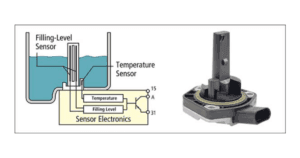
How To Test a BMW Oil Level Sensor (DIY Methods)
Now we get into the real testing.
Method 1: Scan Tool Diagnosis (Most Reliable DIY Test)
A BMW-capable scan tool is your best friend here.
What you need
- BMW-specific OBD scanner (Foxwell, Carly, Launch, Autel)
- Access to the engine control module (DME)
What to check
- Fault codes related to oil level or oil temperature
- Live data for oil level and oil temperature
- Sensor communication status
Common BMW fault codes
- 2F9A / 2F9E – Oil level sensor faults
- P250E – Oil level sensor circuit
- Communication errors with DME
If codes are present and keep returning after clearing → sensor or wiring issue.
Method 2: Visual Inspection (Often Overlooked)
This one is simple but powerful.
What to look for
- Oil leaks near the sensor
- Oil-soaked wiring
- Broken or brittle connector
- Corrosion at the plug
BMW oil level sensors live in a harsh environment. Oil, heat, road salt, and vibration all take their toll over time.
If the connector looks nasty, the sensor may be fine, but the signal isn’t getting through.
Method 3: Multimeter Resistance Test (Advanced DIY)
This method requires mechanical confidence.
What you need
- Jack and Jack stand
- Multimeter
- Wiring diagram (recommended)
General steps
- Disconnect battery
- Access oil pan sensor
- Unplug sensor
- Measure resistance across terminals
BMW doesn’t publish universal resistance values, but:
- Open circuit or infinite resistance = bad sensor
- Short circuit = bad sensor
If readings are erratic or change wildly when the connector is moved, wiring may be the issue.
One Comparison Table: Testing Methods Explained
| Testing Method | Skill Level | Accuracy | Cost | Best For |
| iDrive Basic Check | Beginner | Low–Medium | Free | Quick confirmation |
| BMW Scan Tool | Intermediate | High | $120 | Most owners |
| Visual Inspection | Beginner | Medium | Free | Oil leaks & wiring |
| Multimeter Test | Advanced | High | $180 | DIY mechanics |
| Dealer Diagnostic | Professional | Very High | $200 | Warranty or complex issues |
When the Sensor Is Fine (But BMW Still Lies)
This happens more than people admit.
Situations that confuse the system
- Cold engine checks
- Short trips only
- Slightly overfilled oil
- Software glitches after battery replacement
- Oil change without a proper reset
Pro tip:
👉 Always reset oil service data after an oil change, even if the oil level looks correct.
Buyer’s Guide: Replacing a BMW Oil Level Sensor
If testing confirms the sensor is bad, replacement is usually the fix.
What to look for when buying
- OEM or OEM-equivalent brand
- Correct part number for your engine
- New gasket included
- Warranty (even short ones help)
OEM vs aftermarket
- OEM: Best reliability, higher cost
- Aftermarket: Cheaper, quality varies wildly
Avoid ultra-cheap no-name sensors. Saving $40 now can cost you thousands later.
Replacement Cost Breakdown
Typical costs in the U.S.
- Sensor part: $120–$250
- Labor: $150–$400
- Total: $300–$600
Why is high:
- The sensor is mounted in the oil pan
- Oil must be drained
- Sometimes subframe access is required
Yes, BMW makes it harder than it should be.
Can You Drive With a Bad BMW Oil Level Sensor?
Short answer: Yes, but carefully.
Safe driving tips
- Manually track oil changes
- Avoid overfilling
- Check for oil leaks regularly
- Don’t ignore low oil pressure warnings (different system!)
A bad oil level sensor is annoying but not immediately catastrophic if you stay on top of oil maintenance.
Long-Term Ownership Advice (From One BMW Owner to Another)
BMW ownership gets easier when you:
- Stop panicking at every warning
- Learn which sensors fail often
- Invest in a good scan tool
- Track maintenance manually
The oil level sensor is one of those “BMW tax” parts. Annoying, yes, but manageable.
Read More: How To Do An Oil Pressure Test
FAQs: How To Test BMW Oil Level Sensor
How long does a BMW oil level sensor last?
Typically 80,000–120,000 miles, depending on heat, oil quality, and driving style.
Can a bad oil level sensor cause engine damage?
Indirectly, yes, if it leads to incorrect oil levels. The sensor itself doesn’t harm the engine.
Will a BMW fail inspection with a bad oil sensor?
In most states, no, unless it triggers a check engine light.
Is it safe to reset the warning without fixing it?
You can reset it, but if the sensor is truly bad, the warning will return.
Can software updates fix oil sensor issues?
Sometimes. BMW software updates can resolve false readings but not physical sensor failure.
Should I replace the sensor during an oil pan gasket job?
Absolutely. Labor overlap makes it a smart preventative replacement.
Final Thoughts: Is Testing the BMW Oil Level Sensor Worth It?
Yes. Always. Testing saves:
- Money
- Time
- Stress
- Unnecessary repairs
BMW oil sensors aren’t evil; they’re just misunderstood. Once you know how to test them properly, they stop being scary and start being manageable.