I’ll be honest, I used to think engine oil was one of those “out of sight, out of mind” car things. As long as the car started and didn’t sound like a lawn mower, I figured everything was fine, big mistake.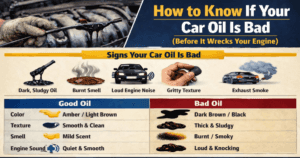 One summer, my car started feeling sluggish. Nothing dramatic, just a little louder, a little rougher. I ignored it. A few weeks later, the oil light flickered on, and when I finally checked the dipstick… yeah, the oil was black, thick, and smelled burnt.
The damage wasn’t catastrophic, but it was expensive enough to teach me a lesson I’ll never forget. That’s why knowing how to tell if your car oil is bad is one of the easiest, cheapest ways to protect your engine.
Why Engine Oil Matters More Than You Think
Engine oil does more than just “keep things moving.” It:
- Lubricates engine parts to prevent friction
- Reduces heat and prevents overheating
- Cleans contaminants and metal particles
- Prevents corrosion and rust
- Improves fuel efficiency
- Extends engine life
When oil goes bad, every one of these jobs suffers. Bad oil doesn’t protect your engine; it slowly destroys it.
What Does “Bad” Engine Oil Actually Mean?
Engine oil becomes bad when it:
- Breaks down from the heat
- Gets contaminated with dirt, fuel, or coolant
- Loses viscosity (thickness)
- Collects metal shavings
- Oxidizes over time
Even if your car hasn’t hit the recommended mileage, oil can still degrade based on time, driving habits, and conditions.
The Most Common Signs Your Car Oil Is Bad
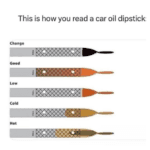
1. Oil Color Is Too Dark or Sludgy
Fresh oil is:
- Amber
- Light brown
- Transparent
Bad oil is:
- Dark brown or black
- Thick
- Gritty
- Opaque
How to check:
Pull the dipstick, wipe it clean, reinsert, then pull it out again. If the oil looks like used coffee or molasses, it’s time.
Pro tip: Some darkening is normal. What you’re looking for is thickness and sludge, not just color.
2. Burnt or Smoky Oil Smell
Good oil smells… well, like oil. Bad oil smells:
- Burnt
- Smoky
- Like hot metal or exhaust
If you smell burning oil inside or outside the car, that’s a red flag.
3. Engine Sounds Louder Than Normal
Your engine should hum, not clatter. Bad oil can cause:
- Knocking
- Ticking
- Rattling
- Rough idle
That noise is metal parts rubbing together without proper lubrication.
4. Oil Feels Gritty Between Your Fingers
Rub a small drop of oil between your fingers.
- Smooth = good
- Gritty or sandy = bad
Grit means dirt or metal particles are floating around your engine.
5. Thick, Sticky, or Sludgy Texture
Old oil loses viscosity stability. It may become:
- Too thick (sludge)
- Too thin (watery)
Either way, it can’t protect engine components properly.
6. Oil Level Drops Faster Than Normal
If you’re constantly topping off oil, bad oil could be:
- Burning off
- Leaking due to a breakdown
- Evaporating from excessive heat
Fresh oil maintains volume better.
7. Oil Change Light or Check Engine Light Comes On
Modern cars use sensors to detect oil quality and pressure. If the oil light turns on:
- Don’t ignore it
- Don’t “wait till the weekend.”
- Check oil immediately
8. Poor Gas Mileage
Bad oil increases friction, which forces the engine to work harder. If your MPG suddenly drops:
- Old oil could be part of the problem
9. Exhaust Smoke (Blue or Gray)
Blue or gray smoke can indicate oil burning inside the engine. That’s often caused by:
- Degraded oil
- Poor lubrication
- Internal wear
Comparison Table: Good Oil vs Bad Oil
| Feature | Good Engine Oil | Bad Engine Oil |
| Color | Amber / light brown | Dark brown/black |
| Texture | Smooth, slippery | Thick, gritty, sludgy |
| Smell | Mild oil scent | Burnt or smoky |
| Engine Sound | Quiet, smooth | Loud, ticking, knocking |
| Fuel Efficiency | Normal | Reduced |
| Engine Protection | High | Low |
| Risk Level | Safe | High risk |
How Long Does Engine Oil Last Really?
Mileage Is Only Half the Story
Oil life depends on:
- Driving habits
- Climate
- Oil type
- Engine condition
General Guidelines:
- Conventional oil: 3,000–5,000 miles
- Synthetic blend: 5,000–7,500 miles
- Full synthetic: 7,500–10,000 miles
But even full synthetic oil can go bad over time, usually after 6–12 months.
Driving Habits That Ruin Oil Faster
Your oil degrades faster if you:
- Take lots of short trips
- Drive in stop-and-go traffic
- Too heavy loads
- Drive in extreme heat or cold
- Idle for long periods
City driving is way harder on oil than highway driving.
Buyer’s Guide: Choosing Oil That Lasts Longer
1. Conventional Oil
Best for: Older vehicles, tight budgets
Pros: Cheap, widely available
Cons: Breaks down quickly
2. Synthetic Blend
Best for: Daily drivers
Pros: Better protection, moderate price
Cons: Not as durable as a full synthetic
3. Full Synthetic Oil
Best for: Modern engines, long intervals
Pros: Superior protection, cleaner engine
Cons: Higher cost
4. High-Mileage Oil
Best for: Cars over 75,000 miles
Pros: Conditions seals, reduces leaks
Cons: Slightly thicker
How to Pick the Right Oil
Always check:
- Owner’s manual
- Oil viscosity (e.g., 5W-30)
- API certification
- Manufacturer approvals
Using the wrong oil can make it go bad faster, even if it’s brand new.
Can Bad Oil Damage Your Engine?
Short answer: Yes, absolutely. Long answer: Bad oil causes:
- Increased friction
- Overheating
- Sludge buildup
- Premature engine wear
- Seized engine in extreme cases
Oil is cheaper than engines. Always.
How Often Should You Check Your Oil?
I recommend:
- Once a month
- Before long road trips
- Anytime the engine feels “off.”
Checking oil takes less than 2 minutes and can save thousands.
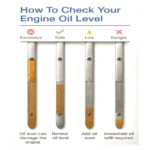
Step-by-Step: How to Check Oil Properly
- Park on level ground
- Turn off the engine and wait 5 minutes
- Pull the dipstick and wipe it clean
- Reinsert fully
- Pull again and inspect
Look at:
- Level
- Color
- Texture
- Smell
Common Myths About Engine Oil
Myth 1: “Dark oil is always bad.”
Not always. Darkening means it’s doing its job,b but sludge isn’t normal.
Myth 2: “Synthetic oil never goes bad.”
False. Time still degrades oil.
Myth 3: “You only need oil changes when the light comes on.”
Dangerous thinking. That light often means damage has already started.
Read More: When Parking Parallel It Is Best To Leave The Curbside Wheels
FAQs: How To Know If Your Car Oil Is Bad
How do I know if my oil is bad without tools?
Check color, smell, texture, and engine sound using the dipstick.
Can bad oil cause my car to stall?
Yes. Severe oil degradation can affect engine performance and cause stalling.
Is black oil always bad?
Not always, but thick, gritty, or burnt-smelling black oil is bad.
Can I just top off bad oil?
No. Mixing fresh oil with degraded oil reduces effectiveness.
How long can I drive with bad oil?
Every mile increases damage. Change it as soon as possible.
Does bad oil affect fuel economy?
Yes. Increased friction reduces MPG.
Can bad oil trigger the check engine light?
Absolutely, especially in modern vehicles.
Final Thoughts: Don’t Wait for a Warning Light
If there’s one thing I’ve learned from years of driving (and a few painful repair bills), it’s this:
Your car talks to you long before it breaks down. Bad oil is one of the clearest warnings; it changes color, smell, sound, and feel.
Checking your oil is one of the simplest acts of car ownership, but it delivers massive returns in reliability, performance, and peace of mind.