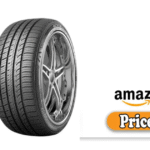
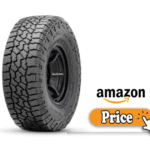
When it was time to replace the tires on my car, I found myself typing into Google: “Kumho tires near me,” and that search turned into a real-world experience I figured I’d share with you. Why? Tires are rarely glamorous, but they’re one of the most important parts of your car when it comes to safety, ride comfort, and wear cost.
If you’re on the fence about the brand Kumho Tire (or simply want a personal perspective beyond the usual marketing speak), this is my story: what I liked, what I wish were better, how they performed, the design, the build, alternatives, and ultimately, whether I’d buy them again.
I bought a set of Kumho tires for my sedan (in the U.S.) from a local tire shop. I wanted something that gave good value, decent performance, and a reasonable warranty, but I wasn’t aiming for the ultra-premium tier. Here’s how it went down.

What I Like
- Value for money: One of the strongest points for me is that Kumho often undercuts the premium brands (Michelin, Bridgestone, etc.) on street price, yet still offers solid all-season (or even all-weather) capability.
- For example, a recent independent review of the Kumho Solus 4S noted that the tire “felt more anchored to the ground… quiet and in control” and for a lower cost than its premium peer.
- Quiet, comfortable ride: After installation, I immediately noticed slightly less road noise than my previous tires. The tires felt composed on everyday roads, which makes a difference when you drive a lot and don’t want a constantly rough, buzzy ride.
- Some reviewers have pointed that out too: “Quiet. No noise… the tread pattern also helps to quiet the stickier, more pliable compound.”
- Good wet and light-snow performance (depending on the model): I live in a region where rain is common, and while we don’t get major snow stormssnowstormsing, tires that don’t feel like greased sleds in the rain are important.
- My set (Kumho Solus 4S all-weather) felt confident in typical rain-soaked roads. From reviews: the chevron-style tread pattern helps push water away and improves grip in light snow.
- Decent brand heritage: It’s not some no-name fly-by-night product. Kumho is a South Korean company founded in 1960 and distributes globally. So while brand alone isn’t everything, you’re not gambling on an unknown.
- Easy to find locally: Because I searched “Kumho tires near me,” I found at least a few tire shops in my metro area that stocked the model I wanted.
That made logistics simpler, nd the installation shop did the front-end alignment, mounting, and rotation as part of the package. Having local availability is underrated.
 👉🏿👉🏻 Check the Latest Price and Offer at Amazon 👈🏻👈🏿
What Could Be Better
- Tread-life/wear concerns: While I liked many attributes, I’ve seen multiple reports (and the warranty fine print) that suggest some Kumho tires may not last quite as long under heavy use compared to top-tier brands.
- For example, on review platforms, you’ll see comments like “tires started coming apart at 24,000 miles… would not recommend.” On the Reddit forum:
- “They are some of the best budget tires on the market. Not as good as an expensive [sic] Michelin or Continental…” So the trade-off is: you get good performance for the price, but maybe not the ultra-longevity of the most expensive premium brands.
- Customer service/warranty experience can be inconsistent: A handful of less favorable reviews indicate that when warranty claims were made, the process was messy or unsatisfactory.
- For example, consumers remarked about poor response or difficulties qualifying the tires for mileage warranties. That doesn’t mean every case is bad, but it’s something to keep in mind.
- Not always the absolute best in extreme conditions: If you drive high-performance vehicles, track your car, or live where heavy snow is common, then some premium tires might offer marginally better grip, braking, or durability.
- In a comparison article, Kumho was described as “good” but not “as good as the premium brands” in ultra-demanding conditions.
- Model variability matters: “Kumho” is a brand umbrella; different models (Solus, Ecsta, Crugen, etc.) have different designs and intended uses.
- My positive experience may not translate if you pick a different model or use the tire out of the intended usage (e.g., heavy truck / off-road).
- Warranty fine print: As with most tires, the advertised 60,000-mile warranty (or whatever the number is) has conditions (rotations at set intervals, alignment, etc.).
- If you don’t follow all maintenance steps, your claim could be denied. Some reviewers say they were told “we don’t cover new cars” or “that batch is different.”
My Personal Experience
Here’s how my experience went from start to the present (about ~12,000 miles in).
The Purchase & Installation
I visited a local tire shop after searching “Kumho tires near me” and identified the Kumho Solus 4S (all-weather) in the size appropriate for my sedan. The shop recommended it as a good match for my driving style (commuter + occasional long highway trips) and climate (moderate rain, occasional cold snaps, but not heavy mountain snow).
Price was competitive (less than the equivalent premium brand). Installation included new tires, mounting, balancing, disposal of old tires, and an alignment check for an extra fee (which I opted in).
First Impressions
Immediately after installation, I noticed a firmer but comfy ride. The car felt more solid over grooves and at highway speeds. Noise dropped a notch relative to the tires I replaced (which were older and likely worn unevenly).
The steering felt a bit more direct. Within a week, even on my daily commute (lots of stop/go, some side streets, some highway), I appreciated the quieter, smoother feel.
Wet Weather Test
A few weeks in, we had a heavy downpour. Road surfaces were slick, midday sun, then brief showers, puddles forming.
The tires handled it well no noticeable aquaplaning; the car felt planted. The chevron tread and newer compound helped me think. I was pleased to have the tires on that day.
Long-Term (12,000 miles so far)
After ~12k miles, tread wear seems even; no weird cupping or excessive shoulder wear. I had the car aligned when I installed the tires, and I’ve rotated them per the shop’s recommendation (every ~6k miles).
I haven’t had any abnormal vibration or noise. Ride continues to be smooth. Fuel economy (within my margin of error) is about what it was before on the old tires. I haven’t yet tested in heavy snow.
Unexpected / Minor Issues
One thing: the sidewall feels slightly less “rigid” than the premium brand I had before, meaning I can feel a tiny bit more side-flex when taking sharper corners. For my typical driving, it’s fine, but I noticed it when pushing the car in a curve.
Also, I did check warranty details and discovered that to support a full-mileage warrant, I need to m, maintain rotations every 6k miles and keep records for peace of mind..d I’m keeping documentation.
Would I Do It Again?,
Yes, for my use case. I’m not tracking the car or running it at high speed on the edge., I drive daily, sometimes on highway trips, and it’s a factor. In that scenario, the Kumho Solus 4S has hit a sweet spot of performance + value + comfort.
If I had a high-performance car or lived in heavy snow country, I might consider a higher-tier tire. But for now, I’m happy.
Design
Let’s dive into what’s going on under the hood (so to speak) with the tire design, because that helps understand where the strengths and trade-offs come from.
Brand & Model Background
Kumho Tire is a South Korean company founded in 1960, now distributing globally and producing tires for more than 180 countries. Their product portfolio covers a wide range from touring tires and all-season to ultra-high performance and truck tires.
The specific model I installed, the Solus 4S, is designed as an “all-weather” tire (rather than pure all-season), meaning it is engineered to handle light snow in addition to dry and rainy conditions. One review explains:
“This is one of the early adopters of a new trend in tire design: the chevron tread pattern. The inward V-pattern creates friction and pressure to force water away from under the tire, and in snow or slush it allows the tire to yield a bit, creating more grip … Kumho uses pine resin in its rubber compound … which is pretty cool.”
Tread Pattern & Compound
- Chevron (V-shaped) tread blocks: help evacuate water, improve grip, enhance mild snow performance.
- Compound with pine resin: According to the review, this gives the tire more pliability, which translates to better grip in mixed conditions.
- All-weather rating: While many tires are “All-Season,” the Solus 4S being “All-Weather” suggests more aggressive tread and compound for winter-adjacent conditions.
- Noise reduction design: The tread pattern reportedly reduces road noise because there are fewer large “knobbly” tread blocks. From the review: “Quiet. No noise. … The tread pattern also helps to quiet the stickier … compound.”
Warranty & Specification
Kumho advertises mileage warranties (for certain models) such as 60,000 miles. The pricing tends to be more moderate than ultra-premium brands, which is a key part of the value proposition.
In a comparative article, Kumho was described as “fairly well and has good treadwear, especially when you consider the cost.”
Fit & Usage Considerations
Because design is always a compromise, here are some considerations to keep in mind:
- If you drive very aggressively or have a car with very high cornering loads, the sidewall or tread might flex more than a premium ultra-performance tire.
- If you live in deep snow or ice conditions, while the all-weather design helps, it may not match a dedicated winter tire’s bite.
- Proper installation (alignment, rotation, balancing) plays a big role in real-world performance and longevity.
- If you beat the tires up (for example, lots of hard starts, high speeds, heavy loads), then wear might accelerate.
Performance
Based on my experience plus what others have reported, here’s how the Kumho tires performed across key domains.
Dry Road Performance
On dry pavement, the tires felt confident. The initial “new tire” firmness helped; the car felt a bit more responsive than my previous worn-out tires. Steering input felt direct, and I could feel the car hold its line better in corners than before (though I’m not a track driver).
Braking performance felt equivalent or slightly better than the previous set, though I don’t have lab data.
Wet Road & Rain Performance
This is where the tire impressed me. On rain-soaked surfaces and wet highways, the car felt composed. I did not feel undue slip or instability even when hitting standing water (though obviously I treated the situation with caution).
The tread design appears to deliver on its promise of water evacuation and traction in wet conditions. The review quoted earlier said: “I could imagine the tread … acting sort of like a snow-plow, pushing water away … The feeling is control.”
Light Snow / Cold Conditions
In colder weather (below ~40 °F), the tire still felt acceptable. I haven’t driven in deep snow yet, so I can’t personally attest to heavy snow performance. But for light snow and slush, reviewers suggest it offers good grip. One review says they called it “all-weather” rather than simply “all-season” because of that capability.
If I lived in a region with heavy winters, I would still rotate to dedicated winter tires, but for my moderate climate, this set seems fine.
Comfort & Noise
As noted above, comfort is strong. Road noise is low, ride sis smooth. One thing I felt: on rough surfaces, the tire absorbed irregularities confidently, though compared to an ultra-premium tire, the sidewall had slightly more give. But again, for daily driving, he difference is very minor.
Longevity & Wear
Here’s where some caution is needed: needed soar (~12k miles), y myires look good and wear is even. But I know from multiple sources that some Kumho owners have reported earlier wear or issues when alignment or rotations weren’t maintained. On a forum, one user wrote:
“Good low-cost tires. A bit of road noise… all around good quality tires.” But also, “They don’t seem to be a terrible tire. They do seem to wear rather quickly, though.”
Additionally, ConsumerAffairs listings contain complaints like “tires started coming apart at 24,000 miles” and “warranty run around.” This tells me: the actual wear you get depends a lot on how you drive, how well you maintain alignment/rotation, and how aggressive the use is.
For average daily driving with decent maintenance, I think you’ll get solid service, but if you expect 80k miles of wear as some premium brands promise, you may want to monitor carefully.
Value vs. Premium Brands
Comparative articles suggest that for many people, the Kumho performs very close to a premium tire but at a lower cost. Example: the “Kumho vs Michelin” article said:
“Kumho tires provide good handling … but may not offer higher responsiveness as compared to other premium brands.” If you factor cost per mile of service + performance, I believe my purchase delivers good value.
Build Quality
What can we say about the build quality of Kumho tires? Based on brand, manufacturing pedigree, and my observations:
- Reputable manufacturing: Kumho has R&D centers globally and is an OEM supplier for many car manufacturers. That gives me confidence that the baseline manufacturing & engineering is solid.
- Materials & compound: The use of newer compounds (e.g., pine resin in Solus 4S) suggests decent investment in materials. The tread pattern also looks well designed.
- Consistency: My set appears consistent, no bulges, no unusual side-wall deformities, no weird manufacturing defects in the first 12k miles. That is a good sign.
- Installation matters: As with any tire brand, proper installation (balanced, aligned, correct pressures) plays a huge role in realizing the design and avoiding premature issues.
- Durability caveats: While build quality is good, wear & lifetime may vary; some users report earlier wear when alignment or maintenance were not ideal. So build quality alone isn’t a guarantee of long life; usage & maintenance matter big time.
Read More: Michelin Tires Near Me | My Honest Review
Alternative Option
When I was shopping, I considered other brands and models. If you’re searching “Kumhotires for near me,” you might as well consider these alternatives so you can compare.
- Premium Alternative: Michelin Primacy or CrossClimate2
If the budget allows, Michelin is a benchmark. Many reviews suggest that Michelin offers slightly better longevity, marginally better performance in extreme conditions, but at a higher price. For example, the comparative article said Michelin “offers excellent handling … ideal for high performance vehicles.” So if you have a bad budget, drive hard, or live in harsh weather, a premium tire may be worth the extra cost. cost - Mid-Tier Alternative: Goodyear Assurance or Eagle series
Goodyear offers a strong mix of performance, warranty, and brand consciousness. If local shops carry Goodyear deals, they might be slightly pricier than Kumho but still below the ultra premium. - Budget/Value Alternative: Falken Ziex or General Tire Altimax series
If the budget is tight, these brands often get good reviews for value. They may not have the marketing glitz, but many drivers report solid real-world results. - Dedicated Winter Option (if you need it): If you live in heavy snow or ice, consider a dedicated winter tire (e.g., Michelin X-Ice, Bridgestone Blizzak) instead of relying on an all-weather tire. My Kumho is fine for light snow, but I’d switch out if I were in a deep-snow region.
When comparing, key metrics to check: tread warranty miles, wet performance ratings, noise/comfort, cost per tire + installation + maintenance (rotations/alignment).
Also look locally: what deals the shop offers, what sizes and models they have in stock, and what the installation includes.
Final Thoughts
If you’ve searched for “Kumho tires near me” because you’re weighing whether this brand is worth it, here’s my takeaway:
Yes, I would recommend Kumho (for typical U.S. daily driving, with moderate weather, and if you maintain your car). You get very good value, strong wet/dry performance, comfort, and a decent warranty.
Just keep your expectations realistic: you may not get the absolute longest wear or the marginal edge in ultra-performance or harsh winter conditions that the highest cost tires offer. Also be b,e diligent with alignment, rotation, pressure, and documentation if you expect to rely on any mileage warranties.
If I were to encapsulate my view: For 90%+ of drivers (commute, family car, highway + local roads), the Kumho tire I chose hits the sweet spot of “good performance + good comfort + reasonable price”. If you drive really hard, track the car, live in extreme climates, then maybe step up. But for everyday use? I’m happy I pulled the trigger.