There’s nothing worse than turning on your car’s air conditioner during a hot summer day only to discover it’s blowing warm air. I’ve been there myself. After checking refrigerant levels and inspecting the compressor, I eventually discovered the culprit: a faulty AC pressure switch.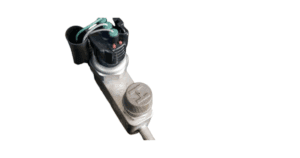 Testing a car AC pressure switch may sound complicated, but after doing it several times on different vehicles, I realized it’s actually one of the easier AC components to diagnose if you know the correct procedure.
In this guide, I’ll share my personal experience, explain exactly how to test an AC pressure switch, and help you decide whether it’s time to replace it or fix another issue within your vehicle’s air conditioning system.
What Is a Car AC Pressure Switch?
The AC pressure switch is a safety device installed within your vehicle’s air conditioning system. Its main job is to monitor refrigerant pressure and protect expensive components like the compressor from damage.
When pressure becomes too:
- High
- Low
- Unsafe
the switch temporarily disables compressor operation. Without this simple component, your compressor could easily overheat or seize.
Why Testing the AC Pressure Switch Matters
A faulty pressure switch can cause several frustrating problems:
- AC blows warm air
- Compressor won’t engage
- Compressor cycles rapidly
- Cooling is inconsistent
- Dashboard AC warning lights
- Reduced fuel efficiency
Many people mistakenly replace the compressor first, which can cost hundreds or even thousands of dollars when the pressure switch is actually the problem.
Common Symptoms of a Bad AC Pressure Switch
Here are the warning signs I noticed before replacing mine.
| Symptom | Possible Cause | Severity |
| Warm air from vents | Compressor disabled | Medium |
| Compressor won’t turn on | Faulty switch | High |
| Compressor rapidly cycles | Pressure switch failure | Medium |
| AC works intermittently | Electrical fault | Medium |
| AC fuse repeatedly blows | Internal short | High |
| Check Engine Light | Sensor communication issue | Medium |
How an AC Pressure Switch Works
Think of it like a gatekeeper. When refrigerant pressure stays within the manufacturer’s safe operating range, the switch allows the compressor clutch to engage.
If pressure becomes:
- Too low (refrigerant leak)
- Too high (blocked condenser)
- Excessively dangerous
the switch opens the electrical circuit and shuts off compressor operation. This protects the entire AC system.
Tools You’ll Need
Fortunately, testing doesn’t require expensive equipment. I typically use:
- Digital multimeter
- AC manifold gauge set
- Safety glasses
- Mechanic gloves
- Flashlight
- Wiring diagram
- Basic socket set
- OBD-II scanner (optional)
Step-by-Step: Testing a Car AC Pressure Switch
Step 1: Locate the Pressure Switch
Most vehicles place it on:
- AC high-pressure line
- Receiver-drier
- Accumulator
- Condenser line
Consult your owner’s manual if you’re unsure.
Step 2: Perform a Visual Inspection
Before grabbing any tools, inspect for:
- Broken connector
- Corrosion
- Oil residue
- Refrigerant leaks
- Loose wiring
Sometimes the issue is simply a damaged connector.
Step 3: Check Refrigerant Pressure
Connect an AC manifold gauge set. If refrigerant pressure is extremely low, the pressure switch may actually be doing its job by preventing compressor operation. Always verify system pressure first.
Step 4: Disconnect the Electrical Connector
Turn off the engine.
Disconnect the wiring connector carefully.
Avoid damaging the plastic locking clip.
Step 5: Test Continuity
Using your digital multimeter:
- Set the meter to continuity.
- Touch probes to switch terminals.
- Compare readings with manufacturer specifications.
A failed continuity test often indicates an internal switch failure.
Step 6: Measure Voltage
Reconnect the battery.
Turn ignition ON.
Measure voltage at the connector.
Expected reading:
Approximately 12 volts (depending on vehicle design).
No voltage may indicate:
- Bad relay
- Faulty fuse
- Broken wiring
- Climate control issue
Step 7: Jump the Switch (Temporary Test Only)
Many technicians temporarily bypass the pressure switch using a jumper wire. If the compressor suddenly engages:
The switch may be faulty.
Never leave the jumper installed permanently.
This removes compressor protection and can cause serious damage.
My Personal Experience Testing an AC Pressure Switch
My sedan’s AC suddenly stopped cooling one afternoon.
Initially, I assumed the compressor had failed.
Fortunately, I tested everything before ordering expensive parts.
The refrigerant pressure looked normal.
Power reached the connector.
But the pressure switch showed no continuity.
Replacing the switch took less than 30 minutes.
Total repair cost:
Around $40 instead of replacing a $700 compressor.
That experience convinced me to always diagnose before replacing components.
Common Mistakes to Avoid
Many DIY mechanics accidentally make these mistakes.
Skipping Refrigerant Pressure Testing
A good pressure switch won’t activate if refrigerant is genuinely low.
Assuming the Compressor Is Bad
The compressor often gets blamed unfairly.
Ignoring Electrical Problems
Bad wiring frequently mimics pressure switch failure.
Jumping the Switch Permanently
Never bypass safety systems.
Comparison Table: Testing Methods
| Testing Method | Difficulty | Cost | Accuracy | Recommended |
| Visual Inspection | Easy | Free | Moderate | Yes |
| Multimeter Test | Easy | Low | High | Highly Recommended |
| Manifold Gauge Test | Moderate | Medium | Very High | Best |
| OBD-II Scanner | Easy | Medium | Moderate | Helpful |
| Professional Diagnosis | Easy | High | Excellent | Best for Complex Issues |
When Should You Replace the Pressure Switch?
Replace it if:
- Continuity test fails
- Internal short exists
- Physical damage is visible
- Connector pins are melted
- Diagnostic codes confirm switch failure
Most switches last between 8 and 15 years.
Buyer’s Guide: Choosing the Right AC Pressure Switch
If you determine the pressure switch needs replacement, selecting the correct part is essential.
1. OEM vs Aftermarket
OEM parts provide the best fit and reliability, while quality aftermarket switches can save money if purchased from reputable brands.
2. Vehicle Compatibility
Always verify:
- Make
- Model
- Year
- Engine size
- VIN (if required)
3. Connector Style
Pressure switches may look similar but use different electrical connectors. Compare the old switch carefully before purchasing.
4. Pressure Ratings
Ensure the replacement matches the original operating pressure specifications. Using the wrong rating can lead to poor AC performance or compressor damage.
5. Build Quality
Look for:
- Corrosion-resistant terminals
- Durable housing
- High-quality seals
- Manufacturer warranty
6. Brand Reputation
Choose trusted manufacturers known for producing reliable automotive sensors and switches rather than the cheapest option available.
Can You Drive with a Bad AC Pressure Switch?
Usually yes. However:
- AC won’t cool properly.
- Compressor may not operate.
- Defrost performance may suffer.
- Long-term issues can develop if the compressor is forced to run without proper protection.
It’s best to diagnose and repair the issue as soon as possible.
Maintenance Tips to Extend AC Pressure Switch Life
Simple maintenance helps extend the life of both the switch and the entire AC system.
- Run the AC for a few minutes every week, even in winter.
- Keep refrigerant at the correct level.
- Replace leaking O-rings promptly.
- Clean the condenser regularly.
- Repair electrical corrosion early.
- Replace the cabin air filter according to the maintenance schedule.
- Have the AC system inspected periodically.
Read More: What Is A Gearbox On A Car
FAQs: Testing Car AC Pressure Switch
How do I know if my AC pressure switch is bad?
Common signs include warm air from the vents, a compressor that won’t engage, intermittent cooling, rapid compressor cycling, and diagnostic trouble codes related to the AC system.
Can I test an AC pressure switch with a multimeter?
Yes. A multimeter can be used to check continuity and voltage, making it one of the easiest and most effective diagnostic tools for pressure switch testing.
Can low refrigerant make the pressure switch appear faulty?
Absolutely. The pressure switch is designed to disable the compressor when refrigerant pressure drops below safe levels, so always check system pressure before replacing the switch.
Is it safe to bypass the AC pressure switch?
Only for a brief diagnostic test. Permanently bypassing the switch removes an important safety feature and can lead to severe compressor damage.
How much does it cost to replace an AC pressure switch?
Replacement costs vary depending on the vehicle. The switch itself is often relatively inexpensive, while labor costs depend on accessibility and local repair rates.
Where is the AC pressure switch located?
It is typically mounted on the high-pressure refrigerant line, receiver-drier, accumulator, or condenser line, depending on the vehicle design.
Can a bad pressure switch prevent the AC compressor from turning on?
Yes. One of the switch’s primary functions is to interrupt power to the compressor clutch when system pressure is outside the safe operating range.
Should I replace the pressure switch myself?
If you have basic mechanical skills and the switch can be removed without opening the sealed refrigerant system, it may be a suitable DIY repair. If refrigerant recovery is required, the repair should be performed with proper equipment.
Final Thoughts
Testing a car AC pressure switch is one of the smartest diagnostic steps you can take before replacing expensive air conditioning components.
In my experience, a faulty pressure switch can mimic compressor failure, leading many vehicle owners to spend far more than necessary. With a digital multimeter, an AC manifold gauge set, and a little patience, most DIY enthusiasts can accurately determine whether the switch is functioning correctly.
Always remember to verify refrigerant pressure before condemning the switch, follow safe testing procedures, and avoid permanently bypassing this important safety device. A careful diagnosis can save significant time, money, and frustration while keeping your vehicle’s air conditioning system operating reliably.