If you’ve ever accidentally filled your vehicle with old, contaminated, or incorrect fuel, you’re definitely not alone. It happened to me during a road trip when I unknowingly purchased fuel from a station that had recently experienced water contamination.
Within minutes, my car began hesitating, idling roughly, and eventually struggled to accelerate. That experience taught me an important lesson: acting quickly and safely can prevent thousands of dollars in repairs.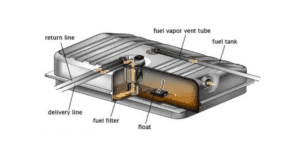 Rather than attempting risky DIY methods, I discovered that understanding the symptoms, knowing when to call a professional, and using the right products made the process much easier.
This guide shares everything I learned from recognizing bad fuel to choosing the safest solution so you can protect your vehicle and avoid unnecessary expenses.
What Is Bad Fuel?
Bad fuel refers to gasoline or diesel that has become contaminated, degraded, or mixed with the wrong substance. Common causes include:
- Water contamination
- Dirt or debris
- Wrong fuel type
- Old or stale fuel
- Fuel oxidation
- Microbial growth (diesel)
Modern engines rely on clean fuel, making contamination more problematic than ever.
Common Signs of Bad Fuel
Watch for these symptoms:
- Difficulty starting
- Rough idling
- Engine hesitation
- Poor acceleration
- Reduced fuel economy
- Engine knocking
- Check Engine Light
- Frequent stalling
- Excessive exhaust smoke
- Fuel odor
These symptoms don’t always mean bad fuel, but they’re worth investigating promptly.
Comparison Table: Your Options
| Solution | Best For | Difficulty | Cost | Risk |
| Professional fuel service | Severe contamination | Easy | Medium–High | Very Low |
| Mechanic inspection | Unknown engine problems | Easy | Medium | Very Low |
| Fuel additive (minor issues only) | Mild moisture or deposits | Easy | Low | Low |
| Towing to repair shop | Vehicle won’t run | Easy | Medium | Very Low |
| Continue driving | Not recommended | Easy | Low initially | High |
My Personal Experience
When my car started running poorly, my first instinct was to keep driving home. Thankfully, I stopped after noticing the worsening symptoms.
A trusted repair shop confirmed water contamination in the fuel. Although it wasn’t the outcome I wanted, addressing it early prevented damage to expensive components like the fuel injectors and fuel pump.
The biggest lesson? Ignoring the issue would have cost much more than fixing it promptly.
Why You Shouldn’t Ignore Bad Fuel
Modern fuel systems operate under tight tolerances. Contaminated fuel can affect:
- Fuel pump
- Fuel injectors
- Fuel filter
- Spark plugs
- Catalytic converter
- Engine performance
Early diagnosis can save substantial repair costs.
Safe Ways to Handle Suspected Bad Fuel
If you believe your vehicle has bad fuel:
- Avoid driving if the engine is running poorly.
- Follow your vehicle manufacturer’s guidance.
- Contact roadside assistance or a qualified repair shop if needed.
- Have the fuel system inspected by a professional.
- Replace any components recommended by the technician, such as a clogged fuel filter.
These steps prioritize safety and reduce the chance of further engine damage.
Can Fuel Additives Help?
Fuel additives may help in limited situations, such as minor moisture or cleaning deposits. They are not a cure for heavily contaminated fuel or fuel that contains the wrong type (for example, gasoline in a diesel vehicle or vice versa).
Always use products that meet your vehicle manufacturer’s recommendations.
Preventing Fuel Problems
A few simple habits can reduce your chances of encountering bad fuel:
- Buy fuel from busy, reputable stations.
- Keep your fuel cap secure.
- Avoid filling up while a station’s underground tanks are being refilled, as sediment may be stirred up.
- If storing fuel for equipment, use approved containers and follow storage guidelines.
- Perform routine vehicle maintenance, including replacing the fuel filter when recommended.
Buyer’s Guide
If you’re shopping for products or services related to fuel system care, here are a few things to consider.
1. Fuel System Cleaner
Choose a cleaner that is compatible with your engine type (gasoline or diesel) and is intended for routine maintenance, not as a fix for severe contamination.
2. Fuel Additives
Read the label carefully to understand what the additive is designed to do. Some products target moisture, while others focus on injector cleaning or fuel stabilization.
3. Fuel Stabilizer
If a vehicle or small engine will sit unused for an extended period, a fuel stabilizer can help reduce fuel degradation during storage.
4. Repair Shop
Look for:
- Certified technicians
- Good customer reviews
- Clear estimates
- Experience with your vehicle make
5. Roadside Assistance
If your vehicle becomes difficult or unsafe to drive, having access to roadside assistance can help you get it to a repair facility without risking additional damage.
Read More: Car AC Condenser Cleaner
FAQs: How To Empty A Car Fuel Tank
What causes fuel to go bad?
Fuel can degrade over time or become contaminated by water, dirt, or other substances.
Can bad fuel damage my engine?
It can contribute to poor performance and, if ignored, may lead to damage in parts of the fuel system. Prompt inspection helps reduce that risk.
Is it safe to keep driving?
If your vehicle is running poorly, it’s generally safer to stop driving and have it inspected.
Can additives fix contaminated fuel?
Only in limited situations involving minor issues. They are not a solution for significant contamination or the wrong fuel type.
How can I prevent bad fuel?
Use reputable fuel stations, maintain your vehicle, and avoid long-term storage of untreated fuel.
How long does gasoline last?
Gasoline gradually degrades over time. Storage conditions and the use of a stabilizer affect how long it remains usable.
Should I replace the fuel filter after contamination?
A technician may recommend replacing the fuel filter if contamination is confirmed.
Can water get into a fuel tank?
Yes. Condensation, damaged seals, or contaminated fuel from a supplier can introduce water into the fuel system.
Final Thoughts
Dealing with bad fuel can be frustrating, but taking the right steps early can save both time and money. My own experience reinforced the importance of avoiding quick fixes and focusing on safe, manufacturer-recommended solutions.
If your vehicle shows signs of contaminated fuel, don’t ignore the warning signs. A professional inspection, appropriate maintenance, and quality fuel can go a long way toward keeping your engine running smoothly for years to come.
By staying proactive and informed, you’ll be better prepared to handle fuel-related issues while protecting one of your most valuable investments: your vehicle.