When I first started shopping for new tires for my 2015 sedan, I wasn’t exactly expecting a life-changing purchase. I just wanted something reliable, affordable, and easy on the wallet, something that would get me safely from A to B without drama.
After a bit of research (and seeing a few tempting online sales for Firestone tires), I settled on a set. What followed was a mix of pleasant surprises, a few disappointments, and a whole lot of learning.
In this in-depth, no-fluff review, “Firestone Tires Sales | My Honest Experience,” I’ll walk you through everything: what I liked, what I wish had been better, how the tires actually performed, and what to keep in mind if you’re considering Firestone for your next set. Think of it as a real-world ride-along rather than a spec sheet.

What I Like
Solid Value for the Price
One of the biggest draws and the reason I first gave Firestone a shot was the price. Compared to premium-brand tires, Firestone tends to be more budget-friendly, making them an attractive option for everyday drivers.
For someone like me who drives mostly for work, errands, and short trips, not high-speed track racing, the balance between cost and decent performance felt very right.
Balanced Performance in Everyday Conditions
From the moment I drove off the shop lot, the difference in grip, comfort, and predictability was noticeable. In dry conditions, the tires offered good stability and smooth handling; in wet conditions, light rain or damp roads, they maintained a respectable level of traction.
For daily commuting, quick errands, and occasional long drives, that all-around versatility mattered more to me than premium-level sport performance.
Ride Comfort and Noise (Mostly Manageable)
Compared to my old tires (which were worn out and had uneven tread wear), the new Firestones made a big difference ride-comfort-wise. Road bumps felt softer; minor potholes rattled less.
The ride was smooth enough for regular urban driving and occasional highway cruising. There was some road noise, but nothing that turned up the stereo louder than usual.
Widespread Availability & Accessibility
Because Firestone is a well-known and established brand, I didn’t have to go hunting around for a specialty shop or expensive one-off tires.
Many tire retailers, garages, and service centers carry them, and during sales events or seasonal promotions, they’re often discounted or bundled with mounting and balancing. Easy to find, easy to buy, which made the process convenient and low-stress.
Decent Longevity (When Maintained)
In my experience, the tires lasted significantly longer than the really cheap brands I tried years ago. With regular rotations and proper maintenance, they held up well.
For the type of commuting I do (moderate mileage, city + highway mix), they delivered quite good longevity, which means I got solid miles out of them before I even thought about replacing them.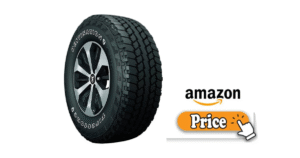 👉🏿👉🏻 Check The Latest Price and Offer at Amazon 👈🏻👈🏿
What Could Be Better
Treadwear Isn’t Always Consistent
While many Firestone owners report getting advertised miles (or more) out of their tires, I noticed, especially after about 25,000–30,000 miles, some uneven tread wear on my tires.
The inner edges started wearing slightly faster than the outer edges, which eventually affected the ride’s smoothness. If you don’t rotate regularly or if your alignment is just a bit off (like mine was), you might see sub-optimal tread life.
Road Noise on Worn Tread
As the miles added up and the tread depth diminished, road noise got more noticeable. On long drives or highway speeds, the tires began to hum more.
If you are the kind of driver who values a whisper-quiet cabin, this might become annoying over time, especially compared to premium touring tires from more expensive brands.
Mixed Performance in Extreme Conditions
For mild rain or damp roads, performance was okay. But I live in a region with heavy winters every few years (snow, ice, slush), and that’s where I felt the all-season Firestones started to show their limitations.
Grip dropped noticeably on icy patches or heavy snow. I wouldn’t trust them in serious winter conditions without switching to dedicated snow/winter tires.
Not Always Ideal for Aggressive Driving
If you’re a “push-the-car” kind of driver, hard accelerations, tight cornering at speed, or aggressive braking, the Firestones don’t give you race-car confidence.
They serve well for everyday driving, but they won’t satisfy enthusiasts looking for high-performance grip or track-ready behavior.
Historical Baggage (Worth Knowing)
It’s no secret that Firestone has had its share of controversies. A few models (not the ones I bought) were part of recall campaigns in the past due to safety issues like tread separation, especially when used on SUVs/trucks under heavy load or high speed.
While these don’t necessarily reflect the current lineup, they are part of the brand’s legacy and worth noting, especially if you’re buying used tires or older-stamped ones.
My Personal Experience
So here’s how it went down for me, from purchase to roughly 40,000 miles in.
I bought a full set for my sedan during a seasonal sale. The retailer offered a bundled deal: mounting, balancing, alignment check, and a modest road-hazard warranty.
I paid significantly less than I would for comparable tires from a premium brand, ds much so that even if the tires under-performed a bit, I felt like I got my money’s worth.
For the first 10,000 miles, everything felt great: smooth ride, good handling, predictable behavior even when switching between city traffic, highway cruising, and weekend errands. I was pleasantly surprised at how the ride quality improved over what I had before.
Between 15,000–25,000 miles, I noticed tread wear starting to show, especially on the inner edges (I later discovered my wheel alignment was ever-so-slightly off). I rotated tires at 20,000, which helped, but I could tell the wear pattern was uneven, not dramatic, but enough to notice.
By 30,000–35,000 miles, highway drives were noticeably noisier. Minor vibration crept i,n not alarming, but enough that I mentally marked this as the “end of premium-like ride” zone. Still, the tires remained safe and functional.
Around 38,000–40,000 miles, I started shopping for replacements, not because they failed, but because the tread depth was getting low and I wanted to maintain optimum safety and comfort.
Overall? I got roughly 40,000 miles of dependable service, a safety margin I was comfortable with, and I spent a fraction of what I would have for top-tier tires. For my driving habits, mostly commuting, errands, and some highway, they did exactly what I needed.
Design
What I appreciate about Firestone’s design approach is how they aim for versatility and balance rather than specialization.
Their all-season and touring tires tend to sacrifice peak performance for reliability, consistency, and comfort, which aligns with the needs of most everyday drivers.
- Tread Pattern & Compound: The tread designs are optimized for predictable behavior, good dry and wet traction, stable handling, and acceptable wear life. The rubber compounds strike a middle ground: soft enough to provide comfort, firm enough to resist rapid wear. That’s why for everyday commuting and city/highway driving, you get a ride that’s stable, controlled, and reasonably smooth.
- Noise and Comfort Trade-offs: Firestone doesn’t aim for an ultra-quiet cabin like some premium touring tires, so there is some road noise. But compared to budget “all-rubber” tires or used older tires, the design is markedly quieter and smoother.
- Durability vs Price Balance: The tires are built to last, not forever or under extreme conditions, but enough for typical drivers who want a safe, capable, and affordable set.
In short, Firestone’s design philosophy seems to prioritize practicality, consistency, and affordability rather than sportiness or luxury, which, for many drivers, is the right call.
Performance
Here’s how the performance stacked up for me, broken down by condition:
Dry & Normal Conditions
- Steering response was predictable and stable, with no unsettling steering wander.
- Cornering felt secure during everyday maneuvers (lane changes, highway merges, typical suburban driving).
- Acceleration and braking were smooth and controlled no sudden “twitchiness” or over-sensitivity.
Wet Conditions (Rain, Damp Roads)
- Tire tread pattern and rubber compound provided good grip. I felt safe braking and cornering even during moderate rain.
- I didn’t experience hydroplaning or major loss of control, though I never pushed them like a performance tire; I drove conservatively.
- Wet traction was better than I expected for a mid-range tire.
Long-Distance / Highway Driving
- On highways, the tires were stable and didn’t feel “floaty.” Wind buffeting and cross-wind sensitivity were manageable.
- Over longer trips, the ride was comfortable, and I didn’t notice undue vibration until after significant wear.
- Fuel efficiency was acceptable; I didn’t track exact MPG improvement, but I didn’t feel there was a big penalty for choosing Firestone over more aggressive sport tires.
After Several Tens of Thousands of Miles
- Towards 30,000–35,000 miles: increased road noise, some vibration, tread depth visibly low, especially on inner edges (due to my slightly off alignment).
- By 38,000–40,000 miles: I began to feel the diminishing returns in grip, comfort, and smoothness, nothing catastrophic, but I knew I was nearing the end of their most effective lifespan.
Overall performance was solid, especially considering the price point and driving conditions I use them in. For daily commuting, errands, city drivand ing, occasional highway use, they delivered. But I wouldn’t call them “premium-performance” tires.
Build Quality
When I bought the tires, I was initially skeptical: “Are we really getting good quality at this price?” However, after nearly 40,000 miles, I must admit that the build quality held up decently, albeit with caveats.
- Tire construction: The sidewalls stayed intact without cracks, bulges, or visible structural damage. The overall construction felt robust; nothing felt cheap or fragile.
- Tread rubber quality: The rubber compound performed as designed: provided good grip and wear resistance for the first two-thirds of tire life.
- Consistency: There were no manufacturing defects (no bulging, no uneven mold marks, no structural deformities). The ride felt consistently safe and stable for most of its lifespan.
- Weaknesses: As mentioned, tread wear became less even over time. If I had kept up stricter maintenance (rotations, alignment checks), perhaps this would be less noticeable. Also, once the tread wore down significantly, the ride noise and vibration amplified a sign that these tires trade off long-term high-performance traits for affordability and practicality.
All in all, Firestone tires are built decently for everyday use. They don’t feel “premium,” but for the price, the build quality is respectable and reliable.
Alternative Option
If, after reading all of this, you’re unsure about Firestone or you want something a bit more premium, here are a few alternative tire-type directions you might consider (depending on your driving habits):
- Premium All-Season/ Touring Tires — If you commute long distances, do a lot of highway driving, or spend time in more challenging road conditions, higher-end all-season or touring tires from other brands may offer better ride comfort, quieter cabins, and more consistent tread life.
- Dedicated Performance Tires — If you care about aggressive driving, sharp cornering, or sporty handling, look for performance-oriented tires those designed with grip and responsiveness in mind rather than simple commuting comfort.
- Dedicated Winter / Snow Tires — If you live somewhere with heavy snow, ice, or harsh winters, a dedicated winter tire will outperform an all-season tire (like Firestone) in snow and ice by a wide margin.
- Midrange–Premium Compromise — Some tires offer a middle ground: somewhat more expensive than Firestone, but not as pricey as ultra-premium brands. You may pay a bit more upfront, but enjoy longer tread life, lower cabin noise, and more consistent performance.
For someone like me, mostly city + highway, occasional long trips, Firestone was a solid “sweet-spot” choice. But if your driving demands differ (e.g., heavy snow, long highway commutes, sport driving), one of the alternatives might be worth it.
Final Thought
IfSupposeou’re looking for a budget-conscious, “good-enough” set of tires for everyday driving, commuting, errands, occasional long trips, and you don’t require premium performance or luxury-quiet ride. In that case, Irestonee tires are a solid, respectable option.
In my personal experience, I got roughly 40,000 miles of dependable use before tread wear and noise started nudging me toward replacement. The ride was comfortable and predictable, and the purchase price was low enough that even with moderate wear, I felt good about the whole ordeal.
On the flip side, if you value consistent long-term performance, quietness, or handling in extreme conditions, Firestone may not be the best, but it doesn’t pretend to be. It delivers what it promises: balance, reliability, and value.
So, yes, my honest verdict: Firestone is worth considering for everyday drivers who want solid tires without overspending. Just treat them as practical, mid-tier tires, not as premium all-weather or performance champions.
Read More: AMP Tires Made In What Country | My Honest Experience
FAQs: Firestone Tires Sales | My Honest Experience
Are Firestone tires of good quality?
Yes, Firestone tires are generally considered good-quality mid-range tires. They’re not the most premium option on the market, but they offer reliable performance, a comfortable ride, and solid tread life for everyday driving. If you want dependable tires without paying premium prices, Firestone is worth considering.
How long do Firestone tires usually last?
With normal commuting and proper tire maintenance (rotations, alignment checks, and correct tire pressure), most Firestone all-season tires last 35,000–50,000 miles. Aggressive driving or poor maintenance can shorten that lifespan.
Are Firestone tires safe to use in winter?
Firestone all-season tires are fine for mild winter conditions, light snow, or cold rain, but not ideal for heavy snow or icy roads. If you live in a true winter climate, dedicated winter tires (like Firestone Winterforce) are a safer choice.
Do Firestone tires come with a warranty?
Yes. Most Firestone tires include a limited mileage warranty that varies by mo, usually between 40,000 and 70,000 miles, along with standard workmanship/defect coverage. Your installer may also offer additional road-hazard protection.
Are Firestone tires noisy?
Brand new no. Ovetimeim,e, yes, a bit. As Firestone tires wear down, many drivers notice increased road noise at highway speeds. It’s not excessive, but it is more noticeable compared to premium quiet-ride touring tires.
Are Firestone tires good for highway driving?
Definitely. Firestone tires handle highway speeds well and provide a smooth, predictable ride. They’re great for commuting or weekend road trips, especially while tread life is still high.
Where are Firestone tires sold?
Firestone tires are widely available in the U.S., including:
- Firestone Complete Auto Care stores
- Major tire retailers and auto shops
- Online outlets (with installation partnerships)
- Dealership service centers
They’re easy to find and often part of seasonal sales.
Are Firestone tires a good choice for the price?
Yes, Firestone sits in a value sweet spot. You get dependable performance and respectable tread life without overspending. For everyday drivers who want safe, reliable tires but don’t need high-performance handling, they are a smart buy.
Which Firestone tire is best for commuters?
If you drive mostly city + highway, these two models are popular picks:
- Firestone WeatherGrip — better wet + light winter traction
- Firestone Firehawk AS — sportier feel for sedans and coupes
Both strike a nice balance of comfort, traction, and mileage.
Do Firestone tires have any downsides?
Like most mid-range options, they have some trade-offs:
- Noise increases as they wear down
- Treadwear can be somewhat uneven if maintenance isn’t spot-on.
- Not ideal for aggressive driving or extreme weather
But for the price, the performance is solid.