If you’ve ever stood in a tire shop staring at a wall of rubber circles while wondering whether you’re about to make a smart investment or a very expensive mistake, you’re not alone. Tires aren’t flashy.
They don’t have screens, apps, or bragging rights like a new truck lift or performance exhaust. But they matter more than almost anything else on your vehicle. That’s exactly how I felt when I first started looking into Destination Firestone tires.
I wasn’t shopping because I wanted to. I was shopping because I had to. My old tires were worn down to the point where wet roads felt sketchy, road noise was getting worse, and winter driving was becoming something I actively dreaded.
I needed something reliable, affordable, and capable of handling real-world driving,g not just ideal conditions. Firestone is a brand most Americans recognize instantly.
It’s been around forever, and chances are your parents or grandparents had Firestone tires at some point. But recognition alone doesn’t equal quality, and that’s where this review comes in. This is not a sponsored post, not a lab test, and not a marketing rewrite.
This is a real, U.S.-based, everyday driver review of Destination Firestone tires, including what I liked, what I didn’t, how they actually performed, and whether I’d buy them again.
If you’re considering Destination Firestone tires and want an honest experience instead of corporate fluff, you’re in the right place.

What I Like
Let’s start with the positives, because honestly, there are quite a few, and they’re the reason Destination Firestone tires remain popular across SUVs, trucks, and crossovers.
1. Strong Value for the Price
One of the biggest reasons I landed on Destination Firestone tires was the price-to-performance ratio. They’re not bargain-bin cheap, but they’re also nowhere near premium tire pricing.
For someone like me who drives daily, racks up highway miles, deals with unpredictable weather, and doesn’t want to replace tires every couple of years, that balance matters.
What stood out was that I didn’t feel like I was “settling.” I felt like I was getting solid, dependable tires at a fair price, which is rare in the tire market.
2. Predictable, Confidence-Inspiring Handling
Right away, these tires felt… normal. And I mean that in the best way possible.
No weird pulling.
No wandering at highway speeds.
No over-sensitive steering response.
Destination Firestone tires deliver predictable handling, which makes daily driving easier and less stressful. Whether I was commuting, running errands, or cruising on long road trips, the tires behaved consistently.
That sense of predictability builds trust, and trust matters when your tires are the only thing connecting you to the road.
3. Quiet Ride (Especially for the Category)
I didn’t expect much here, but I was pleasantly surprised.
For all-season and light all-terrain applications, Destination Firestone tires are noticeably quiet. Road noise is present because of physics, but it’s controlled and never intrusive.
On smooth highways, cabin noise stayed low. On rougher pavement, the tires absorbed more sound than I expected. That made long drives less tiring, which is something people often overlook when buying tires.
4. Good Wet Weather Performance
Wet roads are where bad tires show their true colors. In the rain, both drizzle and full-on downpours, Destination Firestone tires handled themselves well.
Hydroplaning resistance felt solid, braking distances felt reasonable, and cornering didn’t trigger panic moments. They’re not miracle tires, but they’re reliable in real rain, which is exactly what most drivers need.
5. Widely Available Across the U.S.
This might not sound exciting, but it’s a big deal. Firestone has an enormous footprint across the United States. If you ever need a replacement, rotation, warranty service, or emergency repair, finding a shop that carries Destination Firestone tires is easy.
That convenience adds real-world value that spec sheets don’t capture.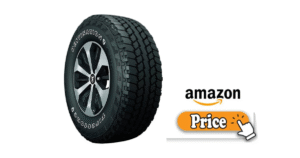 👉🏿👉🏻 Check The Latest Price and Offer at Amazon 👈🏻👈🏿
What Could Be Better
No tire is perfect, and Destination Firestone tires are no exception. While I’ve been mostly happy with them, there are areas where they could improve.
1. Snow and Ice Performance Is “Okay,” Not Exceptional
If you live somewhere with serious winters, this is important. In light snow, these tires do fine. Traction is manageable, and braking feels controlled as long as you drive sensibly.
But in heavy snow or icy conditions, they start to show their limits. They’re all-season tires, not winter specialists. You’ll still need to slow down, plan stops carefully, and avoid overconfidence.
If winter performance is your top priority, dedicated snow tires or more aggressive all-weather options might be a better fit.
2. Not Designed for Aggressive Off-Road Use
Some Destination Firestone models are marketed as light all-terrain, and they can handle:
- Gravel roads
- Dirt trails
- Muddy campsites
But if you’re doing real off-roadin,g rock crawling, deep mud, steep trai,l s these aren’t built for that.
They’re more about versatility than extremity, which is fine, as long as expectations are realistic.
3. Tread Life Depends Heavily on Maintenance
Firestone advertises respectable tread life, and that’s achievable,ble but only if you stay on top of:
- Proper inflation
- Regular rotations
- Alignment
Neglect maintenance, and you’ll see uneven wear faster than expected. This isn’t unique to Firestone, but it’s worth noting.
My Personal Experience
I’ve been running Destination Firestone tires on my daily driver for a substantial amount of time now, across thousands of miles and multiple seasons. Here’s what real ownership has been like.
Daily Driving
For everyday use, commuting, errands, school drop-offs, and highway driving, these tires have been easy to live with.
They don’t demand attention.
They don’t introduce quirks.
They just… work.
That might sound boring, but boring is exactly what you want from tires.
Long Road Trips
On longer drives, I appreciated how stable and comfortable they felt at highway speeds. Even after hours behind the wheel, fatigue from road vibration and noise was minimal.
Fuel efficiency didn’t noticeably change compared to my previous tires, which is a win.
Weather Changes
Living in the U.S. means dealing with unpredictable weather, and Destination Firestone tires handled the transitions well:
- Rainstorms
- Sudden temperature drops
- Dry summer heat
They didn’t feel temperature-sensitive, which added peace of mind.
Design
Tire design isn’t just about looks; it affects performance, wear, and noise.
Tread Pattern
The tread design on Destination Firestone tires is conservative but functional. It prioritizes:
- Even wear
- Water evacuation
- Stable contact with the road
There’s nothing flashy here, but everything serves a purpose.
Sidewall Appearance
Visually, the sidewalls are clean and understated. They won’t turn heads, but they won’t clash with your vehicle’s appearance either.
For trucks and SUVs, they look appropriately rugged without being aggressive.
Practical Aesthetics
Overall, the design feels purpose-built rather than decorative. Firestone clearly focused on usability instead of trends, and that shows.
Performance
Performance is where Destination Firestone tires really settle into their identity: dependable, balanced, and confidence-focused.
Dry Road Performance
On dry pavement, grip is solid. Acceleration feels controlled, braking feels predictable, and cornering doesn’t introduce surprises.
They’re not performance tires, but they’re competent and reassuring, which is what most drivers want.
Wet Road Performance
As mentioned earlier, wet traction is a strong point. The tread clears water efficiently, and the tires maintain grip during:
- Braking
- Lane changes
- Gentle cornering
This is especially valuable during sudden rainstorms, which are common across much of the U.S.
Build Quality
Build quality is one of those things you don’t fully appreciate until something goes wrong. A tire might look good on day one, but how it holds up after thousands of miles is what really matters.
Sidewall Strength and Durability
One of the first things I noticed about Destination Firestone tires was how solid the sidewalls felt. They’re not overly stiff, but they’re sturdy enough to inspire confidence when:
- Hitting potholes
- Driving over rough pavement
- Navigating gravel roads
I’ve had tires in the past where sidewalls felt thin and vulnerable. With these, I never had that “uh-oh” moment when hitting unexpected road imperfections.
Resistance to Everyday Damage
Over time, my tires have seen:
- Construction zones
- Sharp gravel
- Broken pavement
- Speed bumps taken a little too fast
So far, no bubbles, no cracks, no weird bulges. That tells me Firestone put real effort into durability, not just performance numbers on paper.
Long-Term Wear Consistency
After thousands of miles, tread wear has been even and predictable, as long as rotations are done on schedule. No feathering. No cupping. No mystery bald spots.
That consistency matters, because uneven wear isn’t just annoying,g it’s expensive.
Manufacturing Confidence
Firestone isn’t a newcomer trying to prove itself. There’s a sense that these tires were engineered with:
- Conservative safety margins
- Proven materials
- Established manufacturing standards
You don’t feel like you’re beta-testing a product.
Alternative Option
While I’ve had a positive experience with Destination Firestone tires, they won’t be the perfect fit for everyone. Depending on your driving habits, budget, and climate, here are a few solid alternatives worth considering.
1. Michelin Defender Series
Best for: Longevity and comfort
Trade-off: Higher price
Michelin Defenders are known for exceptional tread life and smooth ride quality. If you prioritize long-term durability over upfront cost, Michelin is tough to beat.
That said, you’ll pay more, sometimes significantly more,e than you would for Destination Firestone tires.
2. Goodyear Assurance All-Season
Best for: Wet weather and everyday reliability
Trade-off: Slightly higher noise
Goodyear’s Assurance line competes directly with Destination Firestone tires. They offer solid rain traction and dependable performance, though road noise can be a bit more noticeable depending on the model.
3. Continental TrueContact Tour
Best for: Balanced performance and fuel efficiency
Trade-off: Availability can vary
Continental does a great job blending comfort, traction, and efficiency. These are a strong option if you want a refined ride and slightly better fuel economy.
Why I Still Chose Destination Firestone
In the end, Destination Firestone tires won because they offered:
- Strong performance across conditions
- Reasonable pricing
- Easy availability nationwide
- A brand I trust
They hit the sweet spot for real-world driving.
Read More: Kumho Tires | My Honest Experience
FAQs: Destination Firestone Tires | My Honest Experience
Are Destination Firestone tireof s good quality?
Yes. Based on real-world use, Destination Firestone tires offer solid build quality, dependable performance, and consistent wear, especially for daily driving and highway use.
How long do Destination Firestone tires last?
With proper maintenance, regular rotations, correct inflation, and alignment, you can expect 50,000 to 70,000 miles, depending on the specific model and driving habits.
Are Destination Firestone tires good in snow?
They perform adequately in light snow, but they are not a replacement for dedicated winter tires in harsh conditions. For heavy snow and ice, winter-specific tires are recommended.
Are Destination Firestone tires quiet?
Yes, especially compared to other tires in the same price and category. Road noise is controlled and remains comfortable for daily driving and long trips.
Are Destination Firestone tires good for trucks and SUVs?
Absolutely. Many Destination Firestone models are designed specifically for SUVs, crossovers, and light trucks, offering stability, durability, and load-handling confidence.
Are Firestone tires made in the USA?
Firestone manufactures tires in multiple countries, including the United States. Production location varies by model and size.
Do Destination Firestone tires affect fuel economy?
In my experience, fuel economy remained consistent compared to my previous tires. They don’t add noticeable rolling resistance.
Final Thoughts
After living with Destination Firestone tires through real-world driving, not lab tests, not marketing claims,s I can confidently say they deliver what most drivers actually need.
They’re not flashy.
They’re not extreme.
They don’t promise miracles.
What they do offer is honest performance, dependable safety, and good value, which is exactly what most U.S. drivers are looking for.
Who Should Buy Destination Firestone Tires?
You’ll likely be happy with these tires if:
- You want reliable all-season performance
- You drive mostly on roads and highways
- You value comfort and predictability
- You don’t want to overpay for a brand name
Who Might Want to Look Elsewhere?
You might want alternatives if:
- You live in extreme winter conditions
- You do serious off-roading
- You want ultra-high-performance handling
Would I Buy Them Again?
Yes, without hesitation.
For everyday driving in the U.S., Destination Firestone tires strike a balance that’s hard to beat. They don’t try to be everything, but they do what they’re designed to do very well.