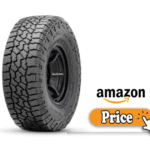
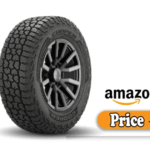
In the ever-growing tire market, where giants like Michelin, Bridgestone, and Goodyear often dominate the conversation, Kenda Tires has quietly emerged as a serious contender, especially for drivers looking for dependable performance at a wallet-friendly price.
Founded in 1962 in Taiwan, Kenda Rubber Industrial Company has built a global reputation for producing high-quality tires for everything from bicycles and motorcycles to passenger cars, SUVs, and light trucks. The brand focuses on delivering value-driven products without sacrificing safety, design, or performance.
If you’re considering making the switch or just curious about what Kenda has to offer, this Kenda Tires Review covers everything you need to know: what they do well, what they could improve, how they perform in real-world conditions, and how they compare to the competition.

What I Like About Kenda Tires
1. Excellent Price-to-Performance Ratio
One of the biggest selling points of Kenda tires is their exceptional affordability. While major brands can easily set you back over $1,000 for a set of four tires, Kenda offers durable, well-made tires at nearly half the price. This makes them a go-to choice for budget-conscious drivers who still care about quality and safety.
2. Surprising All-Season Capability
Kenda’s Kenetica KR217 and Klever A/T2 KR628 offer reliable year-round traction, including decent handling in light snow.
The addition of siped tread blocks, optimized rubber compounds, and all-season patterns means Kenda is competing with bigger brands in environments once thought exclusive to premium tires.
3. Wide Range of Tire Types
Whether you’re looking for touring tires, all-terrain tires for your truck, or high-performance rubber for your coupe, Kenda has something to match. Popular models include:
- Kenetica KR217 – All-season touring
- Klever A/T2 KR628 – All-terrain for SUVs and trucks
- Klever R/T KR601 – Rugged terrain with hybrid mud/all-terrain capabilities
- Vezda UHP A/S – Ultra-high-performance all-season for sedans and sports cars
4. Improved Road Noise and Ride Comfort
Kenda has made strides in recent years to reduce road noise and improve comfort. Their Vezda and Kenetica lines feature tread designs that minimize harmonic resonance, delivering a quieter ride than you’d expect at this price point.
5. Eco-Friendly and Lightweight Options
Some Kenda models are designed with low rolling resistance in mind, contributing to better fuel efficiency. The Komet Plus KR23 and similar eco models reduce carbon footprints while maintaining decent grip and treadwear.
What Could Be Better
1. Limited Brand Recognition
Despite offering solid performance, Kenda is still seen as a “budget” brand in many circles. This lack of prestige can be a drawback for those who care about brand perception or want premium-tier performance.
2. Tread Life Can Be Inconsistent
While some users get excellent mileage from Kenda tires, others report faster tread wear, especially on high-horsepower vehicles or when used in harsh conditions. This inconsistency is more noticeable in budget models, where compound quality may vary slightly.
3. Winter Performance Not Ideal for All Models
Although some Kenda all-season tires manage well in light snow, true winter traction is lacking in most models. For areas with harsh winters, drivers are better off using dedicated snow tires.
4. Not Always Available in Larger or Niche Sizes
Kenda offers a respectable range of tire sizes, but it may not match the breadth of more mainstream brands.
If you’re looking for ultra-wide tires or very specific performance specs, you might find the selection somewhat limited.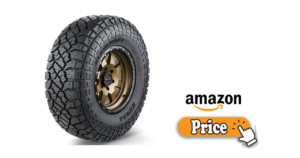 👉🏿👉🏻 Check the Latest Price and Offer at Amazon 👈🏻👈🏿
My Personal Experience with Kenda Tires
I’ve had the opportunity to test the Kenda Klever A/T2 KR628 on a 2016 Ford Ranger for about 18 months. I chose them after doing extensive research and seeing their off-road reviews.
Here’s a breakdown of what I experienced:
- On-Road Performance: Surprisingly smooth and quiet for an all-terrain tire. Handling in dry conditions was stable, and wet traction was adequate even at highway speeds.
- Off-Road: These tires handled dirt roads, gravel trails, and mild mud with ease. The aggressive tread and sidewall lugs provided confidence when climbing or descending steep grades.
- Treadwear: After 20,000 miles, the tires still had more than 60% tread remaining. I rotated them every 6,000 miles and maintained proper air pressure, which seemed to help.
- Snow: Performance in light snow was acceptable. In deeper snow, traction dropped off, and I relied more on 4WD than the tire itself.
Would I buy them again? Yes, for mild to moderate off-road use and general daily driving, they’re a strong value.
Design: Practical Meets Purposeful
Kenda tires may not feature flashy aesthetics like some aggressive off-road brands, but they are thoughtfully designed with practicality in mind. Most of their tread designs are engineered for durability, safety, and efficiency.
Design Features Include:
- Multi-directional siping for better wet and winter traction
- Shoulder lugs for off-road grip (on Klever models)
- Chamfered edges to improve tread block stability
- Optimized void ratio for balanced hydroplaning resistance
While you won’t always get show-stopping tread designs, what you do get is engineering that emphasizes value-driven function.
Performance: Better Than Budget Might Suggest
Dry Performance
Most Kenda tires offer surprisingly responsive handling in dry conditions. Steering response is generally predictable, with good braking performance, especially in their touring and UHP lines.
Wet Performance
Thanks to silica-enriched compounds and well-siped patterns, Kenda tires perform decently in the rain. Hydroplaning resistance is particularly notable in the Kenetica KR217 and Vezda UHP A/S, which maintain stability during storms.
Snow & Ice
Here’s where things vary. Some Kenda all-season tires can manage light snow, but they are not a substitute for dedicated winter tires. If you live in a snowbelt region, you’ll need to look beyond Kenda or opt for a winter-specific model if offered.
Off-Road (Klever Series)
The Klever A/T2 and R/T models are where Kenda shines. These tires feature rugged tread blocks, durable carcasses, and reinforced sidewalls. They aren’t just pretending to be off-roaders; they deliver.
Build Quality: Solid for the Price
You might not expect excellent construction at Kenda’s price point, but the company invests heavily in R&D and testing. Many of their tires are manufactured in ISO-certified facilities and go through extensive quality checks.
Key Build Features:
- Steel-belted radial construction for longevity
- Reinforced sidewalls on truck and SUV models
- Silica-enhanced rubber compounds for better wet grip and efficiency
- Noise-reduction technology on touring and highway tires
For everyday use, Kenda’s build quality stands out especially when you compare it with other budget-focused competitors.
Alternative Options:
| Brand | Notable Model | Pros | Cons |
| Falken | Wildpeak A/T3W | Strong winter performance, great value | Pricier than Kenda |
| General Tire | Grabber A/TX | Excellent off-road performance, long tread life | Noisy on-road |
| Hankook | Dynapro AT2 | Balanced, quiet, and affordable | Slightly higher price |
| Cooper | Discoverer AT3 4S | American-made, reliable all-terrain | More expensive |
| Kumho | Crugen HP71 | Comfortable and affordable | Limited off-road capability |
Kenda Tires punch above their weight class. They may not outperform the premium players in all categories, but for the price, they’re a compelling option for most average drivers.
Final Thought:
If you’re looking for tires that combine solid performance, practical design, and exceptional affordability, Kenda Tires are worth considering.
While they won’t win many awards for winter performance or premium feel, Kenda delivers where it counts:
- Safety
- Stability
- Savings
Whether you’re a daily commuter, weekend adventurer, or just trying to keep your vehicle rolling without draining your wallet, Kenda offers something for everyone.
For shoppers who value real-world usability over brand prestige, Kenda is a smart, capable, and trustworthy choice.
Read More: Who Owns Goodyear Tires
FAQs: Kenda Tires Review | My Honest Review
Q: Are Kenda tires of good quality?
A: Yes. Kenda offers solid build quality, especially in their all-terrain and touring lines. While they may not rival premium brands in performance, they are reliable and well-constructed for the price.
Q: Are Kenda tires made in the USA?
A: Kenda manufactures tires in several countries, including Taiwan, Vietnam, China, and Indonesia. Some tires are designed or tested in the U.S., but most are produced overseas.
Q: How long do Kenda tires last?
A: Tread life varies by model and usage. Most Kenda tires offer 40,000 to 60,000 miles with proper care and maintenance.
Q: Are Kenda tires noisy?
A: Kenda has improved road noise across many of its models. Touring tires like the Kenetica KR217 and Vezda UHP A/S are fairly quiet. Off-road models may produce more hum, as expected.
Q: Do Kenda tires perform well in snow?
A: Some all-season models handle light snow decently, but for icy or deep-snow conditions, a dedicated winter tire is recommended.
Q: Are Kenda tires safe?
A: Yes. Kenda tires meet all DOT and industry safety standards. They undergo rigorous testing and have built a reputation for safety in everyday driving conditions.
Q: What vehicles are Kenda tires good for?
A: Kenda offers tires for sedans, SUVs, crossovers, trucks, and even trailers. Their lineup suits everything from compact cars to off-road vehicles.