Most drivers pay attention to fuel levels, tire pressure, and engine temperature, but oil pressure often gets ignored until a warning light suddenly appears on the dashboard.
I learned this lesson the hard way. A few years ago, I noticed my oil pressure warning light flickering occasionally while idling at traffic lights.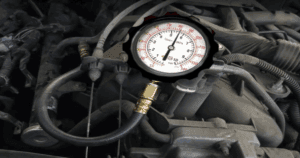 Since the engine seemed to run normally, I ignored it for several days. Eventually, the light stayed on continuously, and it turned out that my engine was suffering from low oil pressure due to a failing oil pump.
Fortunately, I caught the issue before serious damage occurred. Checking oil pressure isn’t complicated, and understanding how it works can potentially save you thousands of dollars in engine repairs.
Whether you own a new vehicle or an older high-mileage car, monitoring oil pressure is one of the smartest maintenance habits you can develop.
What Is Oil Pressure?
Oil pressure refers to the force that pushes engine oil through the lubrication system. Your engine contains hundreds of moving parts that operate at extremely high speeds and temperatures.
Oil creates a protective film between these components, reducing friction and preventing excessive wear. Without proper oil pressure:
- Engine parts receive insufficient lubrication
- Metal components begin rubbing together
- Engine temperatures increase
- Severe engine damage can occur within minutes
In simple terms, oil pressure is the lifeblood of your engine.
Common Oil Pressure Ranges
| Engine Condition | Normal Oil Pressure |
| Cold Start | 40–70 PSI |
| Warm Idle | 20–30 PSI |
| Highway Driving | 40–60 PSI |
| Performance Engines | 60–80 PSI |
PSI = Pounds per Square Inch.
Keep in mind that acceptable oil pressure varies depending on the vehicle manufacturer.
Signs Your Car May Have Oil Pressure Problems
Before learning how to check oil pressure, it helps to recognize the warning signs.
1. Oil Pressure Warning Light
This is usually the first sign. Never assume the warning light is simply a faulty sensor. Sometimes it is, but low oil pressure can quickly destroy an engine.
2. Engine Ticking or Knocking
Insufficient lubrication may cause:
- Ticking noises
- Valve train sounds
- Knocking noises
- Increased engine vibration
3. Burning Oil Smell
Poor oil circulation can increase temperatures and produce unusual smells.
4. Overheating Engine
Oil helps remove heat from internal components. Low pressure can contribute to overheating.
5. Reduced Engine Performance
Poor lubrication increases internal resistance, sometimes causing sluggish acceleration.
Methods to Check Car Oil Pressure
There are several ways to monitor oil pressure.
Method 1: Using the Dashboard Oil Pressure Gauge
Many vehicles include an oil pressure gauge.
Personal Experience
I appreciate vehicles that provide a real pressure gauge rather than only a warning light because it allows drivers to notice problems before they become serious.
How To Check:
- Start the engine.
- Allow it to warm up.
- Observe the oil pressure reading.
- Compare readings during:
- Idle
- Moderate acceleration
- Highway speeds
If pressure suddenly drops or fluctuates excessively, further inspection is needed.
Method 2: Using an OBD-II Scanner
Modern vehicles often provide oil pressure data through onboard diagnostics.
Steps:
- Connect scanner to the OBD-II port.
- Turn the ignition on.
- Access live data.
- Locate oil pressure readings if supported.
Advantages
- Easy to use
- Helpful for troubleshooting sensors
- Can identify stored trouble codes
Method 3: Using a Mechanical Oil Pressure Gauge
This is generally considered the most accurate method.
Comparison Table: Oil Pressure Checking Methods
| Method | Accuracy | Cost | Ease of Use | Best For |
| Dashboard Gauge | Moderate | Free | Very Easy | Quick monitoring |
| OBD-II Scanner | Good | Moderate | Easy | Diagnostics |
| Mechanical Gauge | Excellent | Low-Moderate | Moderate | Accurate testing |
How to Check Oil Pressure Using a Mechanical Gauge
This method provides the most reliable reading.
Step 1: Park Safely
- Park on level ground.
- Engage the parking brake.
- Allow the engine to cool slightly.
Step 2: Locate the Oil Pressure Sensor
Consult:
- Owner’s manual
- Service manual
- Manufacturer information
Step 3: Remove the Sensor
Carefully disconnect the electrical connector and remove the sensor.
Step 4: Install Mechanical Gauge
Thread the gauge fitting into the sensor port.
Step 5: Start the Engine
Observe readings:
- Cold idle
- Warm idle
- Moderate RPM
Compare readings with factory specifications.
What Causes Low Oil Pressure?
Several issues can reduce oil pressure.
1. Low Oil Level
This is the simplest and most common cause. Always check engine oil first.
2. Wrong Oil Viscosity
Using oil that is too thin can reduce pressure. For example:
- 0W-20 may be too thin for some older engines.
- Higher-mileage engines sometimes benefit from slightly thicker oil.
Always follow manufacturer recommendations.
3. Worn Engine Bearings
As engines age, internal clearances increase, reducing pressure.
4. Failing Oil Pump
A weak oil pump may struggle to circulate sufficient oil.
5. Clogged Oil Filter
Restricted flow can affect lubrication performance.
6. Faulty Oil Pressure Sensor
Sometimes the problem isn’t actual pressure; it is simply incorrect sensor readings.
Comparison Table: Common Low Oil Pressure Causes
| Cause | Severity | Repair Cost | Difficulty |
| Low Oil Level | Low | Very Low | Easy |
| Bad Sensor | Low | Low | Easy |
| Wrong Oil | Low | Low | Easy |
| Clogged Filter | Moderate | Low | Easy |
| Failing Oil Pump | High | High | Difficult |
| Engine Wear | Very High | Very High | Severe |
How Often Should You Check Oil Pressure?
Personally, I recommend:
Older Vehicles
Check monthly.
High-Mileage Cars
Inspect every few weeks.
Performance Cars
Monitor frequently.
Vehicles with Previous Issues
Watch readings carefully.
A quick glance at the gauge can prevent expensive engine repairs.
Buyer’s Guide: Best Tools for Checking Oil Pressure
If you want to monitor engine health more seriously, investing in proper diagnostic tools is worthwhile.
1. Mechanical Oil Pressure Test Kit
Pros
- Extremely accurate
- Professional-grade testing
- Affordable
Ideal For:
DIY mechanics and enthusiasts.
2. OBD-II Scanner
Pros
- Reads engine codes
- Provides live data
- Useful for multiple repairs
Ideal For:
Average vehicle owners.
3. Digital Oil Pressure Gauge
Pros
- Continuous monitoring
- Easy-to-read display
- Useful in modified vehicles
Ideal For:
Performance enthusiasts.
What I Personally Recommend
For most drivers:
An OBD-II scanner and regular oil level inspections are usually sufficient.
For older vehicles:
A mechanical gauge kit can provide valuable peace of mind.
Tips to Maintain Healthy Oil Pressure
Change Oil Regularly
Fresh oil maintains proper viscosity.
Replace Oil Filter
A quality filter supports proper oil flow.
Use Manufacturer-Recommended Oil
Avoid experimenting with oil grades unless advised by professionals.
Warm the Engine Properly
Aggressive driving immediately after startup can stress the lubrication system.
Investigate Warning Lights Immediately
Never ignore an oil pressure warning light.
This is one dashboard warning that deserves immediate attention.
My Personal Thoughts on Oil Pressure Monitoring
After experiencing a low oil pressure issue myself, I pay far more attention to oil health than I once did. Oil pressure problems usually begin gradually:
- Slight warning light flickers
- Minor ticking sounds
- Small pressure drops
These subtle signs can easily be ignored. Yet catching problems early often means the difference between a simple repair and complete engine replacement.
Monitoring oil pressure may not be the most exciting aspect of car ownership, but it is certainly one of the most important.
Read More: What Does A Map Sensor Do On A Car
FAQs: How To Check Car Oil Pressure
What should my oil pressure be at idle?
Most vehicles operate between 20 and 30 PSI when fully warmed up and idling.
Is low oil pressure always serious?
Yes. Even if caused by a faulty sensor, it should be investigated immediately.
Can low oil cause low pressure?
Absolutely. Low oil level is one of the most common causes.
Can I drive with the oil pressure light on?
It is generally not recommended. Continuing to drive may cause severe engine damage.
Does thicker oil increase pressure?
Sometimes it can slightly increase pressure in worn engines, but using incorrect oil viscosity may create other problems.
Can a bad oil filter lower pressure?
Yes. A clogged or defective filter can restrict flow and affect lubrication.
How much does an oil pressure test cost?
Professional testing typically costs between $50 and $150 depending on vehicle type and labor rates.
How often should I replace my oil pressure sensor?
There is no fixed replacement interval. Sensors are typically replaced only when they fail or provide inaccurate readings.
What happens if oil pressure becomes extremely low?
Engine bearings, camshafts, and other internal components may suffer severe damage due to insufficient lubrication.
Can an OBD-II scanner read oil pressure?
Some vehicles support live oil pressure readings, although many only provide warning codes rather than exact pressure values.
Final Verdict
Checking car oil pressure is an essential part of responsible vehicle maintenance. Whether you rely on:
- Dashboard gauges
- OBD-II scanners
- Mechanical test gauges
Regular monitoring can significantly extend engine life and reduce repair costs. A few minutes spent checking oil pressure today could save thousands of dollars tomorrow.