Nothing ruins a summer drive faster than an air conditioner that blows warm air. I’ve experienced this firsthand. One hot afternoon, I switched on the AC, expecting icy cold air, but instead, I got nothing more than a warm breeze and a strange grinding noise from under the hood.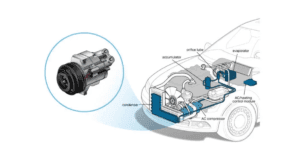 After visiting a trusted mechanic, the diagnosis was clear: a failed AC compressor. Replacing the compressor wasn’t the cheapest repair, but it restored my car’s cooling performance completely. That experience taught me how important this small component is and why choosing the right replacement matters.
If your vehicle’s air conditioning has stopped working or you’re hearing unusual noises whenever the AC turns on, this guide will explain everything you need to know about car AC compressor replacement, including symptoms, costs, repair options, installation, maintenance, and buying tips.
What Is a Car AC Compressor?
The AC compressor is often called the heart of your vehicle’s air conditioning system.
Its primary job is to compress refrigerant gas into high-pressure refrigerant before sending it through the condenser, where it cools and eventually becomes the cold air you enjoy inside your vehicle.
Without a functioning compressor, your AC system simply cannot produce cold air.
How Does an AC Compressor Work?
The cooling process follows several simple steps:
- Refrigerant enters the compressor.
- The compressor pressurizes the refrigerant.
- The hot, high-pressure refrigerant moves to the condenser.
- The condenser removes heat.
- Refrigerant travels through the expansion valve.
- It enters the evaporator.
- Cold air blows through your dashboard vents.
Everything starts with the compressor.
Common Signs You Need a Car AC Compressor Replacement
Here are the most common warning signs.
1. Warm Air From the Vents
The number one symptom.
Even when your AC is on maximum, the air stays warm.
2. Loud Grinding or Screeching
Internal bearings wear out over time. You may hear:
- Grinding
- Squealing
- Clicking
- Knocking
These sounds usually appear when the compressor clutch engages.
3. Compressor Clutch Doesn’t Engage
The clutch should click when the AC turns on. If it doesn’t:
- Electrical issue
- Low refrigerant
- Bad compressor
- Failed clutch
4. Refrigerant Leaks
Oil around compressor fittings often indicates leakage.
Low refrigerant causes poor cooling.
5. Blown AC Fuse
A seized compressor can overload the electrical circuit.
6. Burning Smell
Overheated compressor components may produce a burning odor.
Turn the AC off immediately.
What Causes AC Compressors to Fail?
Several issues can shorten compressor life.
Lack of Refrigerant
Low refrigerant means less lubrication.
This creates excessive heat.
Dirty Refrigerant
Moisture and contaminants damage internal valves.
Worn Bearings
Bearings naturally wear after years of operation.
Compressor Clutch Failure
Sometimes only the clutch fails instead of the compressor itself.
Poor Maintenance
Ignoring refrigerant leaks eventually damages the compressor.
Age
Most compressors last:
- 8–15 years
- 100,000–150,000 miles
Depending on maintenance.
Can You Drive with a Bad AC Compressor?
Technically, yes, es but it isn’t recommended. Potential problems include:
- Broken serpentine belt
- Engine accessory damage
- Metal contamination
- Higher repair costs
If the compressor has seized, driving may leave you stranded.
Repair vs Replacement
Sometimes repair is possible.
| Situation | Repair | Replace |
| Bad clutch | ✅ | ❌ |
| Electrical issue | ✅ | ❌ |
| Refrigerant leak | ✅ | ❌ |
| Internal compressor damage | ❌ | ✅ |
| Seized compressor | ❌ | ✅ |
| Metal contamination | ❌ | ✅ |
In many cases, replacement is the most reliable long-term solution.
Average Car AC Compressor Replacement Cost
Costs vary depending on vehicle type.
| Vehicle Type | Parts | Labor | Total Cost |
| Small Car | $250–$500 | $200–$400 | $450–$900 |
| Sedan | $300–$650 | $250–$450 | $550–$1,100 |
| SUV | $400–$800 | $300–$500 | $700–$1,300 |
| Luxury Vehicle | $700–$1,500 | $400–$700 | $1,100–$2,200 |
Luxury brands often require more expensive OEM compressors.
Should You Buy OEM or Aftermarket?
Both have advantages.
OEM Compressors
Pros
- Exact fit
- Factory quality
- Longer lifespan
- Better warranty
Cons
- Higher price
Aftermarket Compressors
Pros
- Lower cost
- Widely available
- Good performance from reputable brands
Cons
- Quality varies
- Some require modifications
New vs Remanufactured Compressors
Brand-New Compressor
Advantages
- Longest life
- Best reliability
- Better warranty
Disadvantages
- Higher price
Remanufactured Compressor
Advantages
- Lower cost
- Eco-friendly
- Often tested before sale
Disadvantages
- Shorter warranty
- Variable rebuild quality
Components That Should Be Replaced Together
Professional mechanics often recommend replacing additional parts during compressor replacement. These include:
- Receiver-drier
- Expansion valve or orifice tube
- O-rings
- Compressor oil
- Refrigerant
- AC seals
Replacing these parts reduces the risk of another failure.
What Happens During Replacement?
A professional repair typically includes:
- Recover refrigerant.
- Remove the serpentine belt.
- Disconnect the compressor.
- Install a new compressor.
- Replace the receiver-drier.
- Replace seals.
- Vacuum the AC system.
- Recharge refrigerant.
- Test system pressure.
- Verify cold air output.
DIY vs Professional Replacement
DIY replacement sounds tempting, but it isn’t easy.
DIY
Pros
- Saves labor
- Good learning experience
Cons
- Requires special tools
- Refrigerant recovery equipment
- Vacuum pump
- Manifold gauges
Improper installation can damage the new compressor.
Professional Installation
Pros
- Correct refrigerant charge
- Warranty
- Leak testing
- Proper oil quantity
Usually worth the investment.
My Honest Experience
When my compressor failed, I initially thought it was just low refrigerant. Unfortunately, adding refrigerant didn’t solve anything. The mechanic discovered internal compressor damage and metal debris inside the system.
Although replacing the compressor cost more than I expected, the repair included:
- New compressor
- Receiver-drier
- Refrigerant recharge
- System cleaning
- New seals
The AC immediately blew ice-cold air again. Looking back, I wish I had repaired a small refrigerant leak months earlier. That leak slowly starved the compressor of lubrication, ultimately causing its failure.
The lesson was simple: fixing small AC issues early is much cheaper than replacing the entire compressor.
How Long Does Replacement Take?
Most repairs require:
- 2–5 hours
Luxury or difficult vehicles may take longer.
Tips to Extend Compressor Life
Follow these habits.
- Run the AC weekly, even in winter.
- Fix refrigerant leaks immediately.
- Replace the cabin air filter regularly.
- Avoid overcharging the refrigerant.
- Use the correct compressor oil.
- Keep the condenser clean.
- Service the AC every few years.
Small maintenance steps can significantly extend compressor life.
Buyer’s Guide: Choosing the Best Replacement AC Compressor
Buying the right AC compressor is about more than finding the lowest price. A quality compressor improves cooling performance, lasts longer, and reduces the risk of repeat repairs.
1. Confirm Vehicle Compatibility
Always verify your:
- Vehicle make
- Model
- Year
- Engine size
- VIN (if available)
Even different engine options within the same model may use different compressors.
2. Decide Between OEM and Aftermarket
Choose OEM if:
- You want factory-quality fit and performance.
- Your vehicle is still under warranty.
- You plan to keep the car for many years.
Choose a quality aftermarket unit if:
- You’re looking to save money.
- It comes from a reputable manufacturer.
- It includes a solid warranty.
3. Check Warranty Coverage
A good compressor should include at least:
- 12-month warranty
- Preferably 24–36 months
Longer warranties often indicate better manufacturer confidence.
4. Inspect Build Quality
Look for:
- Clean machining
- Durable clutch assembly
- Corrosion-resistant finish
- New seals included
Avoid compressors with poor-quality castings or missing hardware.
5. Consider Complete Kits
Many kits include:
- Compressor
- Receiver-drier
- Expansion valve
- O-rings
- Compressor oil
Buying a complete kit can save money and ensure all critical components are replaced together.
6. Read Customer Reviews
Look for feedback about:
- Cooling performance
- Noise levels
- Ease of installation
- Reliability over time
- Warranty support
Consistently positive reviews are a good indicator of quality.
7. Don’t Forget Installation Costs
The cheapest compressor isn’t always the least expensive overall. If a low-quality unit fails prematurely, you’ll pay labor costs again. Investing in a reliable part often saves money in the long run.
Read More: Wing Mirror Glass Replacement Bolton
FAQs: Car AC Compressor Replacement
How do I know if my AC compressor is bad?
Common signs include warm air from the vents, unusual grinding or squealing noises, refrigerant leaks, or the compressor clutch failing to engage.
Can a bad AC compressor damage my engine?
A failed compressor usually won’t damage the engine directly, but a seized compressor can place excessive strain on the serpentine belt and related accessories.
Is it worth replacing a car’s AC compressor?
Yes, especially if the rest of the AC system is in good condition. A new compressor can restore reliable cooling and improve driving comfort.
Can I replace only the compressor?
You can, but many technicians recommend replacing the receiver-drier, expansion valve, seals, and refrigerant at the same time to reduce the chance of future problems.
How long does a replacement compressor last?
A quality compressor can typically last between 8 and 15 years, depending on maintenance, driving conditions, and proper refrigerant levels.
Why is AC compressor replacement expensive?
The cost includes the compressor itself, labor, refrigerant recovery and recharge, system evacuation, oil, and often replacement of additional components.
Can I drive without fixing the AC compressor?
If the compressor has not seized, the vehicle may still be drivable. However, continuing to drive with a failing compressor can lead to further damage and higher repair costs.
Does replacing the compressor improve fuel economy?
Indirectly, yes. A properly functioning compressor places the correct load on the engine, whereas a failing unit may increase engine drag and reduce efficiency.
Should I replace the compressor clutch instead of the whole compressor?
If only the clutch has failed and the compressor internals remain in good condition, replacing the clutch may be a cost-effective solution. A professional inspection can determine the best option.
How can I make my new compressor last longer?
Run the AC periodically throughout the year, repair refrigerant leaks promptly, keep the condenser clean, replace the cabin air filter regularly, and have the system serviced according to your vehicle manufacturer’s recommendations.
Final Thoughts
A failing AC compressor can quickly turn comfortable drives into frustrating ones, especially during hot weather. While replacement can be a significant investment, choosing a quality compressor, replacing related components when necessary, and ensuring professional installation can restore your vehicle’s cooling performance for many years.
From my own experience, delaying repairs on a minor refrigerant leak ultimately led to a complete compressor failure. Addressing small issues early is almost always less expensive than replacing major components later.
Whether you choose an OEM or a high-quality aftermarket compressor, focusing on compatibility, warranty, and installation quality will help you get the best value and long-term reliability.