If you’ve ever heard a mechanic mention a “car accumulator,” you might have wondered what exactly it does. Unlike obvious components such as the engine, battery, or radiator, the accumulator is a hidden but important part found in certain automotive systems.
Depending on the vehicle, an accumulator may be part of the air conditioning system, hydraulic braking system, or suspension system. Its main job is to store pressure, filter contaminants, and help systems operate smoothly and efficiently.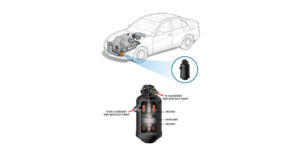 When functioning properly, most drivers never notice it. However, when an accumulator fails, it can lead to poor air conditioning performance, braking issues, unusual noises, or costly repairs.
In this guide, I’ll explain what a car accumulator is, how it works, where it’s located, signs of failure, replacement costs, and what to consider when buying a replacement.
Quick Answer
A car accumulator is a pressure-storage component used in systems such as air conditioning, hydraulic brakes, and suspension systems.
It stores refrigerant or hydraulic pressure, filters contaminants, and helps maintain consistent system performance.
Accumulator vs Other Similar Components
| Component | Primary Function | Location | Common System |
| Accumulator | Stores pressure and filters contaminants | AC line or hydraulic system | AC, brakes, suspension |
| Receiver-Drier | Stores liquid refrigerant and removes moisture | AC high-pressure side | Air conditioning |
| Expansion Valve | Controls refrigerant flow | AC system | Air conditioning |
| Brake Booster | Assists braking force | Brake assembly | Braking system |
| Reservoir Tank | Stores fluid supply | Various systems | Hydraulic systems |
Understanding the Car Accumulator
The word “accumulator” simply means a device that stores something for later use. In automotive applications, an accumulator stores either:
- Refrigerant
- Hydraulic pressure
- Hydraulic fluid
The stored energy helps systems operate consistently even when demand suddenly changes.
Think of it as a temporary storage tank that smooths out fluctuations. For example:
- In an AC system, it stores refrigerant and removes moisture.
- In a hydraulic brake system, it stores pressure for rapid braking response.
- In advanced suspensions, it helps absorb shocks and maintain ride quality.
How an AC Accumulator Works
The most common accumulator found in passenger vehicles is the air conditioning accumulator. It is usually installed between:
- The evaporator
- The compressor
Its job includes several critical functions.
1. Preventing Liquid Refrigerant from Entering the Compressor
- Compressors are designed to compress gas, not liquid.
- If liquid refrigerant enters the compressor, severe damage can occur.
- The accumulator ensures only vapor reaches the compressor.
2. Removing Moisture
Moisture is one of the biggest enemies of an AC system. Inside the accumulator is a desiccant material that absorbs water. Removing moisture prevents:
- Corrosion
- Ice formation
- Internal damage
3. Filtering Debris
The accumulator contains filtering elements that trap contaminants before they reach sensitive components.
4. Storing Excess Refrigerant
During operation, refrigerant demand changes constantly. The accumulator temporarily stores excess refrigerant to maintain proper flow.
Main Parts of an AC Accumulator
A typical AC accumulator contains:
Housing
A metal cylinder that holds all internal components.
Desiccant Bag
Absorbs moisture from refrigerant.
Pickup Tube
Allows refrigerant vapor to travel toward the compressor.
Filter Screen
Captures dirt and contaminants.
Oil Return Port
Returns lubricant oil to the compressor.
What Does a Brake Accumulator Do?
Some vehicles use hydraulic braking systems with accumulators. These accumulators store pressurized fluid. Benefits include:
- Faster brake response
- Backup pressure during emergencies
- Consistent braking performance
Hydraulic accumulators are common in:
- Heavy-duty trucks
- Industrial vehicles
- Some luxury vehicles
- Hybrid systems
What Does a Suspension Accumulator Do?
Advanced suspension systems may use accumulators to improve comfort. The accumulator stores hydraulic energy and helps:
- Absorb road impacts
- Reduce vibrations
- Improve ride quality
- Stabilize vehicle handling
Luxury and specialty vehicles often use these systems.
Where Is the Accumulator Located?
Location depends on the vehicle system.
AC System
Typically located:
- Near the firewall
- Between the evaporator and compressor
- On the low-pressure side
Brake System
Usually mounted near:
- Brake master cylinder
- Hydraulic pump
Suspension System
Often located:
- Near hydraulic suspension components
- Close to suspension pumps
Signs of a Bad AC Accumulator
After years of use, accumulators can fail. Common warning signs include:
Poor Cooling Performance
The AC may blow:
- Warm air
- Inconsistent temperatures
Unusual AC Noises
You may hear:
- Rattling
- Clicking
- Hissing
Refrigerant Leaks
Leaks around the accumulator body indicate corrosion or damage.
Moisture in the System
A failed desiccant can no longer remove water effectively.
Compressor Problems
A damaged accumulator can allow liquid refrigerant into the compressor. This may cause:
- Compressor wear
- Compressor seizure
- Expensive repairs
Symptoms of a Failing Hydraulic Accumulator
Hydraulic accumulators can show different warning signs.
Hard Brake Pedal
Stored pressure decreases significantly.
Slow Brake Response
Braking performance may suffer.
Warning Lights
Electronic systems may detect pressure issues.
Pump Running Frequently
The hydraulic pump may cycle excessively.
Common Causes of Accumulator Failure
Several factors contribute to accumulator damage.
Age
Most accumulators naturally wear out over time.
Moisture Contamination
Water can degrade internal materials.
Corrosion
Road salt and environmental exposure accelerate rust.
Compressor Failure
Metal debris from a failing compressor can contaminate the accumulator.
Refrigerant Leaks
Leaks reduce system efficiency and increase component stress.
How Long Does an Accumulator Last?
Average lifespan varies.
| System Type | Typical Lifespan |
| AC Accumulator | 8–15 years |
| Hydraulic Accumulator | 7–12 years |
| Suspension Accumulator | 8–15 years |
Actual lifespan depends on:
- Climate
- Maintenance
- Driving conditions
- System usage
Can You Drive with a Bad Accumulator?
- For AC accumulators, yes, but comfort and cooling performance suffer.
- However, continuing to drive with a faulty accumulator can eventually damage the compressor.
- For brake or hydraulic accumulators, the situation is more serious.
- Reduced braking performance can create safety risks and should be addressed immediately.
Accumulator Replacement Cost
Costs vary depending on vehicle type.
| Service | Average Cost |
| AC Accumulator Part | $30–$150 |
| AC Accumulator Replacement | $150–$500 |
| Hydraulic Accumulator | $200–$1,000+ |
| Suspension Accumulator | $300–$1,500+ |
Luxury vehicles often cost more due to specialized components.
Should You Replace the Accumulator When Replacing the Compressor?
Most professional technicians strongly recommend it. Reasons include:
- Prevent contamination
- Remove moisture
- Protect the new compressor
- Improve system reliability
Replacing both components together often prevents repeat repairs.
Buyer’s Guide: Choosing the Right Car Accumulator
Purchasing the correct accumulator is important.
Match Your Vehicle Exactly
Always verify:
- Make
- Model
- Year
- Engine size
Small differences can affect compatibility.
Choose OEM or High-Quality Aftermarket Parts
OEM parts offer factory-level fitment. Quality aftermarket brands can provide excellent value.
Inspect Construction Quality
Look for:
- Durable aluminum housing
- Corrosion-resistant coatings
- Quality desiccant materials
Warranty Coverage
A longer warranty usually indicates greater manufacturer confidence.
Replace Related Components
When replacing an AC accumulator, consider replacing:
- O-rings
- Expansion valve
- Receiver components (if applicable)
This improves overall system reliability.
Maintenance Tips to Extend Accumulator Life
Proper maintenance can significantly increase lifespan.
Run the AC Regularly
Even in winter, occasional operation keeps seals lubricated.
Fix Leaks Quickly
Small leaks become larger problems over time.
Service the AC System Properly
Use correct refrigerant and oil specifications.
Keep Components Clean
Removing debris and corrosion helps prevent damage.
Address Compressor Issues Immediately
A failing compressor can quickly contaminate the accumulator.
My Personal Thoughts on Car Accumulators
The accumulator is one of those components drivers rarely think about until something goes wrong.
In my experience, many AC system failures that appear to be compressor problems actually involve a neglected accumulator. Because it handles moisture, contaminants, and refrigerant management, it quietly protects some of the most expensive components in the system.
For most vehicle owners, replacing an aging accumulator during major AC repairs is inexpensive insurance against future compressor damage.
It’s not the most exciting automotive part, but it performs an essential role that helps keep your vehicle comfortable, reliable, and efficient.
Read More: Car AC Evaporator Cleaning
FAQs: What Is The Accumulator On A Car
What is the purpose of an accumulator on a car?
An accumulator stores refrigerant or hydraulic pressure, filters contaminants, removes moisture, and helps maintain consistent system performance.
Is an accumulator the same as a receiver-drier?
No. Although both remove moisture, they are used in different AC system designs and operate differently.
What happens if an AC accumulator fails?
Cooling performance may decrease, moisture can contaminate the system, and compressor damage may occur.
Can I replace an accumulator myself?
Experienced DIY mechanics may replace an AC accumulator, but proper refrigerant recovery equipment is required.
How often should an accumulator be replaced?
There is no fixed interval, but replacement is often recommended when major AC components are serviced.
Does every car have an accumulator?
No. Some vehicles use an accumulator, while others use a receiver-drier depending on the AC system design.
Is a bad accumulator dangerous?
An AC accumulator is generally not dangerous, but a failed brake accumulator can reduce braking performance and create safety concerns.
Can a bad accumulator damage the compressor?
Yes. Moisture, debris, and liquid refrigerant can damage the compressor if the accumulator no longer functions properly.
How much does an accumulator cost?
Most AC accumulators cost between $30 and $150 for the part alone, though labor increases total repair costs.
Should the accumulator be replaced with the compressor?
Yes. This is considered best practice and helps protect the new compressor from contamination.
Final Thoughts
So, what is the accumulator on a car? It’s a critical pressure-management and filtering component that helps air conditioning, braking, and suspension systems function correctly. While often overlooked, the accumulator protects expensive parts, improves efficiency, and contributes to overall vehicle reliability.
Whether you’re troubleshooting an AC issue, planning preventive maintenance, or replacing a compressor, understanding the role of the accumulator can save both money and frustration in the long run.