Most drivers regularly think about changing engine oil, rotating tires, or replacing brake pads. Yet one of the most overlooked maintenance items is the cabin air filter.
This small filter quietly works every time you drive, trapping dust, pollen, dirt, mold spores, road debris, and other airborne contaminants before they enter your vehicle’s interior.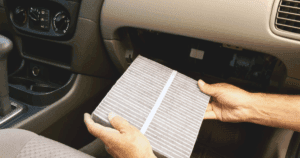 I learned just how important this component is after noticing my car’s air conditioner wasn’t blowing as strongly as before. At first, I assumed the AC needed servicing.
Instead, the mechanic pulled out the cabin air filter, and it was almost black with dirt, leaves, and debris. Replacing that inexpensive filter instantly improved airflow, eliminated a musty smell, and made the cabin feel noticeably fresher.
If you’ve been wondering whether your cabin air filter needs replacing, this guide covers everything you need to know, from recognizing the warning signs to choosing the right replacement filter.
What Is a Cabin Air Filter?
A cabin air filter is a replaceable filter located inside your vehicle’s heating, ventilation, and air conditioning (HVAC) system. Its primary purpose is to clean the air entering your car before it reaches passengers.
The filter captures:
- Dust
- Pollen
- Road dirt
- Mold spores
- Smoke particles
- Soot
- Insect debris
- Leaves
- Airborne allergens
- Fine pollutants
Without it, these contaminants would circulate directly inside your vehicle.
Why Does a Cabin Air Filter Get Dirty?
The filter constantly traps airborne particles. Over time, these particles build up until airflow becomes restricted. Common causes include:
- Driving on dusty roads
- Heavy city traffic
- Construction zones
- Tree pollen
- Fallen leaves
- Humid weather
- Wildfire smoke
- Industrial pollution
- Long replacement intervals
If you frequently drive in difficult conditions, your filter may become clogged much sooner than the recommended replacement interval.
Signs of a Dirty Cabin Air Filter
Several symptoms can indicate it’s time for a replacement.
1. Weak Airflow from the Vents
One of the first warning signs is reduced airflow. Even with the fan on its highest setting, very little air reaches the cabin because the clogged filter blocks circulation.
2. Bad Smell Inside the Vehicle
A dirty filter can trap moisture. Combined with dust and organic debris, this creates an unpleasant musty odor whenever the HVAC system runs.
3. Foggy Windows
When airflow decreases, the defroster becomes less effective. Windows may take longer to clear during rainy or cold weather.
4. More Dust Inside the Cabin
If the filter becomes overloaded, tiny particles may bypass it. You may notice dust collecting faster on:
- Dashboard
- Seats
- Center console
- Door panels
5. Increased Allergy Symptoms
A clogged filter struggles to trap pollen and allergens. Passengers may experience:
- Sneezing
- Itchy eyes
- Coughing
- Runny nose
- Breathing discomfort
6. Noisy HVAC Fan
The blower motor works harder to force air through a blocked filter. This may produce:
- Whistling
- Humming
- Increased fan noise
7. Poor Air Conditioner Performance
- Many drivers mistakenly think their AC has failed.
- In reality, cold air cannot move efficiently through the clogged filter.
- The result is weak cooling despite the AC working properly.
Dirty Cabin Air Filter vs Clean Cabin Air Filter
| Feature | Clean Cabin Air Filter | Dirty Cabin Air Filter |
| Airflow | Strong | Weak |
| Air Quality | Clean and fresh | Dusty and stale |
| AC Performance | Efficient | Reduced cooling |
| Heater Performance | Excellent | Restricted airflow |
| Cabin Odor | Fresh | Musty or unpleasant |
| Window Defrosting | Fast | Slow |
| Blower Motor Load | Normal | Increased |
| Passenger Comfort | High | Reduced |
| Allergy Protection | Excellent | Poor |
| HVAC Efficiency | Maximum | Reduced |
How a Dirty Cabin Air Filter Affects Your Car
Many people think a dirty filter only affects air quality.
Actually, it impacts several vehicle systems.
Reduced HVAC Efficiency
Air cannot move freely.
The entire heating and cooling system becomes less effective.
Increased Blower Motor Wear
The blower motor works harder.
This can shorten its lifespan.
Reduced Fuel Efficiency
While the effect is small, the HVAC system may consume slightly more energy because of restricted airflow.
Less Effective Heating
Winter driving becomes less comfortable.
Warm air struggles to circulate throughout the cabin.
Poor Air Conditioning
Cooling performance decreases significantly.
Passengers often mistake this for refrigerant problems.
Health Effects of a Dirty Cabin Air Filter
The cabin air filter protects more than your HVAC system.
It also protects your health.
A clogged filter may allow increased exposure to:
- Dust
- Allergens
- Mold spores
- Fine pollution
- Bacteria
- Smoke particles
This can be especially problematic for:
- Children
- Older adults
- Asthma sufferers
- Allergy sufferers
- Anyone with respiratory conditions
Replacing the filter regularly helps maintain cleaner cabin air and can make driving more comfortable, particularly during allergy season.
How Often Should You Replace a Cabin Air Filter?
Most manufacturers recommend replacing the cabin air filter every 12,000 to 15,000 miles (20,000–24,000 km) or about once a year. However, you may need to replace it sooner if you:
- Drive on dusty roads frequently.
- Commute in heavy traffic every day.
- Live in an area with high pollen counts.
- Drive through construction zones often.
- Experience wildfire smoke or poor air quality.
- Notice reduced airflow or unpleasant odors before the scheduled interval.
Checking the filter during routine maintenance is a simple way to determine whether it still has useful life left.
How to Inspect a Dirty Cabin Air Filter
Checking your cabin air filter is one of the easiest maintenance tasks you can perform. In most vehicles, the filter is located behind the glove box, although some models place it under the dashboard or beneath the hood.
Step 1: Consult Your Owner’s Manual
Locate the cabin air filter housing. The owner’s manual will show its exact position and any special instructions.
Step 2: Remove the Filter
Open the housing carefully and slide the filter out. Be gentle to avoid spilling trapped dirt into the HVAC system.
Step 3: Inspect the Filter
A clean filter should appear white or light gray with only a small amount of dust. Replace the filter if you notice:
- Heavy dirt buildup
- Dark gray or black discoloration
- Leaves or insects trapped inside
- Mold spots
- Tears or damage
- A strong musty odor
If you can’t see light through much of the filter material, it’s likely time for a replacement.
How to Replace a Cabin Air Filter
Replacing a cabin air filter typically takes 10–20 minutes and requires few, if any, tools.
Tools You May Need
- New cabin air filter
- Screwdriver (if required)
- Flashlight
- Vacuum cleaner (optional)
Step-by-Step Instructions
- Turn off the engine.
- Open the glove compartment or access panel.
- Remove any retaining clips or screws.
- Slide the old filter out.
- Vacuum loose debris from the housing.
- Check the airflow direction arrow on the new filter.
- Install the new filter in the correct orientation.
- Reinstall the cover and glove box.
- Start the vehicle and test the HVAC system.
You should notice stronger airflow and fresher air almost immediately.
Types of Cabin Air Filters
Not all cabin air filters offer the same level of protection.
Standard Particulate Filter
These filters capture dust, pollen, and larger airborne particles. They’re affordable and suitable for most drivers.
Best for:
- Everyday commuting
- Moderate climates
- Budget-conscious owners
Activated Carbon Filter
These include a layer of activated carbon that helps absorb odors, smoke, and harmful gases.
Best for:
- Urban driving
- Heavy traffic
- Areas with pollution
- Drivers sensitive to odors
HEPA-Style Cabin Filter
HEPA-style filters capture a higher percentage of very fine particles, making them a premium option for improved air quality.
Best for:
- Allergy sufferers
- Families with children
- Drivers seeking maximum filtration
Cabin Air Filter Replacement Cost
The total cost depends on your vehicle and whether you replace it yourself or visit a repair shop.
| Replacement Method | Typical Cost |
| DIY Filter Only | $15–$40 |
| Premium Carbon Filter | $25–$60 |
| HEPA-Style Filter | $35–$80 |
| Professional Installation | $50–$120 |
DIY replacement can save money and is often straightforward for most vehicles.
Buyer’s Guide: Choosing the Best Cabin Air Filter
Buying the right cabin air filter isn’t just about finding the cheapest option. Consider the following factors before making your purchase.
1. Vehicle Compatibility
Always verify that the filter is designed for your vehicle’s make, model, and year. Using the wrong size can reduce filtration and airflow.
2. Filter Type
Choose a filter based on your driving conditions:
- Standard filter for general use
- Activated carbon for odor and pollution control
- HEPA-style for superior particle filtration
3. Build Quality
Look for:
- Durable filter media
- Strong frame construction
- Even pleat spacing
- Reliable sealing edges
A well-built filter lasts longer and performs better.
4. Brand Reputation
Established manufacturers generally provide better quality control and more consistent performance than unknown brands.
5. Driving Environment
Your local environment matters. If you frequently drive on dusty roads or in areas with heavy pollen or pollution, investing in a premium filter is often worthwhile.
Tips to Keep Your Cabin Air Filter Cleaner for Longer
While every filter eventually needs replacement, these habits can help extend its service life:
- Replace the filter at the recommended interval.
- Park away from heavy dust whenever possible.
- Remove leaves from the cowl area below the windshield.
- Keep windows closed in dusty environments.
- Use the recirculation mode when driving through smoke or heavy traffic.
- Inspect the filter during routine maintenance.
Common Mistakes to Avoid
Avoid these common errors when replacing or maintaining your cabin air filter:
- Ignoring replacement intervals
- Installing the filter backward
- Buying the wrong size
- Reusing a heavily clogged filter
- Forgetting to clean the filter housing
- Assuming poor AC performance always means low refrigerant levels
Read More: How To Test Car AC Evaporator
FAQs: Dirty Car Cabin Air Filter
Can a dirty cabin air filter affect air conditioning?
Yes. A clogged filter restricts airflow, making your air conditioner feel weaker even if it’s producing cold air.
Can a dirty cabin air filter make my car smell bad?
Yes. Dirt, moisture, mold, and trapped organic material can create unpleasant odors when the HVAC system is running.
Is it safe to drive with a dirty cabin air filter?
Generally, yes. However, it can reduce comfort, worsen air quality, strain the blower motor, and affect heating and cooling performance. Replacing it promptly is recommended.
Can a dirty cabin air filter cause allergies?
Yes. A clogged filter is less effective at trapping pollen, dust, and other allergens, which may increase allergy symptoms for some passengers.
How often should I replace my cabin air filter?
A good rule of thumb is every 12 months or 12,000–15,000 miles, although dusty or polluted driving conditions may require more frequent replacement.
Can I clean a cabin air filter instead of replacing it?
Most disposable paper filters are designed to be replaced, not cleaned. Attempting to wash or blow them out with compressed air can damage the filter media and reduce effectiveness.
Does a cabin air filter improve fuel economy?
Not directly. However, maintaining proper HVAC airflow can help the system operate more efficiently and reduce unnecessary strain on the blower motor.
What happens if I never replace my cabin air filter?
A neglected filter can become severely clogged, reducing airflow, increasing odors, allowing more contaminants into the cabin, and placing extra stress on the HVAC system.
Final Thoughts
A dirty cabin air filter is easy to overlook, but its impact on your driving experience can be significant. From weak airflow and unpleasant odors to increased allergens and reduced HVAC efficiency, a neglected filter affects both comfort and vehicle performance.
The good news is that replacing a cabin air filter is inexpensive, quick, and one of the simplest maintenance tasks you can perform. Whether you choose a standard, activated carbon, or HEPA-style filter, keeping it fresh will improve cabin air quality, support your heating and cooling system, and make every drive more enjoyable.
Make it a habit to inspect your cabin air filter during routine maintenance. A few minutes of attention today can lead to cleaner air, better comfort, and a healthier driving environment for you and your passengers.