Checking your car’s oil level is one of the easiest maintenance tasks you’ll ever perform, yet it’s also one of the most important. It takes less than five minutes, requires almost no mechanical knowledge, and can help prevent expensive engine repairs.
I’ll admit something: I didn’t always check my engine oil regularly. Like many drivers, I assumed that as long as the car was running smoothly, everything was fine. That changed after a friend’s car suffered severe engine damage because the oil level had dropped too low.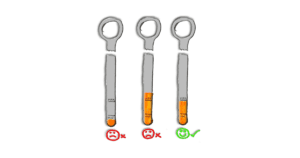 The repair bill was several thousand dollars, which could have been avoided with a quick check. Since then, checking the oil has become part of my monthly routine. It’s quick, easy, and gives me peace of mind before long road trips.
Whether you’re a brand-new driver or someone who simply wants to understand basic car maintenance, this guide explains everything you need to know.
Why Checking Your Oil Level Matters
Engine oil is often called the lifeblood of your vehicle. Its job is to:
- Lubricate moving engine parts
- Reduce friction
- Prevent overheating
- Clean internal engine components
- Protect against corrosion
- Improve engine lifespan
When oil becomes too low, your engine loses this protection. Metal parts begin rubbing together, creating excessive heat and wear that can eventually destroy the engine.
A simple five-minute oil check can prevent repairs costing thousands of dollars.
How Often Should You Check Engine Oil?
A good rule is:
| Driving Style | Recommended Oil Check |
| Daily commuting | Once every month |
| Older vehicles | Every two weeks |
| Before long road trips | Always |
| High-mileage engines | Weekly |
| Heavy towing or extreme weather | Weekly |
If your vehicle consumes oil naturally, checking more frequently is a smart idea.
What You’ll Need
The good news is that you don’t need expensive tools. You’ll only need:
- A clean paper towel or cloth
- Good lighting
- Your car is parked on level ground
- Five minutes of time
That’s it.
Step-by-Step: How to Check a Car’s Oil Level
Step 1: Park on Level Ground
Always park on a flat surface.
If the car is parked on a slope, the oil inside the engine will shift to one side, producing an inaccurate reading.
This is probably the most overlooked step by beginners.
Step 2: Turn Off the Engine
Never check oil immediately after driving.
Wait around:
- 5 minutes after normal driving
- 10–15 minutes after highway driving
This allows oil to drain back into the oil pan.
Step 3: Open the Hood
Locate the hood release lever inside the cabin.
Lift the hood and secure it with the hood support rod if necessary.
Step 4: Find the Oil Dipstick
The dipstick usually has:
- Yellow handle
- Orange handle
- Bright red handle
Most manufacturers make it easy to identify.
Step 5: Pull Out the Dipstick
Carefully remove it.
The first reading is usually inaccurate because oil has splashed onto the stick.
Step 6: Wipe It Clean
Use:
- Paper towel
- Shop towel
- Clean microfiber cloth
Wipe away all oil.
Step 7: Reinsert the Dipstick
Push it all the way back into the tube.
Don’t leave it partially inserted.
Step 8: Remove It Again
Now examine both sides carefully.
You’ll see the true oil level.
Understanding the Dipstick Marks
Most dipsticks have two markings. Examples include:
- MIN and MAX
- LOW and FULL
- Two small holes
- Crosshatched section
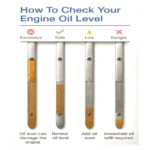
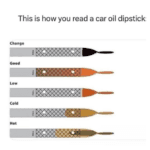
If the oil level is:
At the top mark
- Perfect
Between the marks
- Safe
Near the bottom mark
- Add oil soon
Below minimum
- Do not continue driving long distances until oil is added.
What Healthy Oil Looks Like
Healthy engine oil usually appears:
- Amber
- Light brown
- Smooth
- Slightly transparent
As oil ages, it naturally darkens. Dark oil alone doesn’t necessarily mean it needs changing.
Signs Your Oil Needs Attention
Watch for:
- Thick sludge
- Milky appearance
- Metal particles
- Burnt smell
- Foamy texture
These could indicate mechanical issues requiring professional inspection.
Common Mistakes Beginners Make
Here are the most frequent errors.
Checking While Engine Is Running
Never do this.
Always turn the engine off first.
Forgetting to Wipe the Dipstick
This gives an inaccurate reading.
Parking on a Hill
Oil pools to one side.
Always use level ground.
Overfilling Oil
More isn’t better.
Too much oil can damage seals and increase crankshaft resistance.
Ignoring Warning Lights
If the oil pressure warning light appears while driving, address it immediately according to your owner’s manual.
Oil Level Reading Guide
| Oil Level | Condition | Recommended Action |
| Above Maximum | Overfilled | Drain excess oil |
| Full | Excellent | No action needed |
| Middle | Normal | Continue driving |
| Near Minimum | Low | Add the recommended oil soon |
| Below Minimum | Unsafe | Add oil before extended driving |
My Personal Experience
Checking my oil used to feel intimidating because I assumed anything under the hood required mechanical expertise. The first time I checked it, I realized it was actually easier than checking tire pressure. Now I check:
- Before every road trip
- Once each month
- Whenever I notice unusual engine sounds
- Before winter begins
I’ve caught low oil twice before it became a serious issue, and both times, adding the correct oil took just a few minutes. That simple habit has given me confidence in maintaining my vehicle and likely saved me from much more expensive problems.
When Should You Add More Oil?
If the level is:
- Below halfway
- Close to minimum
- At minimum
Top it off using the exact oil specification recommended by your vehicle manufacturer.
Never guess the oil type.
Common grades include:
- 0W-20
- 5W-20
- 5W-30
- 10W-30
Using the wrong viscosity may affect engine performance and protection.
What Happens If Oil Gets Too Low?
Low engine oil can lead to:
- Increased friction
- Engine overheating
- Premature wear
- Reduced fuel efficiency
- Engine knocking
- Complete engine failure
Repairs can range from a simple oil top-up to a full engine replacement if the problem is ignored.
Tips for Maintaining Healthy Engine Oil
Good maintenance habits include:
- Check oil monthly.
- Change oil at recommended intervals.
- Replace the oil filter during oil changes.
- Use manufacturer-approved oil.
- Fix oil leaks promptly.
- Avoid excessive engine idling.
- Monitor dashboard warning lights.
- Keep maintenance records.
These simple habits can significantly extend engine life.
Buyer’s Guide: Choosing the Right Engine Oil and Oil-Checking Accessories
Buying the right products can make oil maintenance easier and help protect your engine. Here are the key things to consider.
1. Follow Your Owner’s Manual
Always choose the oil viscosity and performance standard recommended for your vehicle. Using the correct specification helps ensure proper lubrication and engine performance.
2. Conventional vs. Synthetic Oil
| Type | Best For | Pros | Cons |
| Conventional Oil | Older engines, light driving | Lower cost | Shorter service life |
| Synthetic Blend | Mixed driving | Better protection than conventional | Mid-range price |
| Full Synthetic | Modern engines, extreme temperatures | Excellent protection, longer intervals | Higher upfront cost |
3. Essential Accessories
Useful items to keep in your garage or trunk include:
- Clean microfiber cloths or paper towels
- A funnel for adding oil without spills
- Disposable gloves
- A small flashlight for low-light conditions
- A spare bottle of the correct engine oil
4. Watch for Quality Certifications
Choose engine oils that meet the specifications listed by your vehicle manufacturer. Reputable brands clearly display certification and viscosity information on the label.
5. Don’t Buy Based on Price Alone
The cheapest oil isn’t always the best value. A quality oil that matches your vehicle’s requirements can reduce engine wear and may save money on repairs over time.
Read More: How To Test Car AC Evaporator
FAQs: How To Check A Car’s Oil Level
1. How often should I check my car’s oil level?
For most vehicles, checking once a month and before long trips is a good habit. Older or high-mileage cars may benefit from more frequent checks.
2. Can I check the oil when the engine is hot?
It’s best to wait a few minutes after turning the engine off so the oil can drain back into the oil pan, giving a more accurate reading.
3. What if my oil is black?
Oil naturally darkens as it collects contaminants. Dark color alone doesn’t necessarily mean it needs changing. Follow your maintenance schedule and inspect the oil’s texture and level as well.
4. Is it bad to slightly overfill engine oil?
Yes. Too much oil can cause foaming, increased pressure, and possible engine damage. If you’ve added too much, remove the excess before driving extensively.
5. Should I check oil before or after driving?
Check it after the engine has been turned off and allowed to sit for several minutes. This provides the most accurate measurement.
6. What happens if I never check my oil?
You risk running the engine with insufficient lubrication, which can lead to overheating, excessive wear, and potentially catastrophic engine failure.
7. Why does my car use oil between oil changes?
Some engines naturally consume small amounts of oil, especially as they age. If you notice rapid oil loss or frequent top-ups, have the vehicle inspected for leaks or excessive oil consumption.
8. Can I mix different engine oils?
In an emergency, mixing compatible oils of the same viscosity may be acceptable, but it’s best to use the exact oil recommended by your vehicle manufacturer whenever possible.
9. What should I do if the oil level is below the minimum mark?
Add the correct type of engine oil before taking long trips. If the level continues to drop quickly, inspect the vehicle for leaks or have it checked by a qualified technician.
10. Does synthetic oil change how I check the oil level?
No. The checking procedure is the same regardless of whether your vehicle uses conventional, synthetic blend, or full synthetic oil.
Final Thoughts
Learning how to check a car’s oil level is one of the simplest and most valuable maintenance skills any driver can develop. It requires no special mechanical expertise, takes only a few minutes, and can help you spot potential problems before they become costly repairs.
By making oil checks part of your routine, using the correct oil for your vehicle, and paying attention to changes in the oil’s level or condition, you’ll help keep your engine running smoothly for years to come.
Whether you drive every day, take occasional road trips, or own an older high-mileage vehicle, this small habit can make a big difference in your car’s reliability, performance, and longevity.