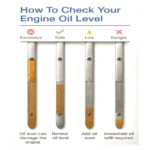
Checking your car’s engine oil is one of the simplest yet most important maintenance tasks every vehicle owner should learn. While modern cars have become increasingly advanced, the traditional oil dipstick remains one of the best tools for monitoring engine health. I still remember the first time I checked my own engine oil. I expected it to be complicated, but the entire process took less than five minutes. Since then, checking oil has become part of my regular vehicle maintenance routine. It’s quick, easy, and can save hundreds or even thousands of dollars in future engine repairs.
Whether you’re a new driver or simply want to improve your car maintenance skills, this guide will walk you through exactly how to check car engine oil, why it matters, and what to do if your oil level is low.
Why Engine Oil Is So Important
Engine oil acts as the lifeblood of your vehicle. It performs several critical functions:
- Lubricates moving engine parts
- Reduces friction
- Prevents excessive wear
- Helps cool engine components
- Cleans internal engine surfaces
- Protects against corrosion
- Improves engine efficiency
Without sufficient oil, engine components can quickly suffer serious damage.
Quick Comparison Table: Oil Level Conditions
| Oil Condition | Appearance on Dipstick | Recommended Action |
| Full | Near MAX mark | No action needed |
| Slightly Low | Between MIN and MAX | Monitor regularly |
| Low | Near MIN mark | Add oil soon |
| Very Low | Below the MIN mark | Add oil immediately |
| Dirty Oil | Dark, thick appearance | Consider an oil change |
| Milky Oil | Creamy appearance | Seek professional inspection |
When Should You Check Engine Oil?
Most automotive experts recommend checking oil:
- Once per month
- Before long road trips
- After noticing the warning lights
- After engine repairs
- Every 1,000 miles for older vehicles
Many drivers only think about oil during oil changes. However, regular inspections help catch issues before they become expensive problems.
Tools You’ll Need
The good news is that checking oil requires very little equipment. Basic items include:
- Clean paper towel
- Rag or cloth
- Good lighting
- Disposable gloves (optional)
No special mechanical experience is required.
Step-by-Step Guide: How To Check Car Engine Oil
Step 1: Park on a Level Surface
- The vehicle should be parked on flat ground.
- Why?
- An uneven surface can cause inaccurate oil readings.
- Turn off the engine and engage the parking brake.
Step 2: Allow the Engine to Cool
- Wait approximately 5–10 minutes after shutting off the engine.
- This allows oil to drain back into the oil pan.
- Checking immediately after driving may provide a misleading reading.
Step 3: Open the Hood
- Locate the hood release inside the vehicle.
- Lift the hood and secure it using the hood prop or hydraulic supports.
Step 4: Locate the Oil Dipstick
The dipstick usually features:
- Yellow handle
- Orange handle
- Bright-colored loop
Refer to your owner’s manual if you’re unsure.
Step 5: Remove the Dipstick
- Pull the dipstick out completely.
- Don’t be surprised if oil is spread unevenly on the stick.
- This is normal.
Step 6: Wipe the Dipstick Clean
- Use a clean paper towel or cloth.
- Remove all oil from the dipstick.
- This step ensures an accurate reading.
Step 7: Reinsert the Dipstick
- Push the dipstick all the way back into its tube.
- Ensure it seats fully.
Step 8: Remove the Dipstick Again
- Pull it out carefully.
- Now you’ll see the true oil level.
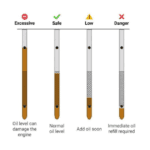
Step 9: Read the Oil Level
Most dipsticks feature:
- MIN mark
- MAX mark
Or:
- Two holes
- Crosshatched section
The oil should ideally fall near the upper mark.
Step 10: Evaluate Oil Condition
Checking quantity is important. Checking quality is equally important. Healthy oil typically appears:
- Amber
- Light brown
- Smooth consistency
Problematic oil may appear:
- Thick
- Sludgy
- Milky
- Gritty
Understanding Dipstick Markings
Different manufacturers use different designs. Common indicators include:
Full Mark
Indicates optimal oil level.
Low Mark
Indicates minimum safe level.
Crosshatched Zone
Acceptable operating range.
Keeping oil near the upper limit is generally recommended.
What Happens If Oil Is Low?
Low oil levels can create serious issues. Potential consequences include:
Increased Friction
Metal components rub together.
Overheating
Oil helps dissipate heat.
Reduced Fuel Efficiency
Engines work harder with insufficient lubrication.
Premature Engine Wear
Components deteriorate faster.
Engine Failure
Severe oil shortages can destroy an engine.
How To Add Engine Oil
If your oil level is low:
- Locate the oil filler cap
- Remove the cap
- Add small amounts of oil
- Wait a few minutes
- Recheck the dipstick
Avoid overfilling. Too much oil can be just as harmful as too little.
Common Oil Checking Mistakes
Checking on a Slope
Results may be inaccurate.
Not Wiping the Dipstick
Old oil residue can distort readings.
Reading the Wrong Side
Always inspect both sides.
Use the lower, clearer reading.
Checking Immediately After Driving
Oil hasn’t fully settled.
Overfilling
More oil isn’t always better.
Excess oil can create foaming and pressure issues.
Conventional vs Synthetic Oil Comparison
| Feature | Conventional Oil | Synthetic Oil |
| Cost | Lower | Higher |
| Engine Protection | Good | Excellent |
| Temperature Resistance | Moderate | Superior |
| Lifespan | Shorter | Longer |
| Fuel Efficiency | Standard | Improved |
| Cold Weather Performance | Average | Excellent |
Signs Your Car May Be Burning Oil
Even if no leaks are visible, your engine may consume oil. Watch for:
- Blue exhaust smoke
- Frequent oil top-offs
- Burning smell
- Fouled spark plugs
- Reduced engine performance
Older vehicles are especially susceptible.
Signs of an Oil Leak
Common indicators include:
- Oil spots under the vehicle
- Burning oil smell
- Dirty engine surfaces
- Rapid oil loss
- Low oil warning light
Prompt repair prevents further damage.
How Often Should You Change Engine Oil?
General recommendations include:
| Driving Condition | Oil Change Interval |
| Conventional Oil | 3,000–5,000 miles |
| Synthetic Blend | 5,000–7,500 miles |
| Full Synthetic | 7,500–15,000 miles |
Always follow manufacturer recommendations.
Why Monthly Oil Checks Matter
A quick monthly inspection offers several benefits.
Early Leak Detection
Small leaks become easier to identify.
Longer Engine Life
Consistent lubrication protects components.
Better Fuel Economy
Proper lubrication improves efficiency.
Reduced Repair Costs
Minor problems can be corrected early.
Greater Peace of Mind
You’ll know your engine is protected.
Buyer’s Guide: Choosing the Right Engine Oil
Selecting the correct oil is just as important as checking it.
Check Manufacturer Specifications
Always begin with the owner’s manual. Manufacturers specify:
- Oil viscosity
- Oil type
- Industry certifications
Understand Oil Viscosity
Examples include:
- 0W-20
- 5W-20
- 5W-30
- 10W-30
Using the wrong viscosity can affect performance and fuel economy.
Synthetic vs Conventional
Choose Synthetic If:
- You drive long distances
- You experience extreme temperatures
- You own a turbocharged vehicle
Choose Conventional If:
- Your vehicle manufacturer allows it
- Budget is a priority
- Driving conditions are mild
Consider Climate
Cold regions benefit from lower winter ratings. Hot climates may require thicker oil grades.
Look for Industry Certifications
Quality oils often carry certifications from recognized automotive organizations. These standards ensure proper protection and performance.
Personal Experience: Why I Never Skip Oil Checks
Over the years, I’ve learned that checking engine oil is one of the highest-value maintenance habits any driver can develop.
A few years ago, I noticed my oil level dropping faster than usual. Because I checked it regularly, I discovered a small valve cover gasket leak before it became a major repair. The fix was inexpensive and prevented potential engine damage.
That experience reinforced a simple lesson: five minutes spent checking oil can save thousands in repair costs later.
Read More: How Much Is A Fuel Pump For A Car
FAQs: How To Check Car Engine Oil
How often should I check my car’s engine oil?
Most experts recommend checking it at least once per month and before long trips.
Can I check the oil when the engine is hot?
Yes, but waiting 5–10 minutes after shutdown provides a more accurate reading.
What color should engine oil be?
Fresh oil is usually amber or light brown. Dark oil doesn’t automatically mean replacement is needed.
What if my dipstick shows no oil?
Do not continue driving. Add oil immediately and investigate possible leaks or excessive consumption.
Is it bad to overfill engine oil?
Yes. Overfilling can cause foaming, pressure buildup, and engine damage.
Why does my car lose oil without leaks?
Some engines naturally burn oil during operation, especially older models.
Can low oil trigger a check engine light?
Yes.
Low oil can activate warning lights and sensors.
How much oil should I add if it’s low?
Add small amounts gradually and recheck frequently. Avoid adding too much at once.
Should I check the oil before or after driving?
Before driving or after the engine has rested for several minutes is ideal.
Can dirty oil damage my engine?
Yes.
Old, contaminated oil loses its protective properties and increases wear.
Final Thoughts
Learning how to check car engine oil is one of the easiest and most valuable automotive skills you can master. The process takes only a few minutes, requires minimal tools, and can help prevent costly engine repairs.
By checking oil regularly, monitoring oil condition, and addressing low levels promptly, you’ll improve engine performance, extend vehicle life, and gain confidence in your car’s overall health.
Whether you drive a brand-new vehicle or an older daily commuter, a simple monthly oil check is one maintenance habit that always pays off.