If you’ve ever parked your car after a long drive and accidentally stood near the exhaust, you’ve probably noticed something immediately: the muffler gets surprisingly hot.
I remember checking underneath my car after a highway drive once and being shocked by how much heat radiated from the exhaust area. It made me wonder: exactly how hot does a car muffler get?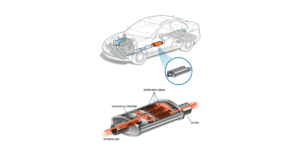 The short answer: A typical car muffler usually reaches between 300°F and 600°F (149°C–315°C), although under heavy loads, performance driving, or towing, temperatures can exceed 1,000°F (538°C).
That sounds extreme because it is. Your muffler deals with hot exhaust gases that come directly from the engine combustion process. Managing this heat is part of what keeps your car running safely and efficiently.
This guide explains everything you need to know about muffler temperatures, what affects them, safety concerns, warning signs, and how to choose the right exhaust components.
Average Car Muffler Temperature Comparison
| Driving Condition | Typical Muffler Temperature | Heat Level | Risk of Burns |
| Cold Start | 100–200°F | Low | Minimal |
| City Driving | 250–400°F | Moderate | High |
| Highway Driving | 400–600°F | Very Hot | Severe |
| Towing / Heavy Load | 600–900°F | Extremely Hot | Severe |
| Performance Driving | 800–1,200°F+ | Extreme | Immediate Burns |
The important thing to understand:
Your muffler temperature constantly changes depending on how your vehicle is being driven.
Why Does A Muffler Get So Hot?
A muffler becomes hot because it sits directly in the path of exhaust gases. When fuel burns inside the engine:
- Combustion creates heat
- Exhaust gases exitthe cylinders
- Hot gases travel through exhaust pipes
- Muffler processes sound waves
- Heat transfers into metal components
Exhaust gas temperatures leaving the engine can exceed:
1,200°F–1,600°F
Although temperatures decrease as gases travel rearward, substantial heat remains. Think of your muffler as a giant metal heat sink constantly absorbing hot airflow.
How Hot Different Parts Of The Exhaust System Get
Not all exhaust components run at the same temperature.
| Exhaust Component | Typical Temperature |
| Exhaust Manifold | 1,200–1,600°F |
| Catalytic Converter | 1,200–1,800°F |
| Mid-Pipe | 500–1,000°F |
| Muffler | 300–600°F |
| Exhaust Tip | 150–400°F |
This explains why catalytic converters are often significantly hotter than mufflers.
Factors That Affect Muffler Temperature
Several things influence how hot your muffler becomes.
1. Driving Style
Aggressive acceleration creates:
- More combustion
- Higher exhaust flow
- Increased temperatures
Hard driving equals hotter exhaust.
2. Engine Size
Larger engines generally produce:
- More exhaust volume
- Greater thermal output
- Higher average exhaust temperatures
A V8 often produces more heat than a small economy engine.
3. Outside Temperature
Summer weather raises operating temperatures. Hot ambient air reduces cooling efficiency.
4. Vehicle Load
Towing dramatically increases exhaust heat. Examples:
- Carrying cargo
- Pulling trailers
- Climbing hills
- Full passenger loads
All increase thermal stress.
5. Exhaust Restrictions
Blocked exhaust systems trap heat. Common causes:
- Clogged catalytic converter
- Internal muffler damage
- Bent exhaust pipes
Restricted flow creates excess temperature.
How Long Does A Muffler Stay Hot?
Many drivers assume exhaust components cool quickly.
They don’t.
Typical cooling times:
| Time After Driving | Approximate Temperature |
| Immediately After Stop | 400–600°F |
| 15 Minutes | 250–400°F |
| 30 Minutes | 150–300°F |
| 1 Hour | Near Safe Temperature |
Even after 30 minutes, touching the muffler can still cause burns.
Can A Muffler Start A Fire?
Yes.
Although uncommon, extremely hot mufflers can ignite:
- Dry grass
- Leaves
- Oil residue
- Plastic debris
This is why parking over dry vegetation can sometimes become dangerous. Most vehicle fires involving exhaust systems occur because hot components contact flammable materials.
Signs Your Muffler Is Running Too Hot
Normal heat is expected.
Excessive heat may indicate problems.
Watch for:
Burning Smells
Persistent odors can suggest overheating.
Glowing Exhaust Components
Visible red metal means temperatures are unusually high.
Reduced Performance
Restricted exhaust systems create heat buildup.
Strange Noises
Internal damage may alter airflow.
Discolored Metal
Blue or purple coloring can suggest prolonged overheating.
Muffler Materials And Heat Resistance
Different materials handle heat differently.
Aluminized Steel
Pros:
- Affordable
- Common
Cons:
- Lower corrosion resistance
Stainless Steel
Pros:
- Excellent durability
- Better heat tolerance
Cons:
- Higher cost
Titanium
Pros:
- Lightweight
- Handles heat well
Cons:
- Expensive
For most drivers, stainless steel provides the best balance.
Does A Performance Exhaust Run Hotter?
Usually yes. Performance exhaust systems often:
- Flow more air
- Reduce restriction
- Increase exhaust volume
This can increase measured temperatures in some sections.
However:
Better airflow can sometimes reduce localized hot spots.
Muffler Temperature And Fuel Efficiency
Heat affects efficiency. Proper exhaust temperatures help:
- Improve combustion efficiency
- Reduce emissions
- Optimize airflow
Too much heat or restriction can hurt fuel economy.
Buyer’s Guide: Choosing A Muffler
If you’re shopping for a replacement or upgrade, consider these factors.
Material Quality
Choose corrosion-resistant materials. Stainless steel generally lasts longer.
Driving Style
Daily commuting:
- Standard mufflers work well
Performance use:
- High-flow designs may help
Noise Preference
Some drivers prefer:
- Quiet comfort
Others want:
- Aggressive sound
Choose accordingly.
Climate
Wet climates accelerate rust.
Premium materials become more important.
Budget
Cheap mufflers may save money upfront.
Higher quality options often last significantly longer.
Common Muffler Temperature Myths
Myth 1: Mufflers Should Never Be Too Hot To Touch
False.
They almost always become too hot to touch.
Myth 2: Smoke Always Means Problems
False.
Condensation can create temporary vapor.
Myth 3: Bigger Exhaust Means Cooler Temperatures
Not always.
Many variables affect heat.
Myth 4: Exhaust Tips Stay Cool
False.
Even tips can cause burns.
Safety Tips Around Hot Mufflers
Always remember:
Avoid Touching Immediately After Driving
Seems obvious, but many burns happen here.
Keep Children Away
Curiosity plus hot metal creates accidents.
Watch Where You Park
Avoid:
- Dry grass
- Leaves
- Debris piles
Inspect Heat Shields
Missing shields increase the risk.
My Experience With Muffler Heat
One thing I learned over the years of driving:
- People underestimate exhaust heat.
- Many assume only the engine gets dangerously hot.
- The exhaust system quietly stores enormous amounts of heat long after the drive ends.
- Checking underneath immediately after driving is rarely a good idea.
Read More: How Do You Check The Oil On A Car
FAQs: How Hot Does A Car Muffler Get
How hot does a muffler get after highway driving?
Typically between 400°F and 600°F.
Can touching a muffler burn skin?
Yes.
Even brief contact can cause severe burns.
How long before a muffler cools down?
Usually 30–60 minutes depending on conditions.
Why is my muffler glowing red?
This may indicate:
- Restricted exhaust
- Rich fuel mixture
- Heavy load
- Engine issues
Does idling make the muffler hot?
Yes.
Although slower than driving, idling still produces heat.
Can rain cool a hot muffler?
Rain may cool external surfaces temporarily, but internal components remain hot.
Are diesel mufflers hotter than gasoline mufflers?
Not always.
Temperatures depend heavily on load and design.
Is exhaust heat dangerous?
It can be.
Hot exhaust components create burn and fire hazards if not respected.
Should exhaust tips feel hot?
Yes.
Warm or hot exhaust tips are normal.
Can overheating damage a muffler?
Yes.
Repeated excessive heat can accelerate wear, cracking, and corrosion.
Final Verdict
So, how hot does a car muffler get?
For most vehicles:
300°F–600°F is normal.
Heavy loads, towing, aggressive driving, and performance use can push temperatures dramatically higher.
The most important takeaway:
Treat your muffler like a hot appliance every time you drive. Doing so prevents burns, avoids fire risks, and keeps maintenance safer.