If you’ve ever looked under the hood of an older car and noticed a metal component sitting on top of the engine with fuel lines attached, chances are you were looking at a carburetor.
A car carburetor is one of those mechanical parts that feels almost magical when you first understand what it actually does. Simply put, a carburetor mixes air and fuel in the proper ratio before delivering the mixture to the engine for combustion.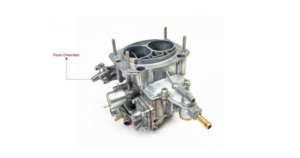 Before fuel injection systems became standard, carburetors were the heart of nearly every gasoline-powered vehicle.
After spending years around older vehicles, project cars, motorcycles, and small engines, one thing becomes obvious quickly: carburetors are both brilliantly simple and occasionally frustrating.
This guide explains everything from how carburetors work to whether buying a carbureted vehicle still makes sense today.
What Does A Carburetor Actually Do?
A carburetor performs one primary job: Mix fuel and air correctly so the engine runs properly. The engine requires:
- Fuel
- Air
- Spark
The carburetor handles the fuel and air portion.
Too much fuel?
The engine runs rich.
Too little fuel?
The engine runs lean.
A properly adjusted carburetor creates the correct mixture across different speeds and conditions.
How A Carburetor Works
The process is surprisingly straightforward.
Step 1: Air Enters
Fresh air enters through the intake.
Step 2: Air Speed Increases
The air passes through a narrow section called a venturi. As airflow speeds up:
- Pressure decreases
- Fuel gets pulled into the airflow
Step 3: Fuel Mixes With Air
The fuel combines with incoming air.
Step 4: Mixture Enters Engine
- The engine burns the mixture.
- This cycle repeats continuously.
- Think of it as a highly precise mechanical mixing machine.
Carburetor Components Explained
| Component | Purpose | Why It Matters |
| Venturi | Speeds airflow | Creates suction |
| Float Bowl | Stores fuel | Maintains supply |
| Jets | Controls fuel flow | Affects performance |
| Throttle Plate | Controls airflow | Determines speed |
| Choke | Restricts airflow | Helps with cold starts |
| Idle Circuit | Supports low RPM | Prevents stalling |
Carburetor vs Fuel Injection Comparison
| Feature | Carburetor | Fuel Injection |
| Complexity | Simple mechanical design | Electronic system |
| Fuel Efficiency | Lower | Higher |
| Maintenance | More frequent | Less frequent |
| Repairs | Usually cheaper | Often expensive |
| Cold Starts | Sometimes difficult | Easier |
| Tuning | Manual | Automatic |
| Performance Consistency | Variable | More consistent |
Fuel injection wins most modern comparisons. However, carburetors still offer advantages for simplicity and ease of repair.
Types Of Carburetors
Single Barrel Carburetor
Simple design. Usually found on:
- Economy cars
- Small engines
- Older vehicles
Two Barrel Carburetor
Offers better airflow. Common for:
- Mid-sized engines
- Light trucks
Four Barrel Carburetor
More performance-oriented. Often used for:
- Muscle cars
- High-performance engines
Variable Venturi Carburetor
Adjusts airflow dynamically. Provides improved efficiency.
Signs Your Carburetor Is Having Problems
Carburetors eventually need maintenance. Common symptoms include:
Poor Fuel Economy
Excess fuel consumption often indicates mixture issues.
Rough Idle
The engine shakes or stalls.
Hard Starting
Cold starts become difficult.
Black Smoke
Too much fuel is entering the engine.
Hesitation During Acceleration
Delayed throttle response.
Fuel Leaks
Old seals and gaskets fail.
My Personal Experience With Carburetors
- Working on carburetors can be incredibly satisfying.
- You make a small adjustment.
- The engine immediately responds.
- That mechanical feedback is something modern electronic systems rarely provide.
However:
- Carburetors demand patience.
- Humidity changes.
- Temperature changes.
- Altitude changes.
- Even fuel quality affects tuning.
For hobby vehicles?
They’re fun.
For daily commuting?
Fuel injection is easier.
Why Older Cars Used Carburetors
Several reasons:
Lower Manufacturing Cost
Carburetors were cheaper.
Simpler Technology
Fewer electronics.
Easier Repairs
Mechanics understood them well.
Limited Computer Systems
Electronic engine management wasn’t common.
As emissions regulations increased, fuel injection gradually replaced carburetors.
Are Carburetors Still Used Today?
Yes.
You can still find carburetors in:
- Lawn equipment
- Motorcycles
- Small engines
- Generators
- Some racing applications
- Classic cars
Modern passenger vehicles rarely use them.
Advantages Of Carburetors
Easy To Understand
Mechanical systems are straightforward.
Lower Initial Cost
Often cheaper than advanced injection systems.
Simpler Repairs
Many repairs require basic tools.
Popular For Custom Builds
Performance tuning remains attractive.
Disadvantages Of Carburetors
Lower Efficiency
More fuel consumption.
Frequent Maintenance
Adjustments become necessary.
Cold Weather Issues
Harder starts.
Emissions Problems
Less environmentally friendly.
Carburetor Maintenance Tips
Keeping a carburetor healthy is not difficult.
Clean Fuel System
Dirty fuel creates problems.
Replace Fuel Filters
Cheap preventative maintenance.
Adjust Idle Correctly
Prevents stalling.
Check Gaskets
Vacuum leaks cause problems.
Use Fresh Fuel
Old gasoline creates deposits.
Buyer’s Guide: Should You Buy A Carbureted Vehicle?
Buying carbureted vehicles depends entirely on your goals.
Buy A Carbureted Vehicle If:
✓ You enjoy mechanical work
✓ You want a project car
✓ You appreciate classic vehicles
✓ You prefer simple systems
Avoid Carbureted Vehicles If:
✗ You want daily reliability
✗ You dislike maintenance
✗ You prefer maximum efficiency
✗ You want modern convenience
What To Look For When Buying Carburetor Parts
Compatibility
Always verify engine fitment.
Material Quality
Cheap castings create problems.
Rebuild Support
Ensure replacement parts exist.
Tuning Availability
Popular models are easier to adjust.
Brand Reputation
Well-known manufacturers generally offer better consistency.
Common Carburetor Myths
“Carburetors Produce More Power”
Not necessarily.
Modern fuel injection often outperforms carburetors.
“Carburetors Are Always Cheaper”
Maintenance costs add up.
“Anyone Can Tune One Easily”
Proper tuning requires knowledge.
Can you convert a carburetor to fuel injection?
Yes.
However:
- Conversion cost may be high
- Installation complexity increases
- Electronics become necessary
Many enthusiasts keep carburetors for originality.
Why Enthusiasts Still Love Carburetors
- Carburetors create a direct connection.
- You adjust screws.
- You hear engine changes instantly.
- You learn how engines actually work.
- That mechanical relationship keeps carburetors alive.
Read More: What Do Car Bushings Look Like
FAQs: What Is A Car Carburetor
What is the purpose of a carburetor?
Its purpose is to mix fuel and air before combustion.
Do modern cars use carburetors?
Most modern passenger cars do not.
Are carburetors better than fuel injection?
Usually no for daily driving.
Sometimes, yes, for simplicity and customization.
How long does a carburetor last?
Properly maintained carburetors can last decades.
Why are carburetors removed from modern cars?
Fuel efficiency, emissions requirements, and reliability.
Can you clean a carburetor without removing it?
- Minor cleaning is possible.
- Deep cleaning usually requires removal.
How much does carburetor repair cost?
- Costs vary greatly depending on complexity.
- Simple rebuilds can be inexpensive.
What causes carburetors to fail?
Common causes include:
- Dirt
- Old fuel
- Worn gaskets
- Improper tuning
Are carburetors hard to learn?
- Basic concepts are easy.
- Advanced tuning takes practice.
Is buying a carbureted car worth it?
- It depends.
- For enthusiasts: often yes.
- For convenience: usually no.
Final Thoughts
A carburetor is fundamentally an air-and-fuel mixing device.
Simple concept.
Complicated execution.
While modern vehicles moved toward electronic fuel injection for good reasons, carburetors remain important for enthusiasts, restorers, and mechanics.
Understanding carburetors also makes understanding engines easier. And for many car enthusiasts, that knowledge alone makes them worth learning.