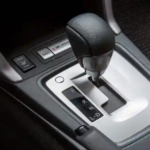
If you have ever driven a car or even sat in the passenger seat you have probably noticed a lever, knob, or selector near the center console. That component is called the car shifter, also known as the gear shifter, gear selector, or shift lever.
The shifter is one of the most important controls in any vehicle because it allows the driver to change gears. Whether you drive an automatic, manual, or modern electronic transmission vehicle, the shifter helps control how power from the engine reaches the wheels.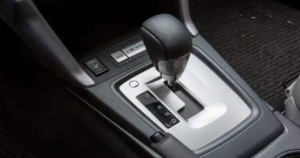 At first glance, it might seem like a simple stick or lever. But modern car shifters have evolved into advanced systems that improve comfort, fuel economy, performance, and driving experience.
In this detailed guide, we will explore:
- What a shifter is
- How a car shifter works
- Different types of gear shifters
- Manual vs automatic shifters
- Electronic and paddle shifters
- Common shifter problems
- Maintenance tips
- Buyer’s guide
- FAQs
- Real-world driving impressions
Whether you are a beginner driver, car enthusiast, or simply curious about automotive technology, this guide will explain everything in simple language.
What Does A Shifter Do In A Car?
A shifter allows the driver to select different transmission gears. These gears determine:
- Vehicle speed
- Engine RPM
- Fuel efficiency
- Acceleration
- Driving performance
The transmission changes the relationship between the engine and wheels. The shifter is the driver’s way of communicating with the transmission. Without a shifter, the vehicle cannot properly engage gears.
Basic Function Of A Car Shifter
Here’s a simple breakdown:
| Shifter Action | What Happens |
| Park (P) | Locks transmission |
| Reverse (R) | Moves vehicle backward |
| Neutral (N) | Disconnects engine from wheels |
| Drive (D) | Moves vehicle forward automatically |
| Manual Gear Selection | Driver controls gear changes |
In manual vehicles, the driver physically selects gears like:
- 1st gear
- 2nd gear
- 3rd gear
- 4th gear
- 5th gear
- Reverse
In automatic cars, the transmission shifts gears automatically after selecting Drive.
How Does A Car Shifter Work?
The shifter connects to the transmission through either:
- Mechanical linkage
- Shift cables
- Electronic systems
- Hydraulic systems
When you move the shifter, it tells the transmission which gear to engage.
Manual Transmission Operation
In manual cars:
- Driver presses clutch pedal
- Gear shifter moves into selected gear
- Transmission synchronizers engage
- Engine power transfers through chosen gear ratio
This process gives drivers direct control over engine performance.
Automatic Transmission Operation
In automatic vehicles:
- Driver selects gear mode
- Transmission control module receives command
- Hydraulic pressure engages gear sets
- Vehicle shifts automatically during driving
Modern automatic systems are highly computerized.
Main Types Of Car Shifters
There are several different types of shifters used in modern vehicles.
1. Manual Stick Shifter
The classic stick shift is common in sports cars and older vehicles.
Features
- Requires clutch pedal
- Driver changes gears manually
- Usually H-pattern layout
Advantages
- More driving engagement
- Better control
- Lower maintenance cost
- Often more fuel efficient
Disadvantages
- Harder for beginners
- Requires practice
- More tiring in traffic
2. Automatic Gear Selector
This is the most common shifter type today.
Features
- PRND layout
- No clutch pedal
- Transmission shifts automatically
Advantages
- Easy to drive
- Comfortable in traffic
- Beginner-friendly
Disadvantages
- Less driver involvement
- More complex repairs
- Slightly reduced control
3. Electronic Shifter (Shift-By-Wire)
Modern luxury and electric vehicles often use electronic shifters. Instead of physical cables, electronic signals control the transmission.
Features
- Compact design
- Buttons or small toggles
- Computer-controlled shifting
Advantages
- Saves cabin space
- Modern appearance
- Smooth operation
Disadvantages
- Expensive repairs
- Electronic failures possible
4. Paddle Shifters
Paddle shifters are mounted behind the steering wheel. Drivers can manually change gears without removing hands from the wheel.
Common In
- Sports cars
- Performance sedans
- Luxury vehicles
Advantages
- Faster shifting
- Sportier driving feel
- Improved control
Disadvantages
- Not necessary for casual drivers
- Repairs can be costly
5. Rotary Dial Shifters
Some modern cars use rotary knobs instead of traditional levers. Examples include luxury SUVs and newer sedans.
Advantages
- Minimalist design
- Easy cabin integration
- Saves space
Disadvantages
- Less tactile feedback
- Some drivers dislike them
Comparison Table: Types Of Car Shifters
| Shifter Type | Ease Of Use | Performance Feel | Maintenance Cost | Best For |
| Manual Stick | Medium | Excellent | Low | Enthusiasts |
| Automatic Lever | Excellent | Good | Medium | Everyday driving |
| Paddle Shifter | Good | Excellent | High | Sports driving |
| Electronic Shifter | Excellent | Good | High | Modern vehicles |
| Rotary Dial | Excellent | Average | Medium | Luxury cars |
Why Is The Shifter Important?
The shifter directly affects:
- Driving comfort
- Safety
- Fuel economy
- Vehicle control
- Driving enjoyment
A poorly functioning shifter can create serious transmission problems.
Signs Of A Bad Car Shifter
Over time, shifters can wear out or malfunction. Here are common symptoms.
1. Difficulty Changing Gears
If the shifter feels stiff or stuck, it may indicate:
- Worn linkage
- Low transmission fluid
- Damaged cables
- Internal transmission issues
2. Loose Shifter Feel
A sloppy or loose shifter often means:
- Worn bushings
- Linkage damage
- Cable wear
3. Grinding Noise
Grinding while shifting usually occurs in manual transmissions. Possible causes include:
- Bad synchronizers
- Clutch problems
- Improper shifting
4. Shifter Won’t Move
This can happen because of:
- Shift lock failure
- Brake switch problems
- Transmission damage
5. Incorrect Gear Display
Electronic shifters may show wrong gear positions due to sensor failure.
Manual Vs Automatic Shifters
Choosing between manual and automatic depends on driving style.
| Feature | Manual Shifter | Automatic Shifter |
| Driver Control | High | Moderate |
| Ease Of Use | Lower | Higher |
| Learning Curve | Steep | Easy |
| Fuel Economy | Often better | Good |
| Traffic Comfort | Poor | Excellent |
| Repair Complexity | Lower | Higher |
| Fun Factor | High | Moderate |
My Personal Driving Experience With Different Shifters
After driving everything from older manual hatchbacks to modern electronic SUVs, I can confidently say the type of shifter dramatically changes the driving experience.
Manual stick shifters feel more connected and engaging. There’s something satisfying about timing the clutch perfectly and shifting through gears on an open road.
Automatic shifters, however, are unbeatable in heavy traffic. They reduce fatigue and make daily commuting far more comfortable.
Electronic shifters initially felt strange to me because they lack the mechanical feel of traditional gear selectors. But after a few weeks, the cleaner cabin design and effortless operation became appealing.
Paddle shifters are incredibly fun on winding roads. They provide quick control without the hassle of a clutch pedal.
In everyday life, most drivers will probably prefer automatics. But enthusiasts still love manuals for the driving involvement.
How Modern Electronic Shifters Changed Cars
The automotive industry is rapidly moving toward electronic systems. Modern electronic shifters offer:
- Better interior packaging
- Advanced safety integration
- Autonomous driving compatibility
- Cleaner dashboard layouts
Electric vehicles especially benefit from simplified gear selection systems. Many EVs only need:
- Drive
- Reverse
- Neutral
- Park
This reduces complexity dramatically.
Common Car Shifter Problems
Let’s examine the most common issues in greater detail.
Broken Shift Linkage
The linkage connects the shifter to the transmission. Symptoms include:
- Wrong gear selection
- Loose shifter
- Inability to shift
Repair costs vary widely depending on vehicle type.
Worn Bushings
Bushings cushion movement inside the shifter assembly. Worn bushings cause:
- Excessive play
- Vibration
- Poor shifting precision
Fortunately, they are usually inexpensive to replace.
Shift Cable Failure
Shift cables stretch and wear over time. Symptoms:
- Delayed gear engagement
- Hard shifting
- Stuck shifter
Electronic Shifter Failure
Modern systems may experience:
- Software glitches
- Sensor failure
- Electrical faults
Repairs often require diagnostic tools.
Shifter Maintenance Tips
Proper maintenance extends transmission life.
1. Check Transmission Fluid
Low fluid causes poor shifting performance. Always use manufacturer-approved fluid.
2. Avoid Aggressive Shifting
Slamming gears increases wear. Smooth shifts prolong component lifespan.
3. Replace Worn Bushings Early
Ignoring small looseness can create larger transmission issues later.
4. Keep Interior Clean
Dirt and spills around the shifter can damage electronic systems.
5. Use Parking Brake Properly
This reduces stress on the transmission parking pawl.
Performance Shifters Explained
Car enthusiasts often upgrade to performance shifters. These improve:
- Shift precision
- Shift speed
- Driver feel
Popular upgrades include:
- Short throw shifters
- Weighted shift knobs
- Performance bushings
What Is A Short Throw Shifter?
A short throw shifter reduces the distance needed between gear changes.
Benefits
- Faster shifting
- Sportier feel
- Improved accuracy
Downsides
- Increased effort
- Possible vibration
Performance drivers love them.
Are Electronic Shifters Better?
Electronic shifters offer several advantages:
- Space efficiency
- Better integration
- Advanced safety features
But traditional mechanical shifters still provide superior tactile feedback. For enthusiasts, mechanical systems often feel more satisfying.
Best Shifter Type For Different Drivers
| Driver Type | Best Shifter |
| Beginner | Automatic |
| Enthusiast | Manual |
| Performance Driver | Paddle Shifter |
| Luxury Buyer | Electronic Shifter |
| Daily Commuter | Automatic |
| EV Owner | Electronic Selector |
Buyer’s Guide: Choosing The Right Car Shifter
When buying a vehicle, the shifter type matters more than many people realize. Here’s what to consider.
1. Driving Style
Think about how you drive.
Best Choices
- City commuting → Automatic
- Highway touring → Automatic or paddle
- Enthusiast driving → Manual
- Luxury comfort → Electronic
2. Traffic Conditions
Heavy traffic makes manual shifting tiring. Automatic transmissions excel in stop-and-go driving.
3. Maintenance Budget
Manual systems are generally cheaper to repair. Electronic systems can become expensive after warranty expiration.
4. Vehicle Purpose
Different vehicles benefit from different shifters.
| Vehicle Type | Recommended Shifter |
| Sports Car | Manual or paddle |
| SUV | Automatic |
| Luxury Sedan | Electronic |
| Economy Car | Automatic |
| Electric Vehicle | Electronic |
5. Long-Term Reliability
Traditional mechanical systems often last longer. Electronic systems offer convenience but add complexity.
6. Learning Curve
New drivers usually adapt faster to automatic transmissions. Manual driving requires coordination and practice.
Are Manual Shifters Disappearing?
Yes, manuals are becoming less common globally. Reasons include:
- Improved automatics
- Better fuel efficiency
- Easier driving experience
- EV growth
However, manual transmissions remain popular among enthusiasts.
How Electric Cars Use Shifters
Electric vehicles simplify gear selection. Most EVs use:
- Drive
- Reverse
- Park
No traditional multi-gear shifting is required because electric motors provide instant torque. This is why EV shifters often look very minimalistic.
Safety Features Connected To Shifters
Modern vehicles integrate shifters with safety systems. Examples include:
- Shift lock systems
- Brake-to-shift interlocks
- Automatic park engagement
- Hill assist control
These technologies improve driver safety significantly.
Future Of Car Shifters
The future of shifters is evolving rapidly. Upcoming trends include:
- Fully electronic controls
- Voice-activated gear selection
- Autonomous driving integration
- Minimalist interiors
Some concept vehicles are removing traditional shifters entirely.
Read More: How To Read an Engine Oil Dipstick
FAQs: What Is A Shifter In A Car
What is the purpose of a shifter in a car?
The shifter allows the driver to select gears in the transmission, controlling vehicle movement and speed.
Is a shifter the same as a gear stick?
Yes. Terms like gear stick, gear selector, and shifter often refer to the same component.
Why do manual cars have more gears?
Manual cars allow drivers to manually select different gear ratios for performance, efficiency, and control.
Can a bad shifter damage the transmission?
Yes. Ignoring shifter issues can lead to transmission wear and expensive repairs.
What causes a shifter to become loose?
Common causes include worn bushings, damaged linkage, or stretched shift cables.
Are electronic shifters reliable?
Most modern electronic shifters are reliable, but repairs can be costly if sensors or modules fail.
What is a short throw shifter?
A short throw shifter reduces the movement distance between gear changes for faster shifting.
Which is better: manual or automatic?
It depends on preference. Manuals offer more control, while automatics provide convenience.
Do electric cars use shifters?
Yes, but EV shifters are simpler because electric motors do not require traditional multi-speed gearboxes.
Can you replace a car shifter yourself?
Some shifter repairs are DIY-friendly, but electronic systems often require professional service.
How long does a car shifter last?
Most shifters last the lifetime of the vehicle with proper maintenance.
What happens if the shifter gets stuck in park?
Possible causes include brake switch failure, shift lock issues, or transmission problems.
Conclusion
Understanding what a shifter in a car does helps drivers better appreciate how vehicles operate. From classic manual stick shifts to futuristic electronic selectors, shifters have evolved dramatically over the years.
Choosing the right shifter depends on your driving habits, comfort preferences, budget, and desired driving experience.
No matter which type you prefer, a well-functioning shifter is essential for smooth, safe, and enjoyable driving.